 Bestseller
Boston
Boston Whale Watching With The New England Aquarium
Free cancellation3.5 hrs
from $86
Check availabilityEvery whale watching tour we track, across 13 destinations. Compare them by country, price, boat type, duration, rating and cancellation, then book through Headout.
Bestseller Bestseller
 Bestseller
 Bestseller
 Bestseller
 Bestseller
 Bestseller
 Bestseller



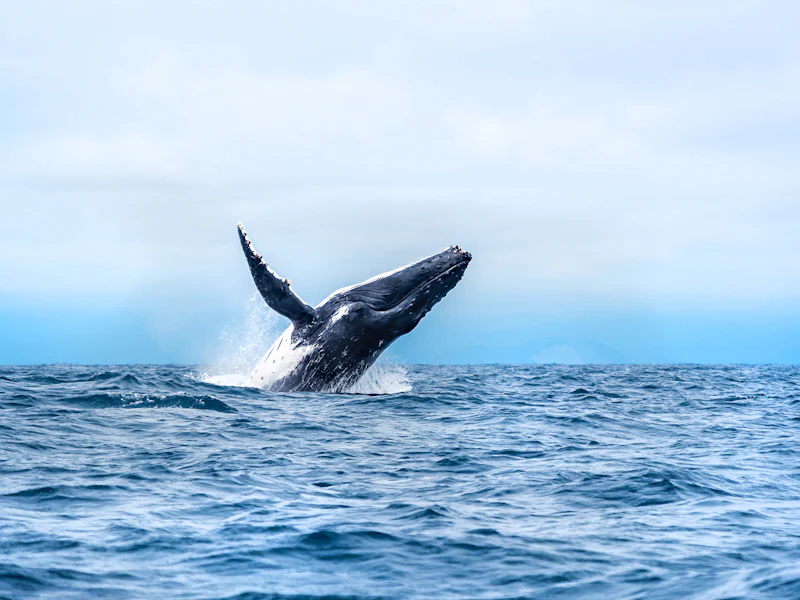
 New
 New
 New
 New
 New
 New
 New
 New
 New
 New
 New
 New
 New
 New
 New
 New
 New
 New
 New
 New
 New
 New
 New
 New
 New
 New
Whale watching tours range from a $15 harbor cruise you can join on a whim to an $872 private charter booked weeks ahead, and the gap between them comes down to boat type, group size, distance from shore and how much of the day you are willing to give up for a better shot at a close encounter with marine mammals in their natural habitat. The grid above holds 106 bookable trips across nine countries, which you can filter and sort to compare side by side.
Each listing shows price, boat, duration, rating and cancellation policy. Some travelers just want the cheapest way onto the water; others are choosing a single splurge activity for a big trip and want the best boat, the best guide and the best odds money can buy. The sections below cover both: typical prices worldwide, the boat types that shape the day more than the destination does, what is usually included, which whales show up when, how to read a rating, and why free cancellation is worth clicking. If you have not settled on a destination, our whale watching destinations guide compares countries side by side, and our homepage is the fastest way back to the full worldwide picture.
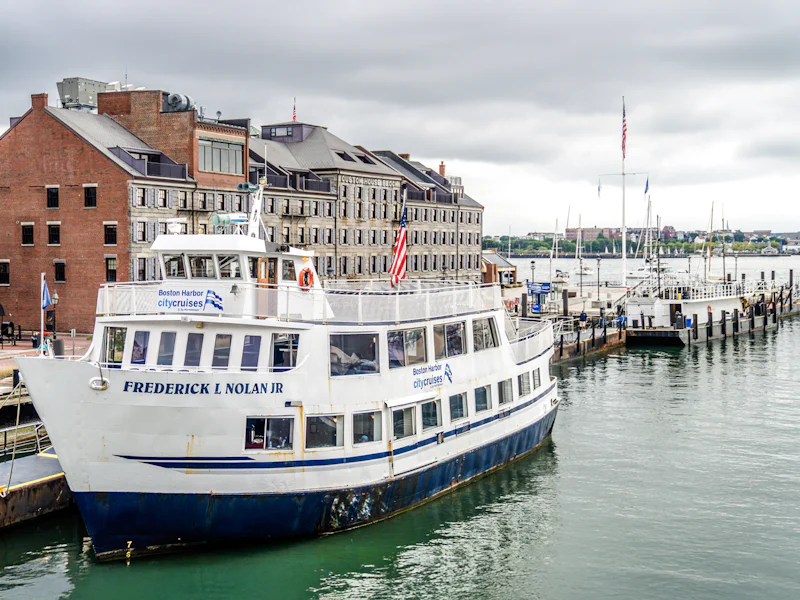
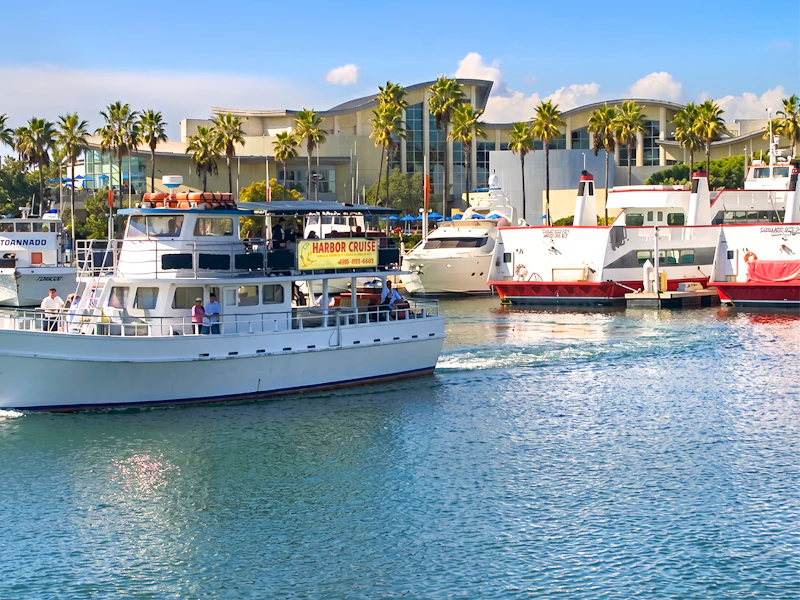
At the budget end, a handful of destinations run cheap harbor cruises. In California, the Los Angeles Harbor Sightseeing Cruise runs from about $15 for under an hour on the water, and San Diego's harbor cruise starts from about $38. These are short, no-frills sightseeing cruises that happen to pass through whale territory, a fine way to test the water before committing to a longer tour. Boston sits in a similar band, with a historic harbor cruise from about $46 and the New England Aquarium's whale watch from about $86.
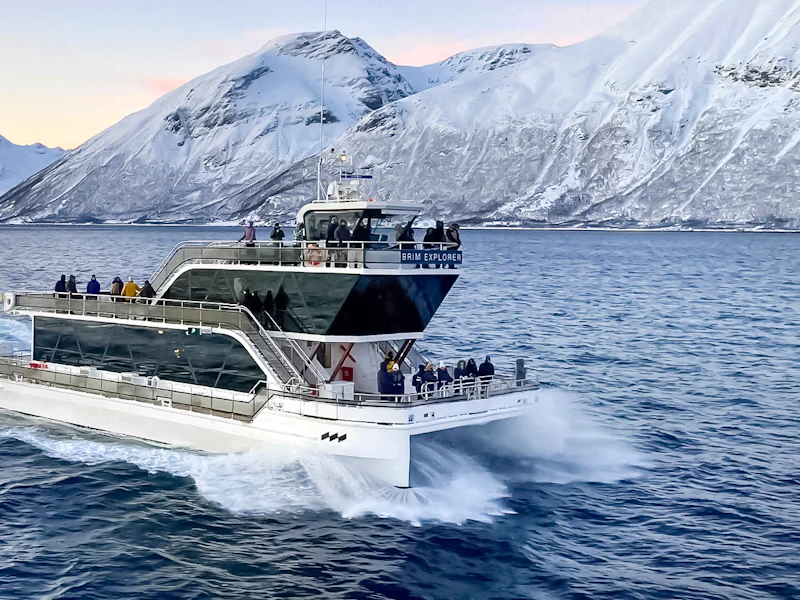
The core of the market, where most travelers end up booking, is a half-day trip in the $75 to $200 range. Iceland's classic boats run from about $87 in Husavik to around $120 in Reykjavik and Akureyri, Hawaii's catamaran tours sit between $82 and $121, the Azores come in tightly around $76 to $128, and Canada's Vancouver and Victoria trips run $148 to $194. Norway is the outlier on price because its tours are longer: a winter orca and humpback cruise from Tromso typically runs $139 to $269 for three and a half to twelve hours, reflecting the extra travel time to reach the fjords.
At the premium end are full-day trips and private charters. A private Hermanus whale watching and wine tasting day trip from Cape Town runs from about $275 for ten hours. A guided kayak whale watching trip in Juneau, Alaska, with six hours on the water, starts from about $471. Private sailing charters in the Canary Islands can run well past $600, into the $800s, for a boat to yourself. They are outliers, priced for travelers who want a private, unhurried, all-day version of the same trip. Our best time to go guide is worth checking first, since the season you travel in affects both price and how many boats are running.
Two tours at the same price, in the same bay, can feel completely different depending on the boat, and this matters more than most first-time bookers expect.
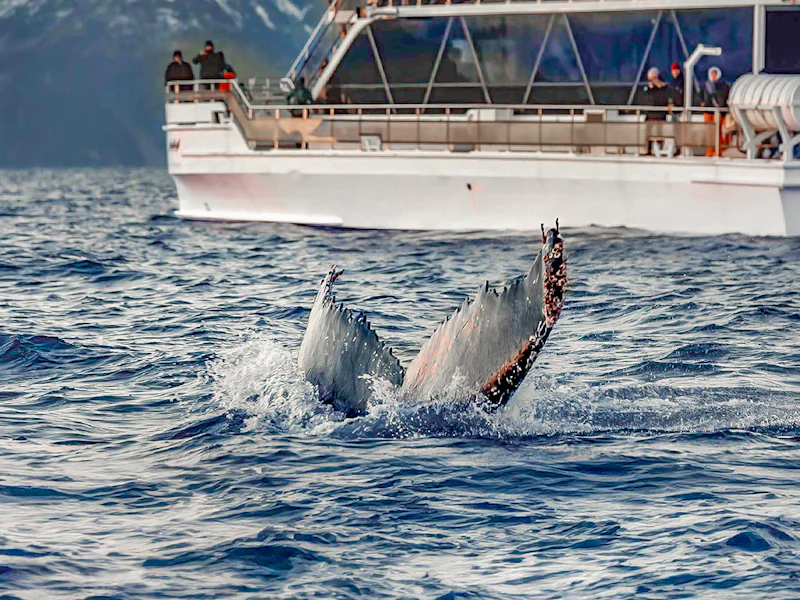
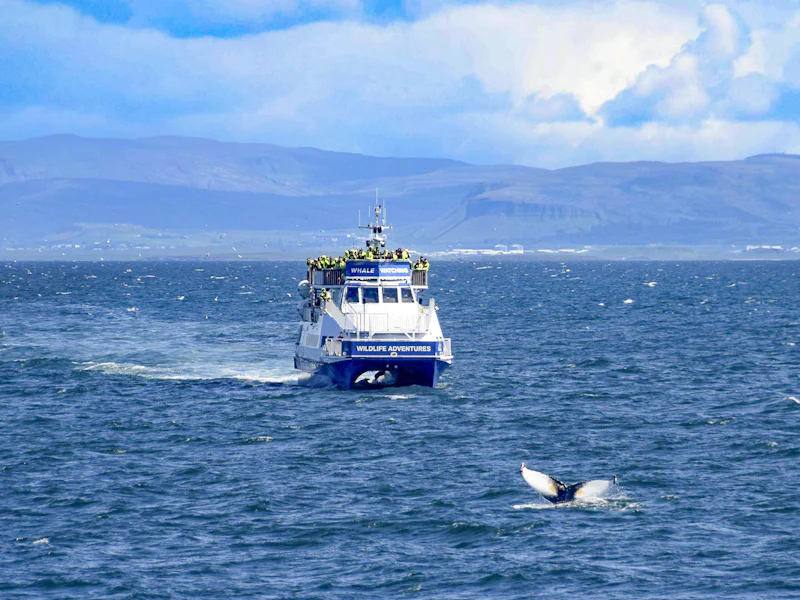
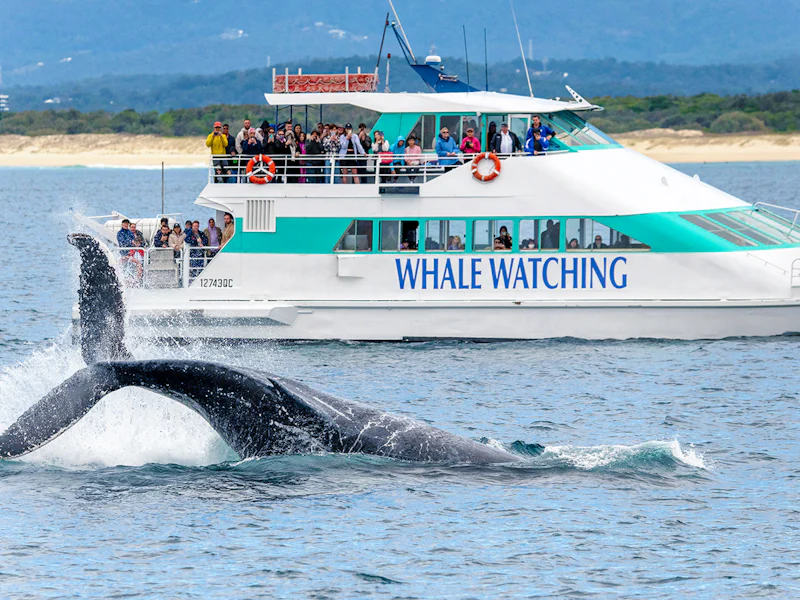
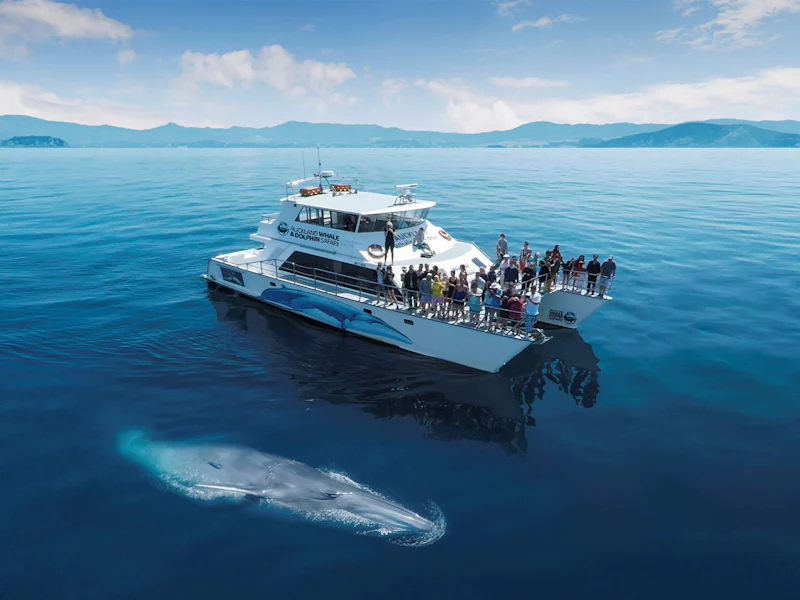
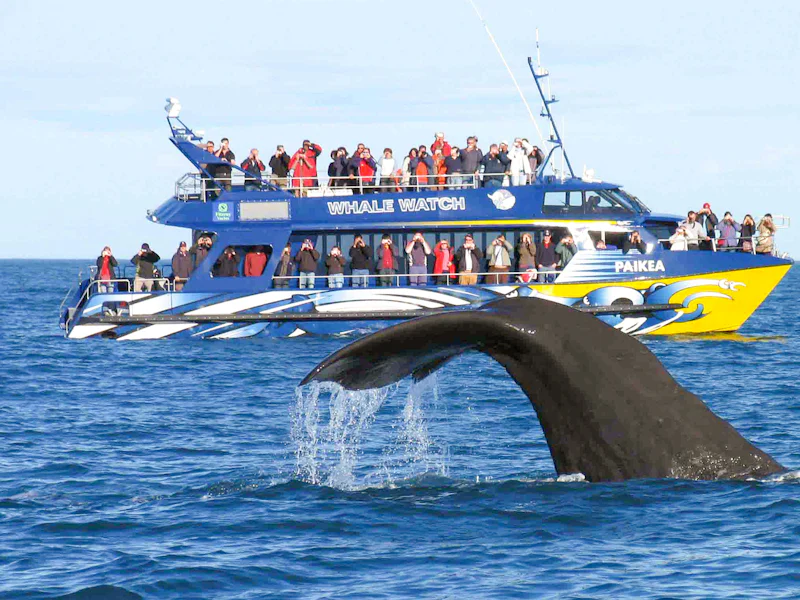
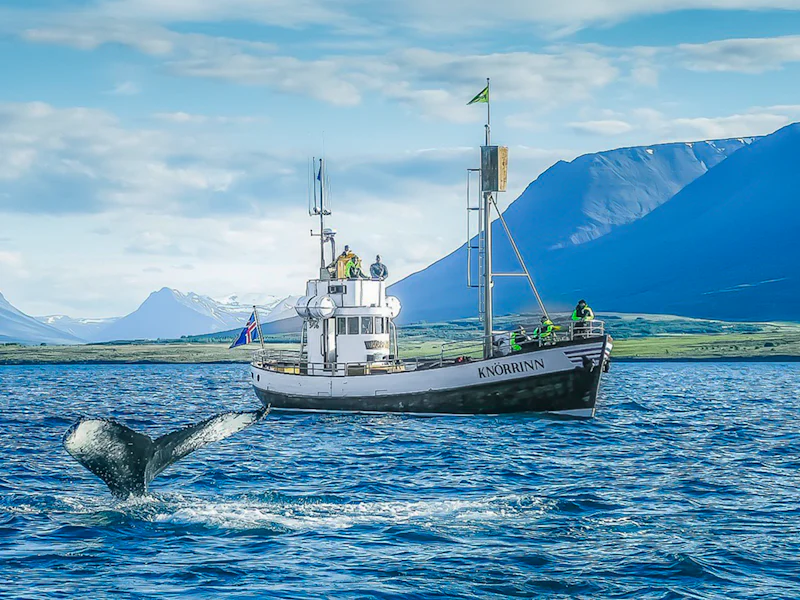
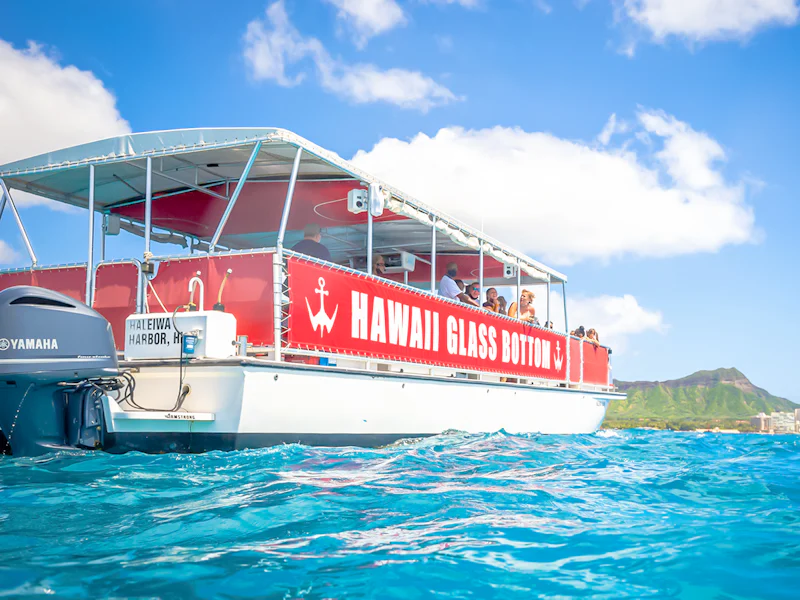
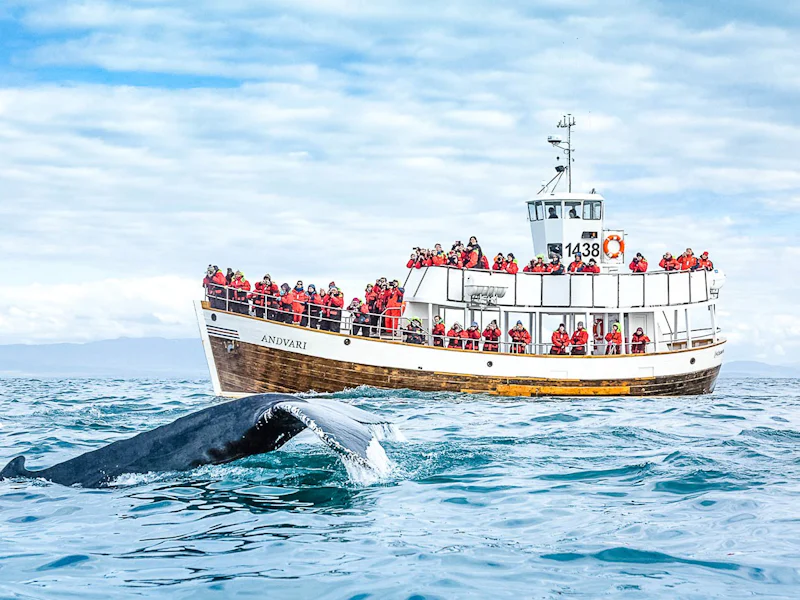
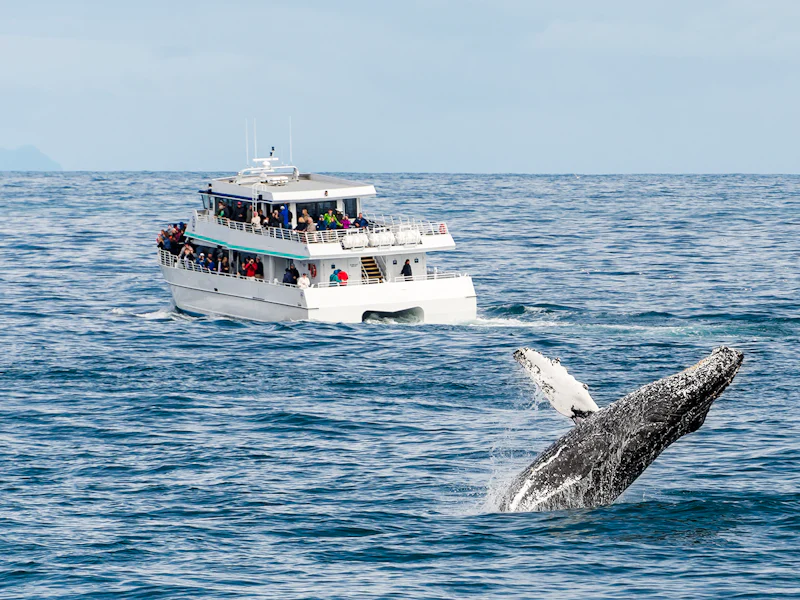
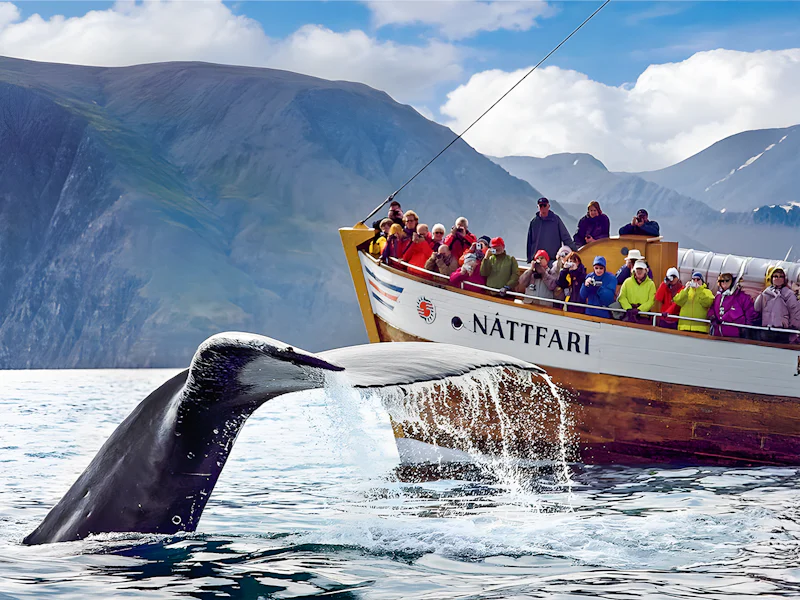
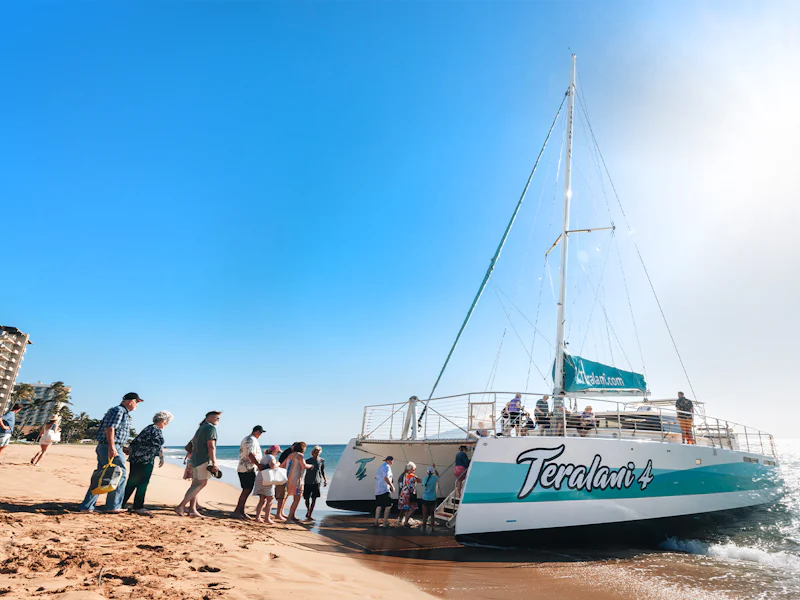
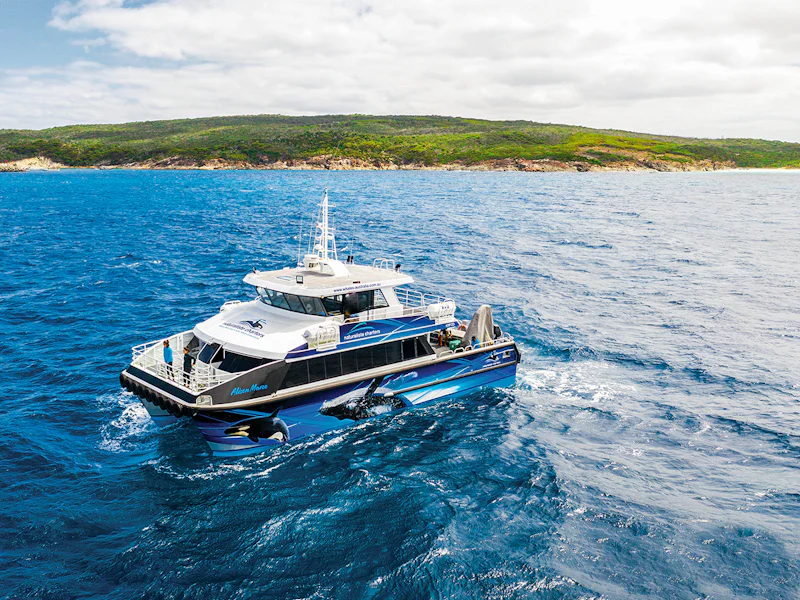
The stable, roomy default, usually 2.5 to 4 hours, with an indoor cabin, seating and a toilet on board, none of which a Zodiac-style boat gives you. Iceland's classic ships run this format from about $87 to $130 across Husavik, Akureyri and Reykjavik, and Hawaii's catamarans sit in the $82 to $121 range. Best for families, older travelers, anyone prone to seasickness, and photographers who want a steady deck for a long lens. You give up a little closeness to the whales for a lot of comfort, and morning departures usually get the calmest water.
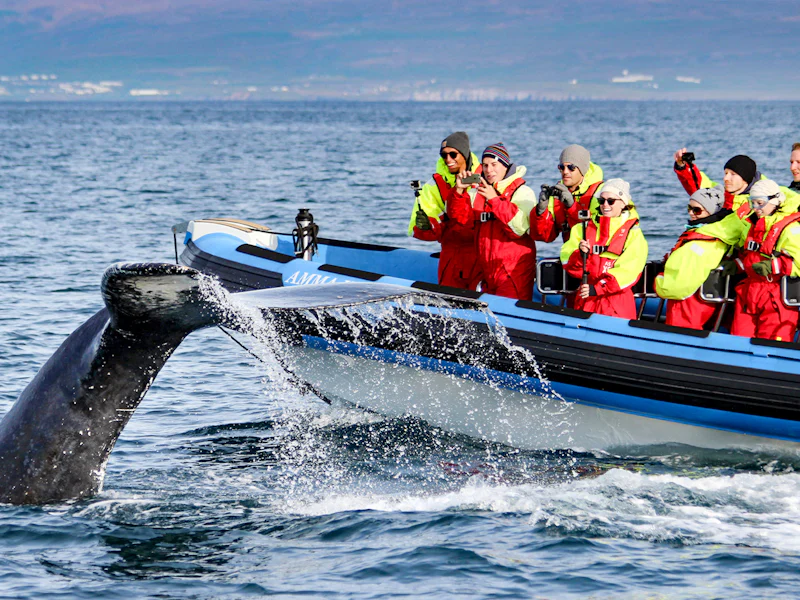
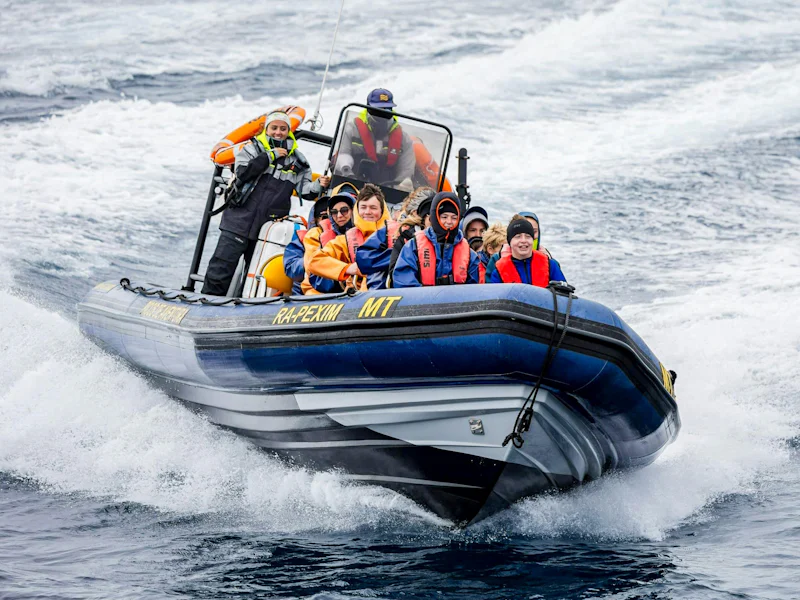
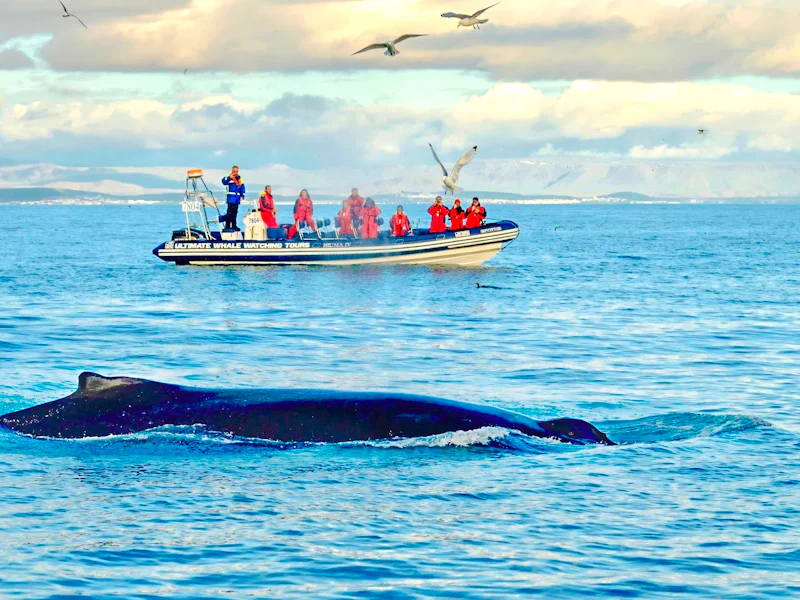
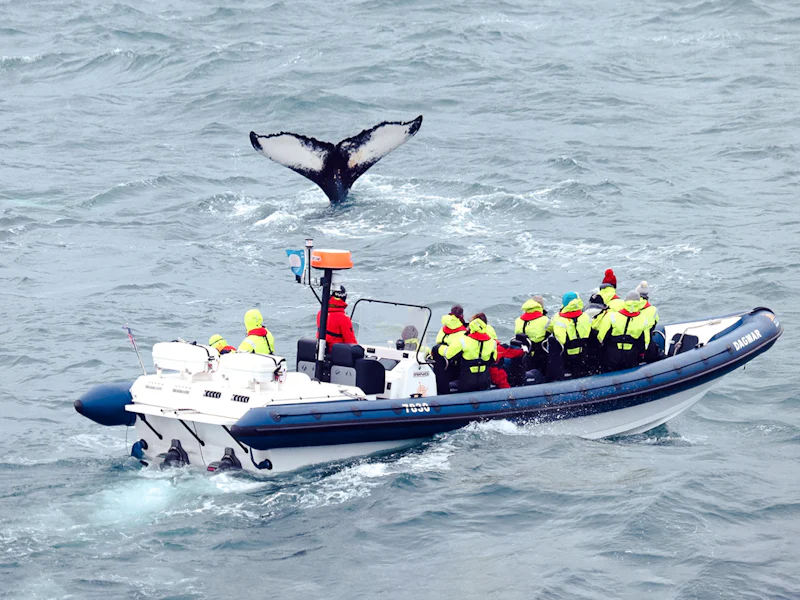
Small, fast, inflatable-hulled boats that sit low in the water and get closer, faster. Iceland's RIB tours run about $173 to $206 for two hours, and Norway runs a twelve-hour RIB expedition from about $331 to reach whale grounds further from Tromso. Thrilling and immediate, but you feel every wave, you will get wet, and most operators set a minimum age or discourage very young children. Take motion sickness tablets before you board.
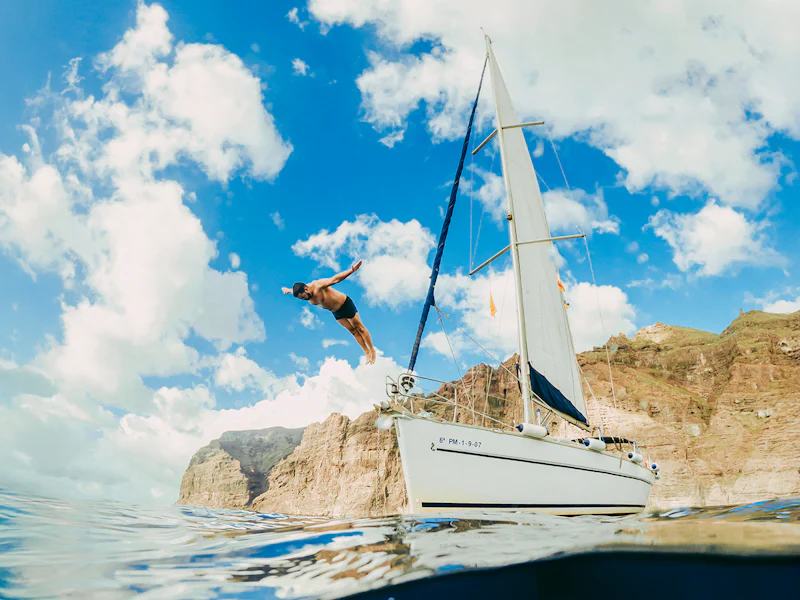
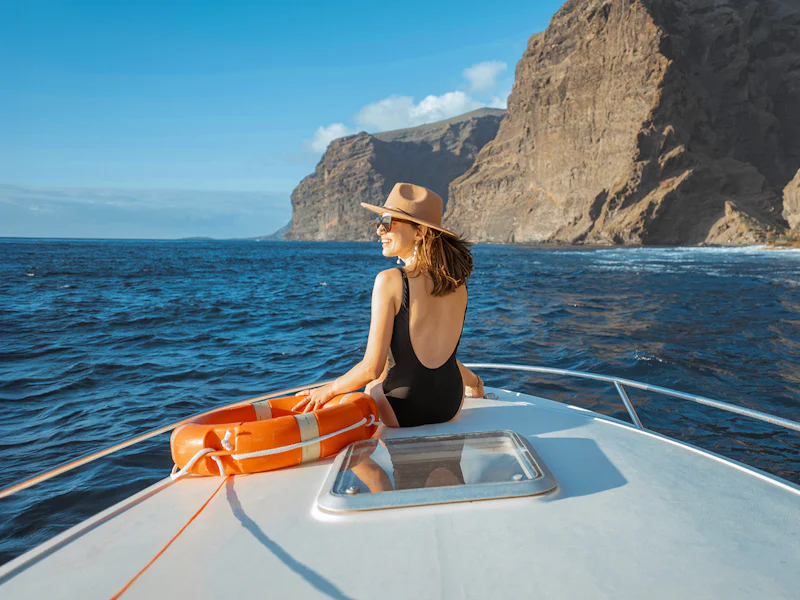
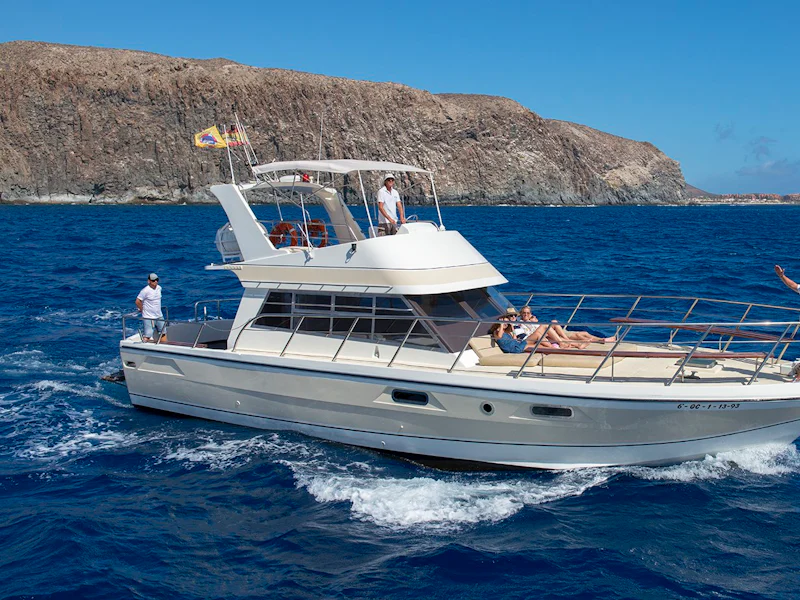
Quieter engines, smaller passenger counts and a slower pace. A luxury yacht tour in Reykjavik runs from about $111, and the Canary Islands run sailing cruises from about $62, including an eco sailing trip with snorkeling and snacks for about $81. Fewer people at the rail means more room and, often, a guide with more time for each group.
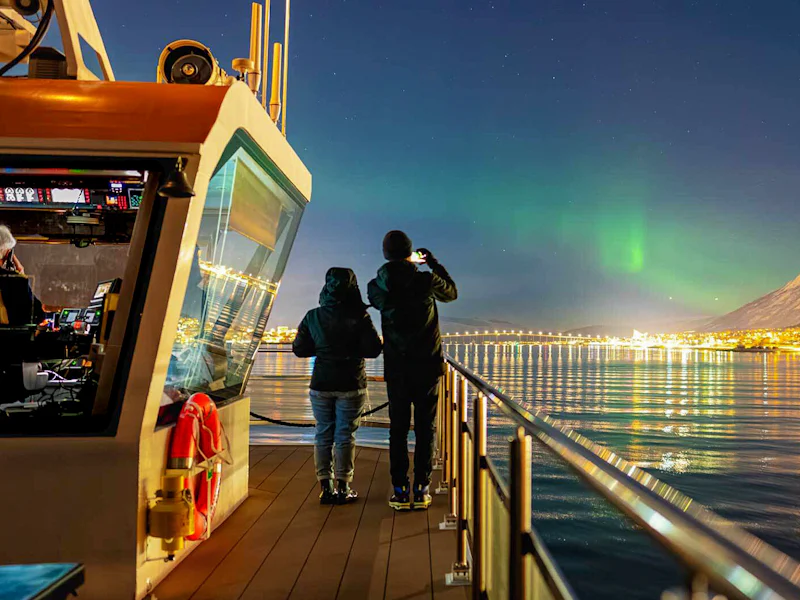
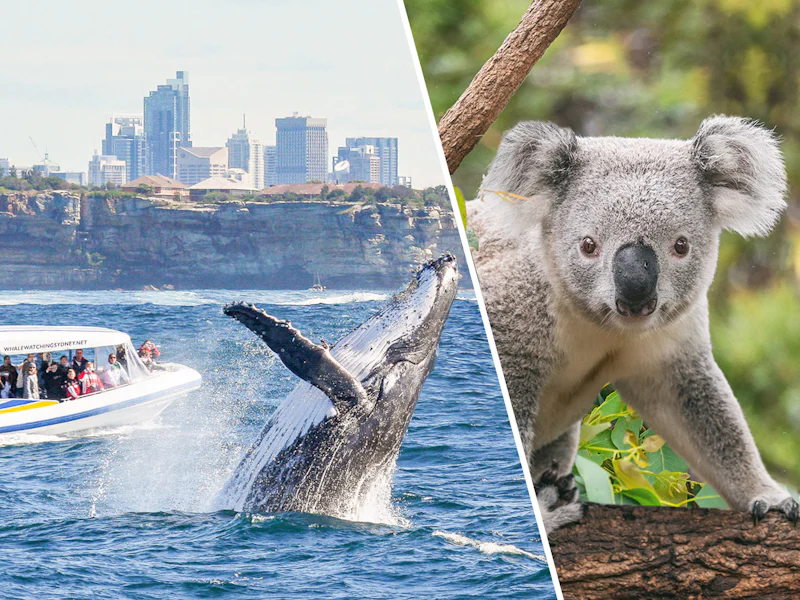
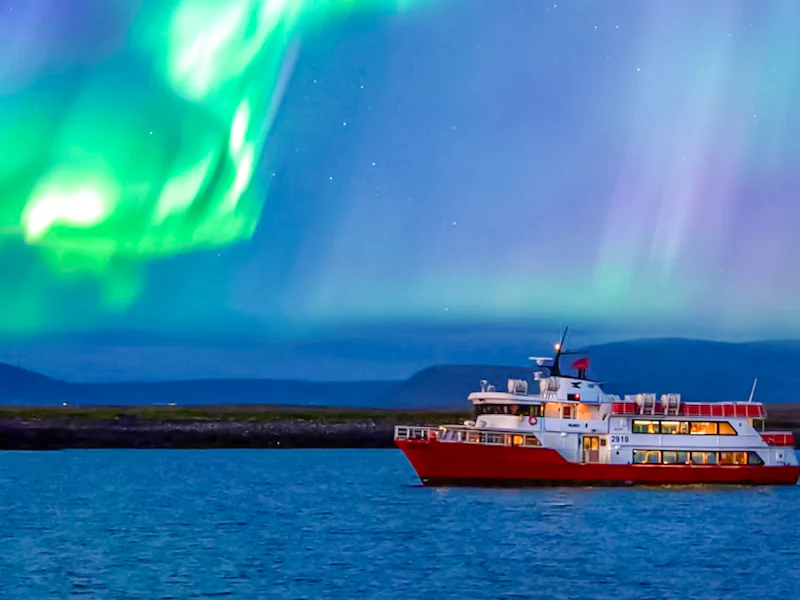
Whale watching paired with something else on the same outing: a whale watching and northern lights cruise combo in Reykjavik from about $207, a full-day whale watching cruise with lunch from Hervey Bay in Australia from about $193, or a cruise bundled with Sydney's Taronga Zoo. Useful when your time is tight and you want two experiences in one afternoon.
The cheapest and the most expensive whale watching tours can leave from the same harbor on the same morning, and the boat shapes your day far more than the price tag does.
Most tours share a common backbone: a safety briefing at the dock, life jackets, a guide narrating what surfaces where, and time spent working known feeding or resting grounds. Several listings go further, with a marine biologist giving live commentary. Longer trips often add food and drink: Norway's premium Tromso cruise includes unlimited lunch and drinks on an eight-hour outing, and some Canary Islands sailing tours pack snacks into the price. A few full-day and combo packages, particularly in South Africa and Australia, include hotel pickup and drop-off, worth factoring into the price comparison since a $150 tour with transfers can beat a $120 tour plus a taxi both ways. Toilets and an indoor cabin are standard on classic ships and catamarans, less so on RIBs and small sailing boats, so check the boat type if that matters for your group.
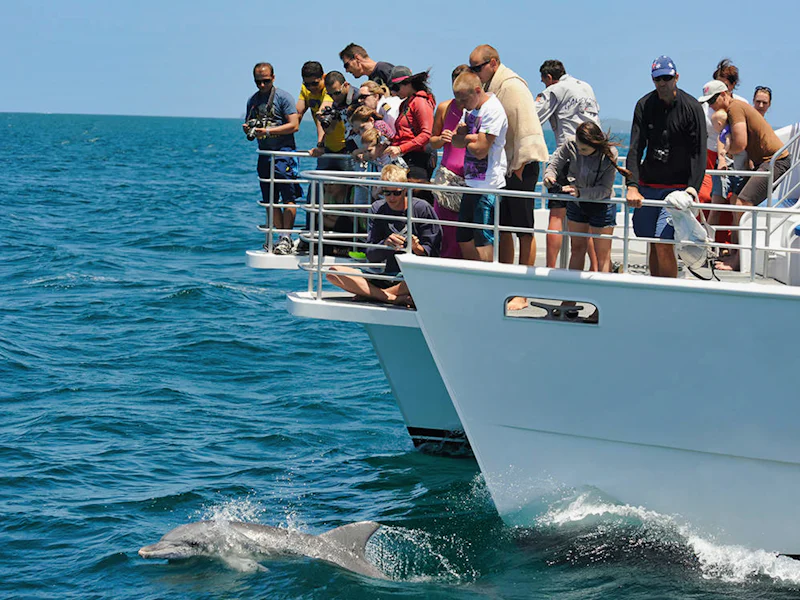
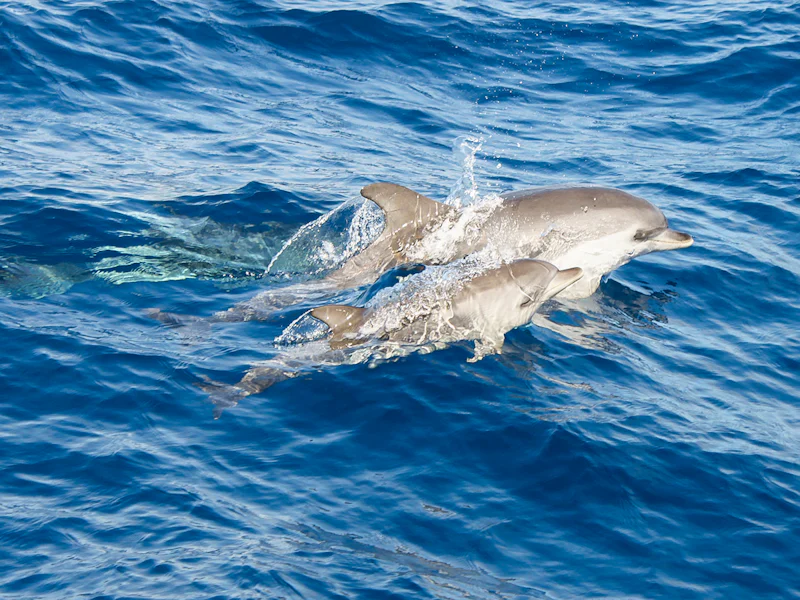
Whales are rarely the only wildlife you see. Dolphins travel with most of these boats, and depending on the destination a trip can also turn up sea lions, harbor seals, porpoises, seabirds, and bald eagles along the coasts of Alaska, British Columbia and the Salish Sea.
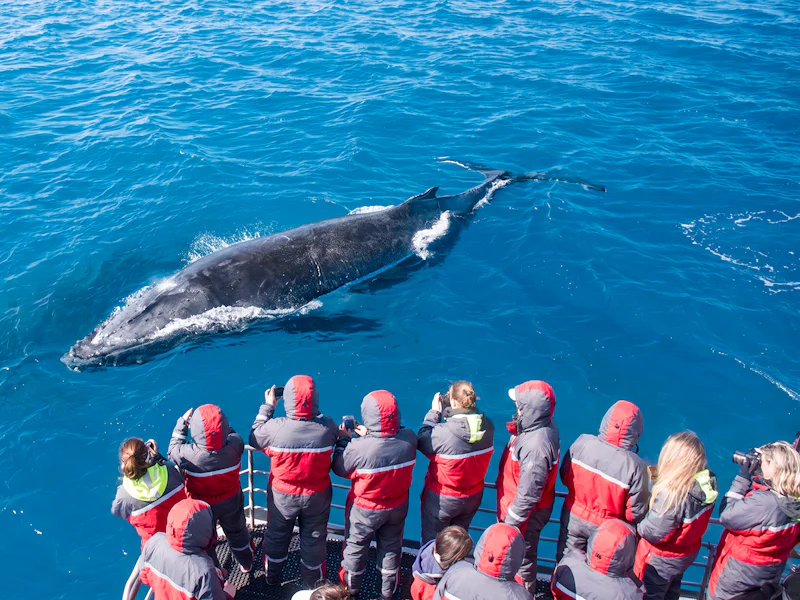
It is colder and rougher offshore than it feels at the dock, in every destination on this list. Dress in layers with a windproof outer shell, add polarized sunglasses to cut the glare that hides a blow at distance, and take motion sickness medication 30 to 60 minutes before departure rather than at the first sign of trouble. Anything you want to keep dry belongs in a bag, not a pocket.
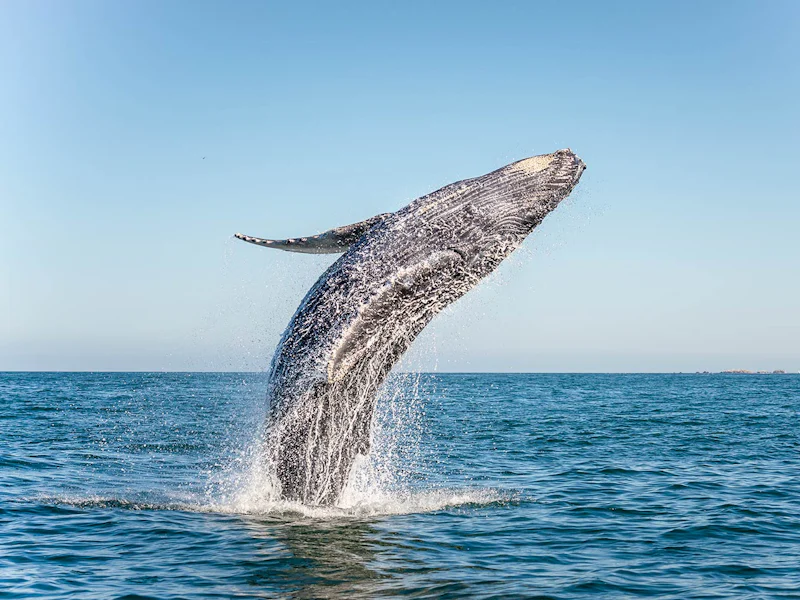
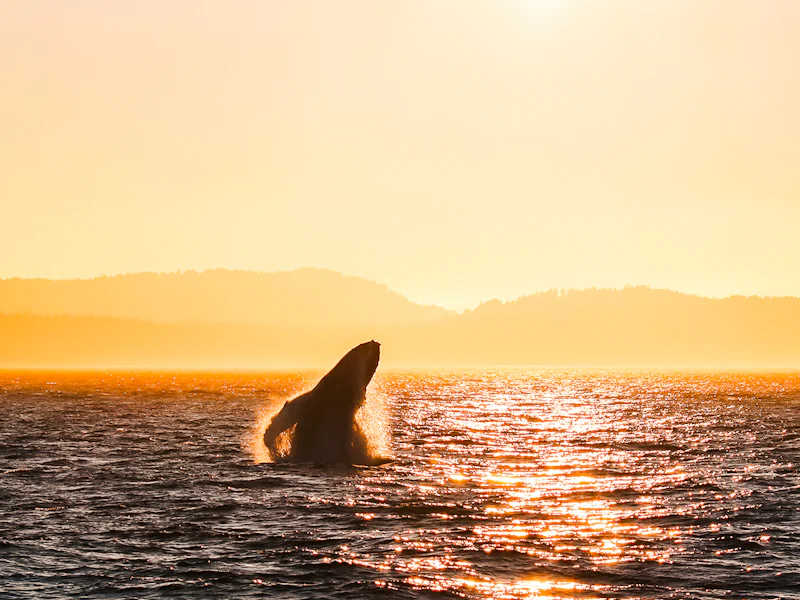
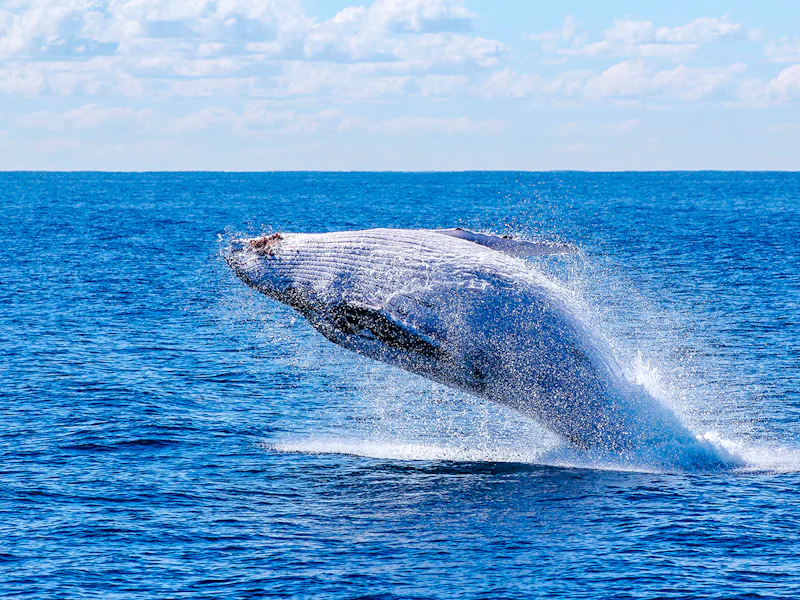
The tour is only half the decision; the month decides what is in the water. Breeding grounds peak in the local winter and early spring, which is why humpback whales fill Hawaii's channels from December to April and southern right whales come into Hermanus from June to November. Feeding grounds peak in the local summer and autumn, when baleen whales concentrate where the food is: humpbacks, minke whales and the occasional blue whale off Iceland and Alaska from May to September, and humpback, fin and minke whales over Stellwagen Bank off Boston from April to October. Gray whales are pure migration, streaming past California between December and April.
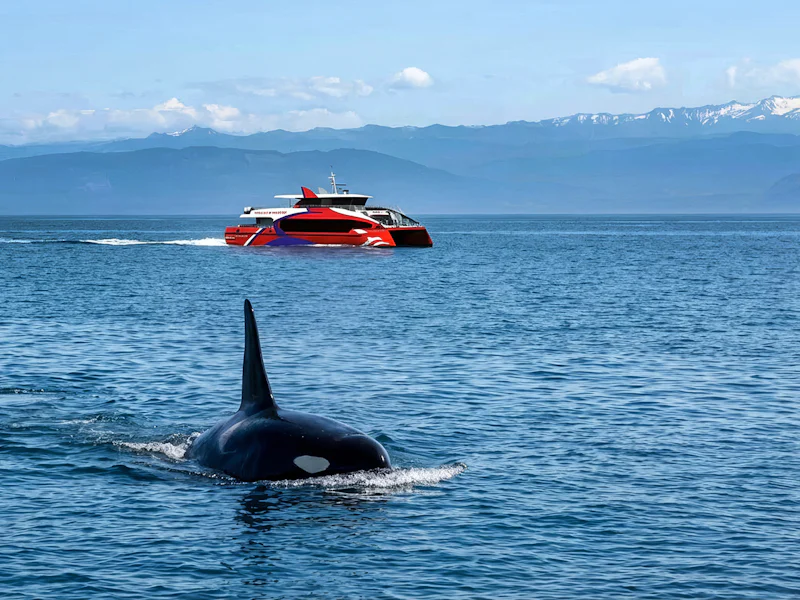
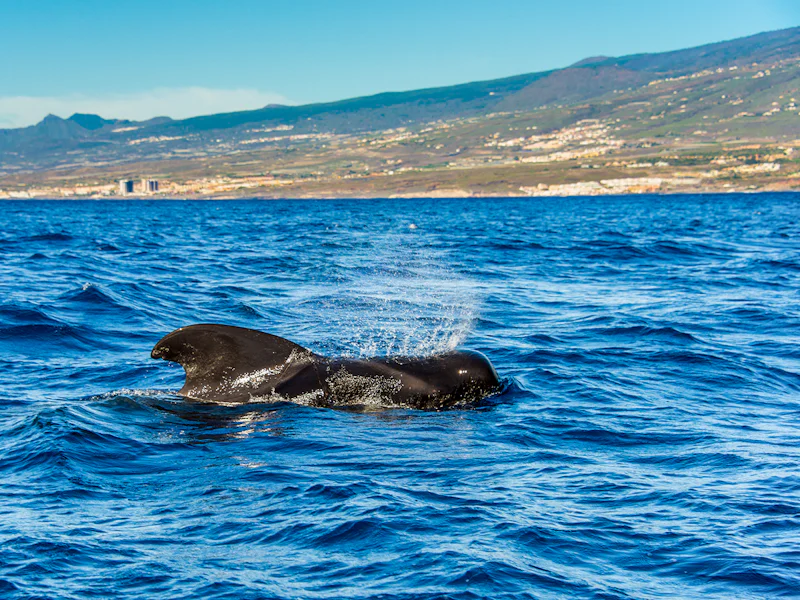
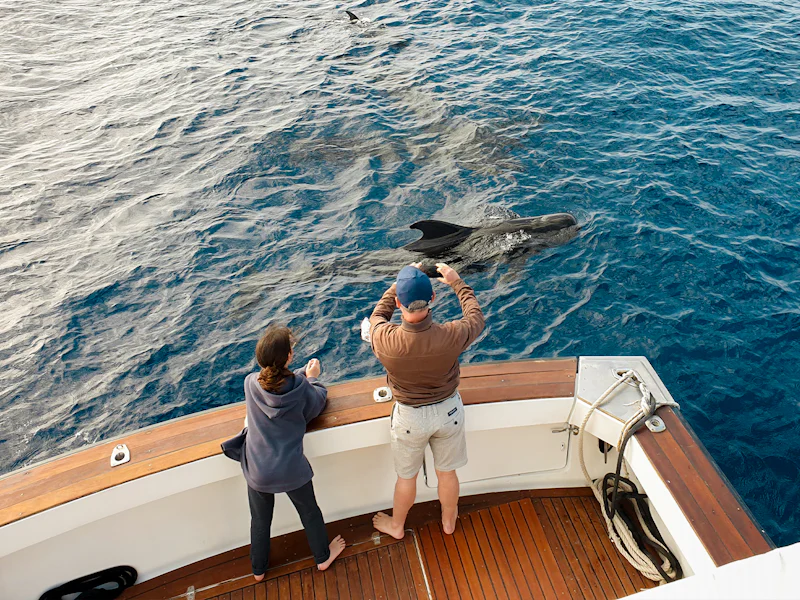
Two patterns break the migration rule and are worth knowing. Some populations are resident and seen year-round: sperm whales at Kaikoura and in the Azores, pilot whales and bottlenose dolphins off Tenerife, and killer whales in the Salish Sea reachable from Seattle and Victoria, where the mammal-eating Bigg's orcas are strongest from June to September. And some seasons are driven by prey rather than by breeding, most obviously Norway's herring run, which pulls orcas and humpbacks into the fjords near Tromso from November to January. Our month-by-month best time guide maps every destination on this page against real sighting records.
Every tour in the grid carries a star rating and a review count, and the two numbers mean different things. The rating shows how past travelers scored the experience, typically clustering between 4.2 and 4.9 for established operators. The review count shows how much to trust that score: a 5.0 from two reviews is a coin flip, while a 4.6 built on hundreds of reviews, like several Norway and Australia tours that have logged well over 250, is a far steadier signal. A tour showing zero reviews is not necessarily a bad tour, usually just a newer listing without a track record yet.
What no rating can promise is a sighting. These are wild animals, and even the best-reviewed operator has blank mornings. Read reviews for how a crew handles a slow day, and favor operators that keep the legally required distance and follow responsible whale watching guidelines instead of chasing animals for a closer photo.
Free cancellation matters most in peak season. Peak-season dates fill first, especially the smaller RIB and small-group boats, and the tours worth planning a trip around, like Iceland in June through August or Norway's herring season from November to January, sell out their best slots weeks ahead. Booking a listing with free cancellation lets you hold a date now and stay flexible later at no cost.
Sort all 106 tours by price, boat, duration, rating and free cancellation.
See the toursWith this many tours across this many destinations, the decision usually comes down to five practical questions.
Every tour on this site is bookable through Headout, a secure checkout that confirms your spot directly with the operator running the boat. Booking here costs the same as booking anywhere else, with no markup added to the price you see. We may earn a small commission if you book through one of our links, at no extra cost to you, which is how this site stays free and keeps comparing tours instead of pushing you toward one operator. Most listings include free cancellation up to a set window before departure, so you can secure a date for a destination like Iceland or the Azores and cancel later if your plans change.
Compare all 13 destinations by season, species and price, or check which months work for the whales you want to see.
See all destinations Best time to go