Teneriffa
Costa Adeje Whale Dolphin Watching Catamaran Cruise
Free cancellation5 hrs
from $53
Check availability
 New
New New
NewWhen whales are around, month by month.
Based on operators' peak-season sighting records.
Chance of seeing whales or dolphins in Canary Islands in peak season
Chance of seeing both whales and dolphins
Based on 2,827 verified sightings logged in Canary Islands: real records, not estimates.
Source: GBIF.org, which aggregates marine mammal observations from OBIS-SEAMAP, Happywhale & iNaturalist. Retrieved October 2026.
The whales and dolphins you can realistically spot here, ranked by how often they are recorded.

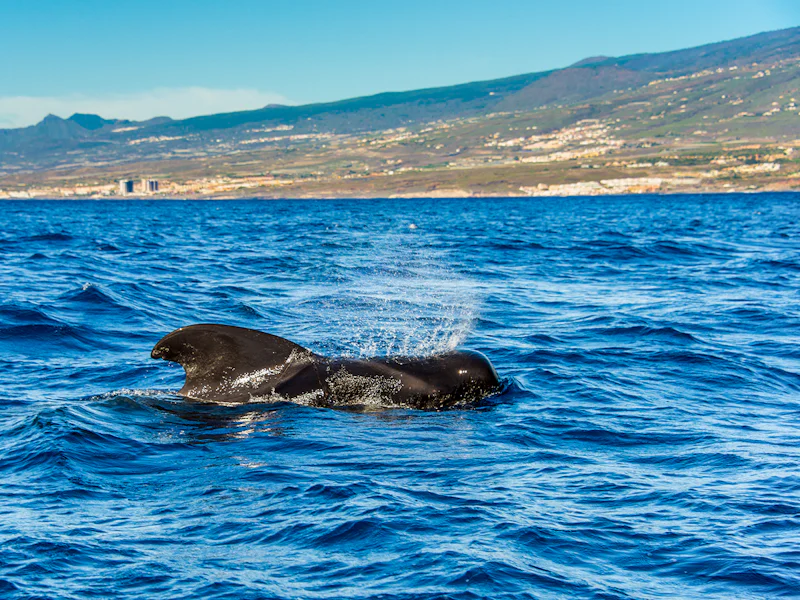
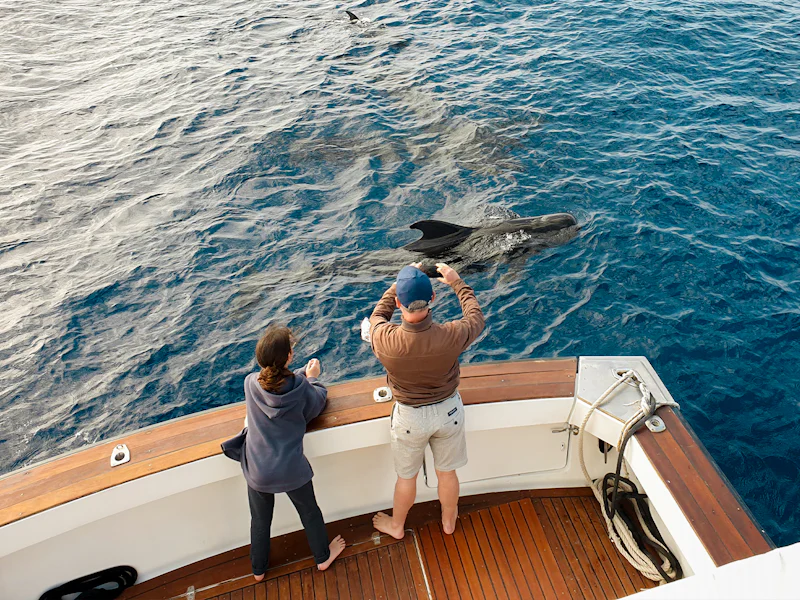
Canary Islands whale watching has no season to miss. About 96% of tours find whales or dolphins on any given sailing, in any given month, because the short-finned pilot whales and bottlenose dolphins you are looking for live in these warm Atlantic waters permanently. Picture a pod of pilot whales rolling past the bow in flat, sun-warmed water off the southwest coast of Tenerife, a calf tucked close to its mother, volcanic peaks rising behind the boat, on an ordinary Wednesday in November. All but a handful of sailings in a hundred go something like that.
Read on for why the season never closes, the four species you are most likely to meet, the two main departure islands (each with its own page), what a typical tour costs and includes, and how to choose between a budget boat and a private charter. Prices are snapshots of the tours we compare, most bookable through Headout with free cancellation, so you can lock in a date and still change your mind.
There is no bad month for Canary Islands whale watching. Every one of the twelve months carries the same peak rating in the data behind this page, because the animals that make up most sightings, short-finned pilot whales and common bottlenose dolphins, are residents. Where a destination like Iceland or Norway lives or dies by a two-to-three month window, a January sailing here and a July sailing have essentially the same odds, around 96% on the tours we track. That is why the Canaries are often recommended as the most dependable place in Europe for a first whale watching trip.
A few seasonal differences are still worth knowing. Atlantic spotted dolphins gather in larger, more energetic pods in the warmer months, roughly from late spring through early autumn, so a summer sailing carries a slightly better chance of a big, playful pod alongside the resident animals. Spring is when fin whale migrants are most likely to pass through the islands on a wider migration, a lucky extra if it happens, but too occasional to plan a trip around. If you are weighing the Canaries against a seasonal destination for another leg of your travels, our guide to the best time for whale watching lines up the regions side by side.
Why the season never closes here. The Canary Islands sit in subtropical Atlantic water that stays warm and stable across the calendar, and the channel between southwest Tenerife and La Gomera, known as the Teno-Rasca strait, drops to deep water close to shore while staying sheltered from open ocean swell. That combination gives resident pods a year-round home range instead of a seasonal feeding stop.
Somewhere between 21 and 28 cetacean species have been recorded across the archipelago, making Canary Islands waters some of the richest for marine wildlife in Europe. Four cetaceans account for the vast majority of sightings on a typical tour, and two of them are residents you can expect on close to any crossing.
The signature sighting of the archipelago and the reason the sighting rate holds steady all year. Around 400 individuals live permanently in the strait off southwest Tenerife, traveling in tight, matriarchal family pods of ten to fifty animals. NOAA Fisheries notes that these dolphins (they are technically large dolphins, despite the name) dive deep and hunt mostly at night, which means what you see by day is largely rest and social behavior: slow rolls at the surface, calves staying close to their mothers, and occasional spyhopping.
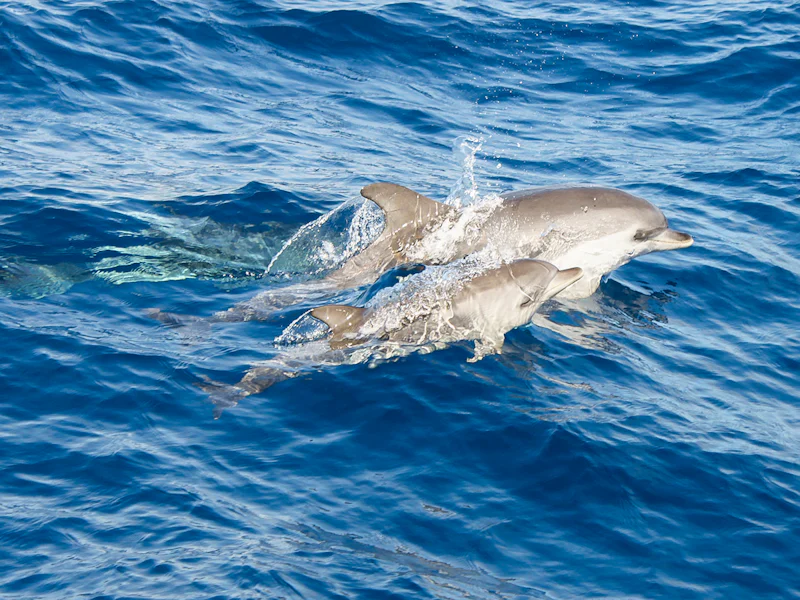
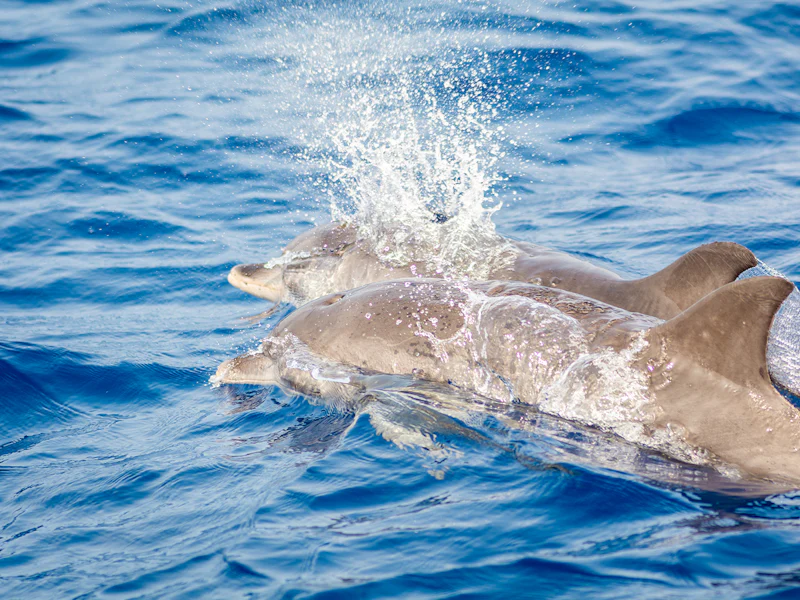
Resident year-round alongside the pilot whales and often the more active half of a sighting, frequently with calves in the pod. NOAA Fisheries notes that common bottlenose dolphins can weigh up to 1,400 pounds and live 40 to 60 years, and Canary Islands crews describe the same family groups turning up trip after trip, generation after generation. They are the species most likely to bow-ride, cutting in front of the boat to ride the pressure wave off the hull.
A warmer-water specialist that shows up in larger, more energetic pods than the resident bottlenose dolphins, with numbers picking up through the warmer months. Adults develop a spotted pattern over gray flanks as they age, so a pod can look like a mix of plain-sided juveniles and heavily speckled adults. They are fast and acrobatic at the surface, often leaping clear of the water in groups, so a large pod is a highlight for any tour that finds one.
A spring migrant rather than a resident, and the biggest animal most visitors will ever see in the Canaries: the second-largest whale on Earth after the blue whale, reaching 75 to 85 feet. Fin whales pass through the islands on a wider Atlantic migration, so a sighting comes on top of the pilot whales and dolphins you are already likely to see. Look for a tall, straight blow and a long, low back that seems to take a while to finish surfacing.
Tours run from several islands in the archipelago, but two account for most of the boats and have full guides of their own on this site.
The strait off southwest Tenerife is one of Europe's most important cetacean habitats, with pilot whales and bottlenose dolphins seen on almost every trip in calm, warm water. It is also the busiest island for whale watching by a wide margin, with the widest range of boats and prices, from a $31 pirate boat crossing out of Los Cristianos to full-day private sailing charters well above $600. Read the full guide to whale watching in Tenerife for every harbor, boat and price broken down.
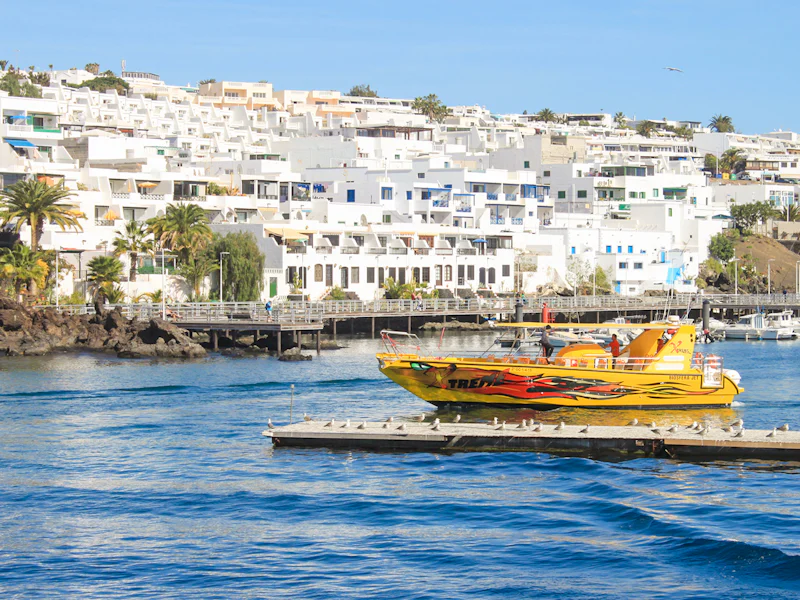
Lanzarote sits further from the resident pilot whale strait, so a sighting here leans more on passing pods and the occasional migrant among the archipelago's dolphins, but small-group boats out of Puerto del Carmen and Marina Rubicon at Playa Blanca still find dolphins and the odd whale regularly on the crossing toward Isla de Lobos, a nature reserve just off Fuerteventura's north coast, with tours from about $41 and the half-day Lobos trip at about $84. See our page on whale watching in Lanzarote for the details.
The wider archipelago adds to the picture: La Gomera sits right across the strait from Tenerife and shares the same resident pods, Gran Canaria and Fuerteventura both run their own boats along calmer stretches of coast, and interisland ferries occasionally turn up an unplanned sighting of their own. If you are island-hopping, Tenerife and Lanzarote are the two departure points with the deepest tour selection covered on this site.
Elsewhere you plan a whale watching trip around a season. In the Canary Islands the season is every month, because the whales never leave.
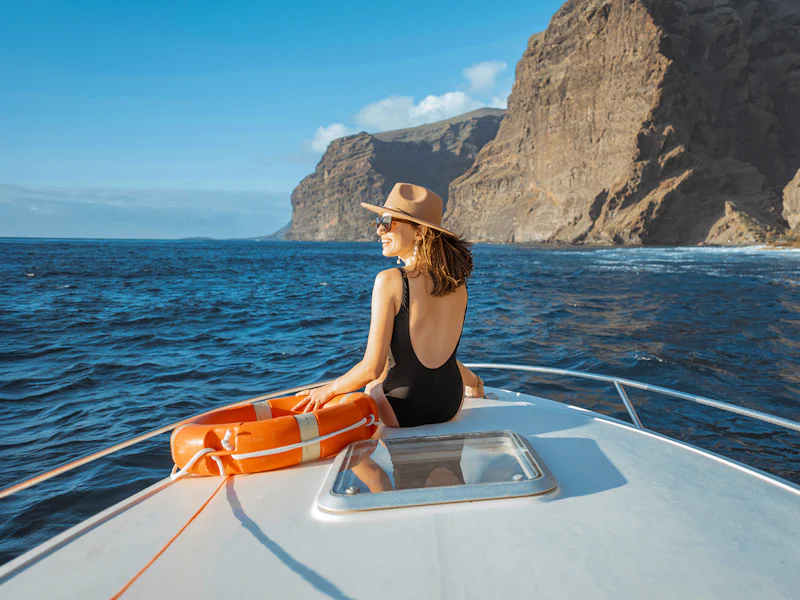
Most tours run 2 to 5 hours and follow a similar rhythm: a short crossing to open water, often 15 to 30 minutes, a search phase where the crew reads the water and radios other boats, and a slower drift once whales or dolphins are found so the animals set the pace. Warm, calm conditions mean most Canary Islands tours skip the rough-crossing anxiety that comes with a colder, more exposed coastline, one reason the islands suit beginners so well. Four broad boat types change the experience more than the island does:
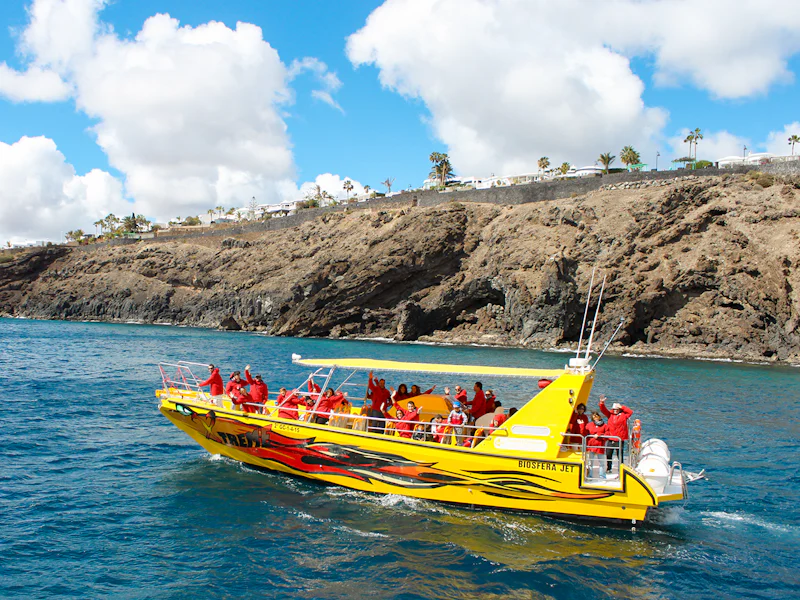
Around 2 hours, from about $31. The cheapest way onto the water, casual and fun, best for families and anyone who wants a short, affordable trip.
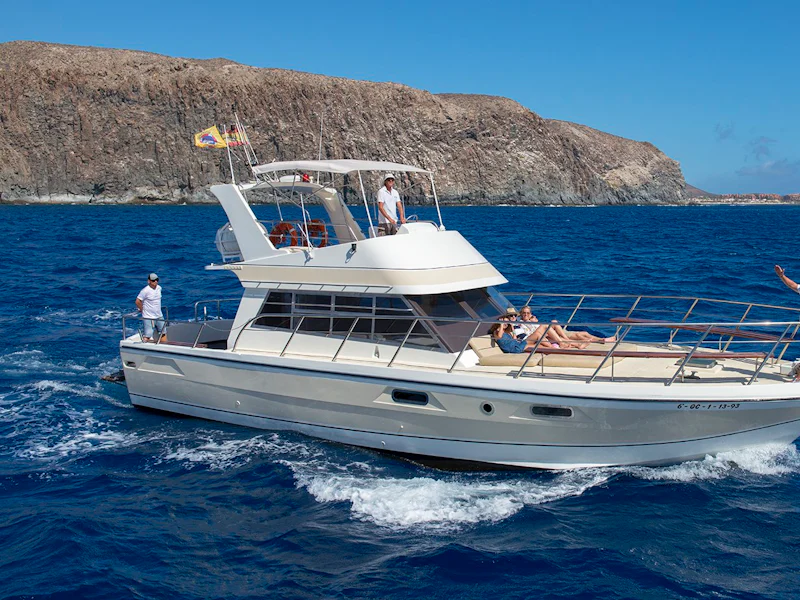
3 to 5 hours, from about $53 to $87. The core of the market: stable, roomy boats with more time on the water to search for pods, and the band most visitors end up booking.
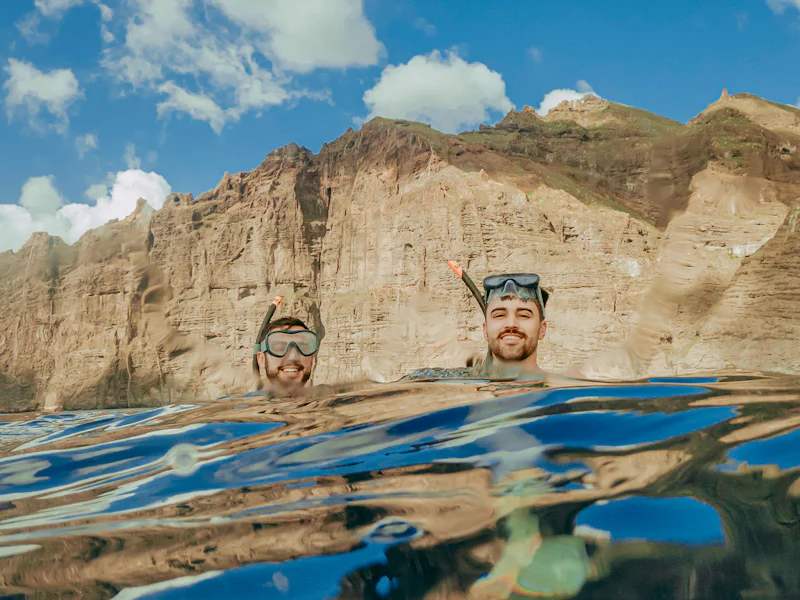
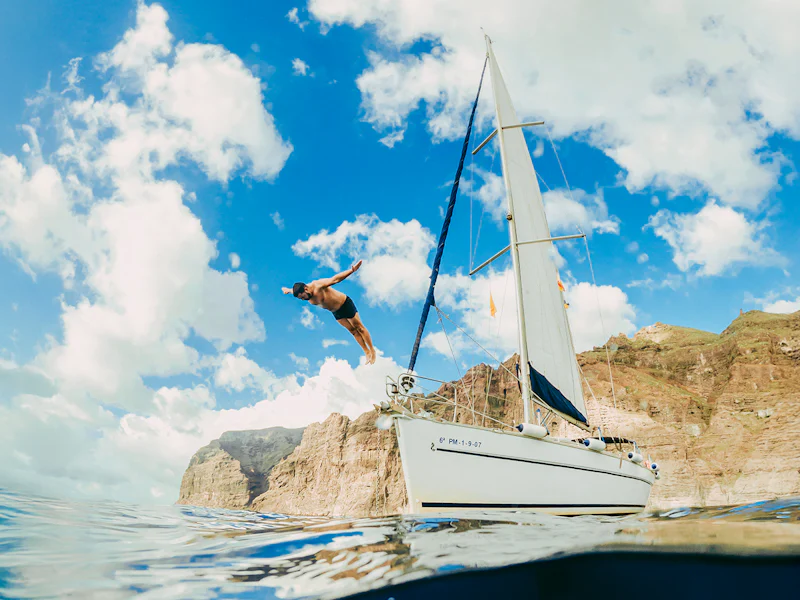
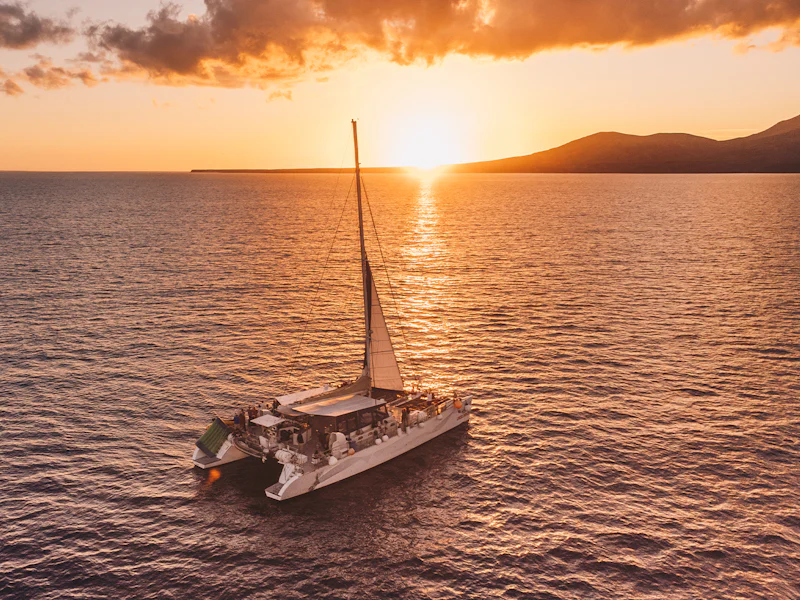
Around 3 hours, from about $81, often with snorkeling included. Sailed rather than motored where conditions allow, a quieter approach that puts less engine noise into the water around the animals.
6 to 8 hours off Tenerife, from about $692, with meals or tapas on board. The premium end of the market: your own boat and a full day on the water at whatever pace you like.
As a rule of thumb, the core Canary Islands whale watching tours sit in a band of about $31 to $87, which is unusually affordable next to most whale watching destinations, largely because the crossings are short and the resident pods are close to shore. Private boats are a separate category: about $692 to $756 for a full day off Tenerife, and about $872 for a 4-hour private cruise on Lanzarote. You are paying for an exclusive boat, so treat them as a splurge.
Line up every Canary Islands tour by price, boat, duration and free cancellation.
See the toursWith the season open all year, your choices come down to island, boat and budget.
A light layer for the breeze over open water, sunglasses and reef-safe sunscreen matter far more here than a windproof jacket. The Atlantic sun is stronger than it feels once the sea breeze cuts the heat.
The calm, sheltered water around the islands is one of the easiest crossings in whale watching, but if you are prone to motion sickness, take a remedy before boarding, eat lightly beforehand, and stay where you can see the horizon for the first 20 minutes.
Southwest Tenerife and La Gomera were designated Europe's first Whale Heritage Site by the World Cetacean Alliance, recognizing both the marine wildlife and the local commitment to sustainable whale watching. Look for operators that hold the required government permits, keep their distance and let the animals set the pace rather than chasing a pod for a closer photo.
Whale and Dolphin Conservation notes that short-finned pilot whales live in tight, matriarchal family pods where older females help raise the group's calves long after their own reproductive years end. Crews in the strait recognize some of the same family groups trip after trip, which is part of why the sighting rate here holds so steady across the calendar.
Because the season runs all year, a Canary Islands whale watching tour slots easily around a beach stay, a volcano hike or a wider island-hopping itinerary without needing to build the whole trip around one narrow window.
Pick whichever island fits your route, choose a boat length that matches your budget and your patience, and book with free cancellation as your safety net, a habit that pays off on whale watching trips worldwide.
Tenerife is the main hub, with the widest choice of boats and a resident population in the Teno-Rasca strait off the southwest coast that puts pilot whales and dolphins on almost every trip. Lanzarote is quieter, leaning on smaller-group day cruises. Both run year-round, so pick the island that fits your trip.
Very likely. About 96% of tours find whales or dolphins, in any month of the year, because short-finned pilot whales and bottlenose dolphins live in these waters year-round rather than passing through. The month you pick barely changes the odds.
For most visitors, yes. Sightings are near-reliable at about 96% of trips in any month, the resident pilot whales and dolphins are often close to shore in calm, warm water, and tours are unusually affordable from about $31. There is no narrow window to catch.
Canary Islands tours start from about $31 per person, with most falling in the $31 to $87 range depending on the island, the boat, the trip length and extras like snorkeling or meals. Short pirate boats are the cheapest, while catamarans and eco sailing cruises cost more but give you longer on the water; full-day private charters run far higher.
Bookings are processed through Headout, which partners with vetted local operators. Whale Watching is an independent affiliate site. We may earn a small commission if you book through a link here, at no extra cost to you.
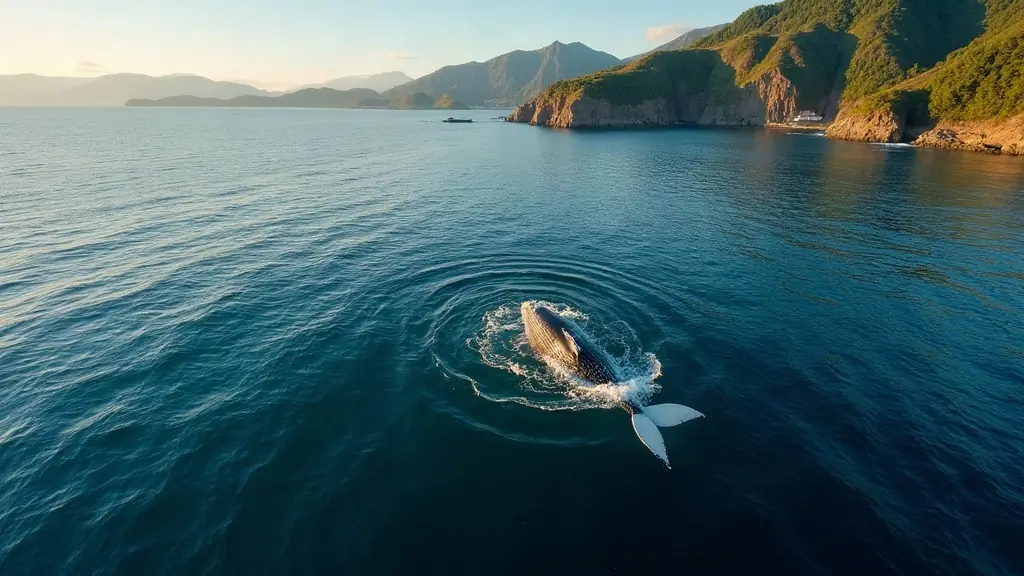
Compare tours in Canary Islands and book in minutes. Most offer free cancellation.
See tours in Canary Islands

