Whale watching destinations
Every country has its own seasons, species and boat styles. Pick a destination to see its best-time calendar, sighting odds and best-reviewed tours.
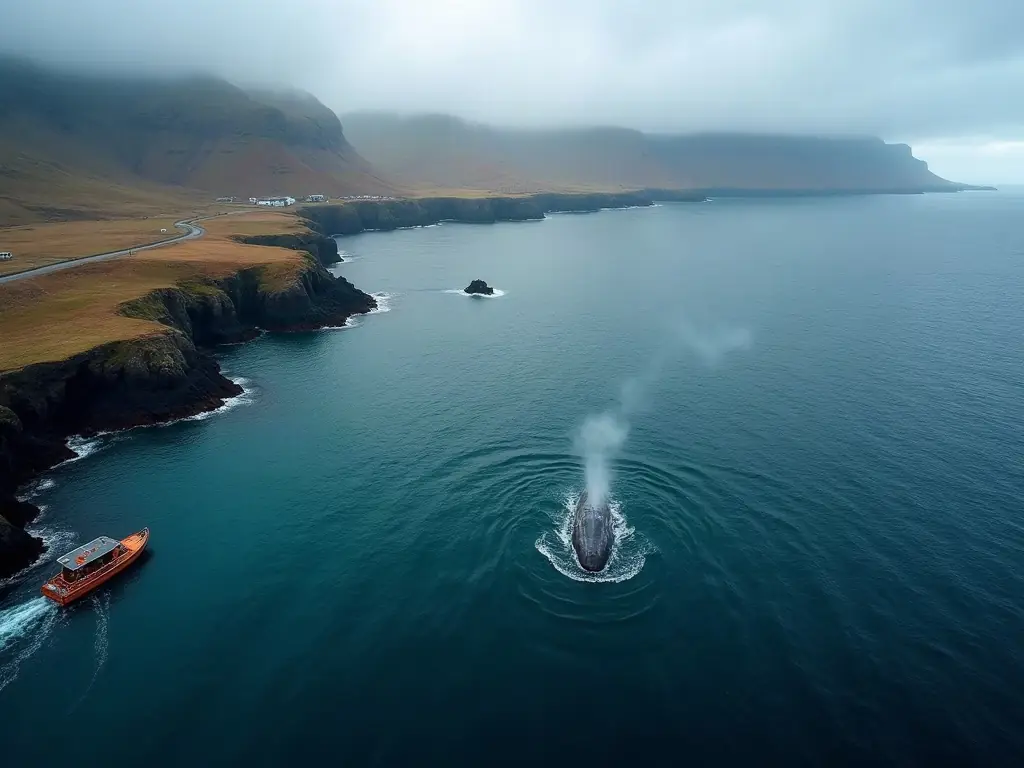
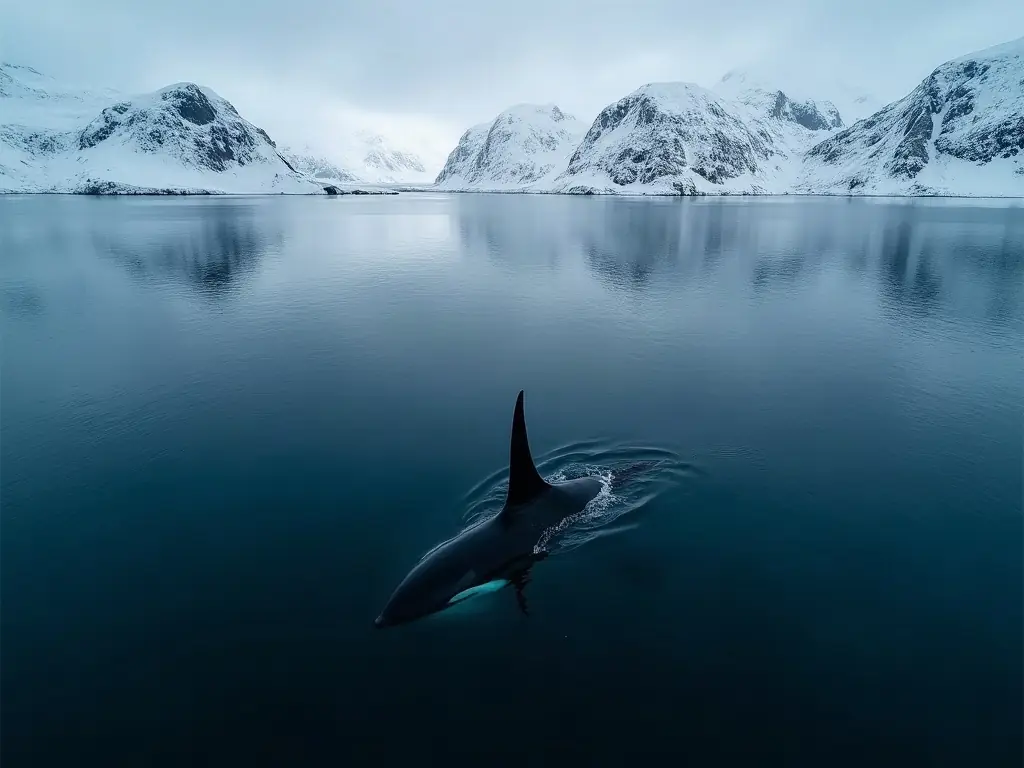
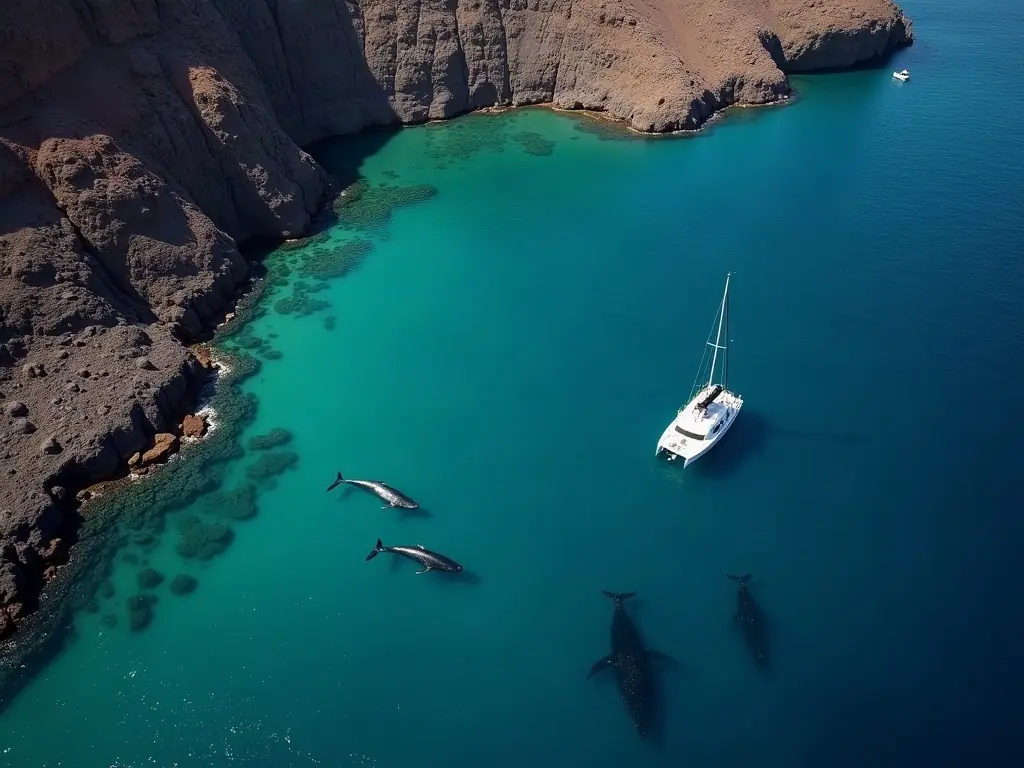
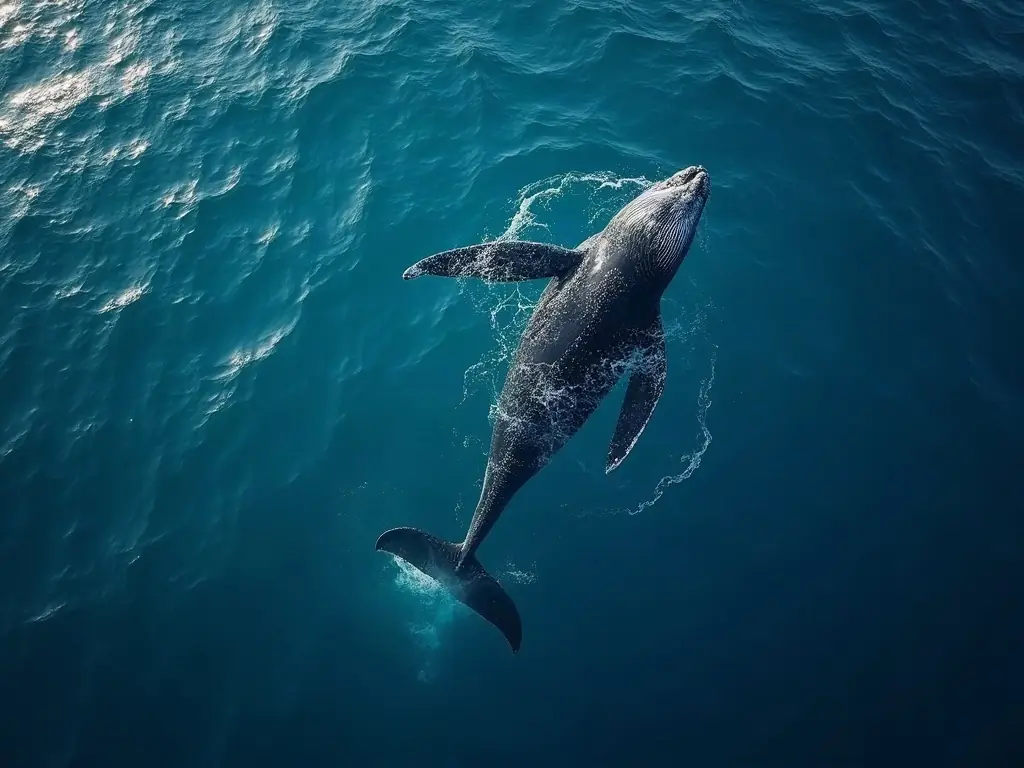
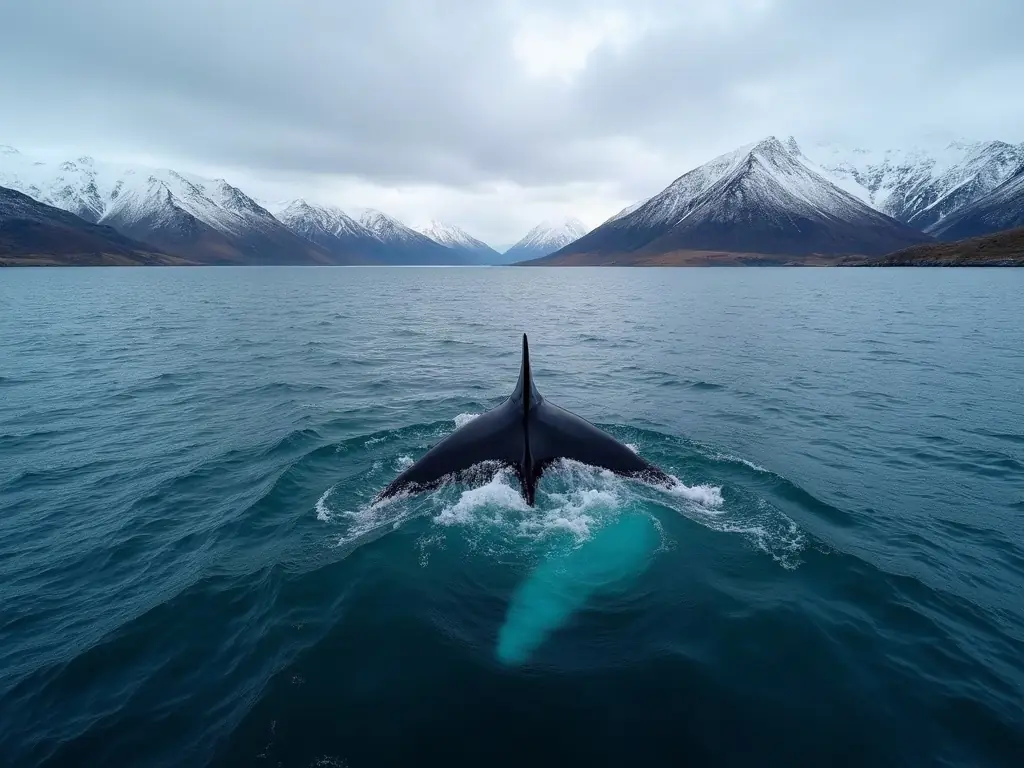

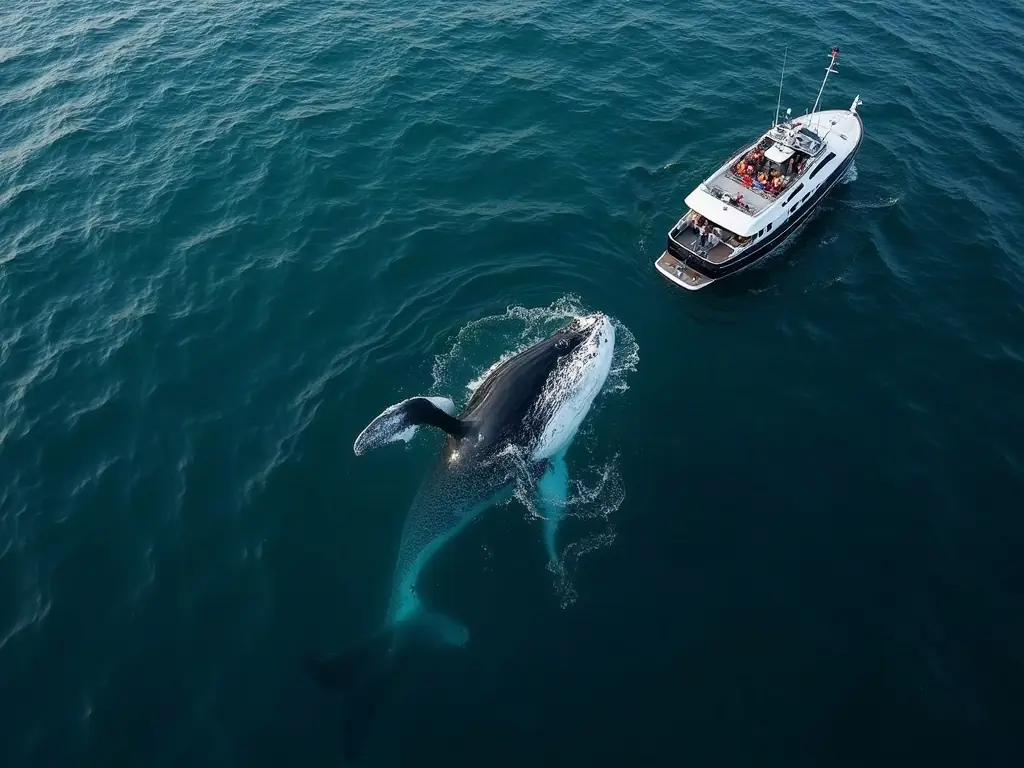
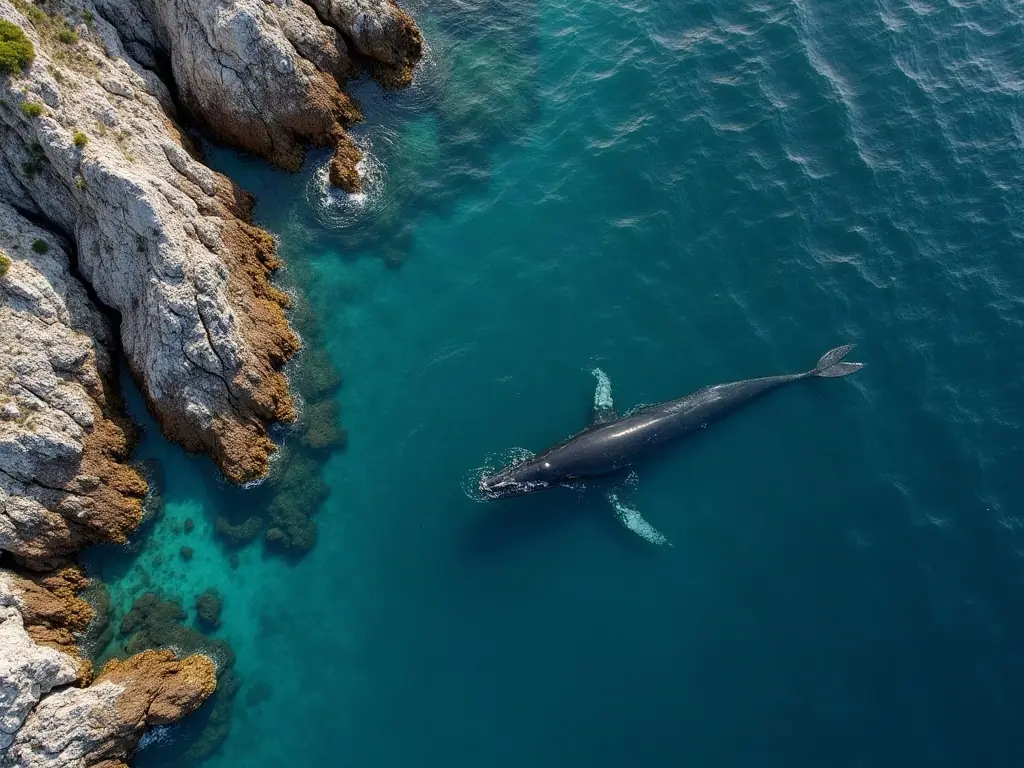
Whale watching destinations: how to pick the right ocean
Whale watching destinations span a dozen countries and both hemispheres, but they differ less in prestige than in timing. Whale sightings follow migration and feeding patterns, so the right month on the right coastline tips the odds strongly in your favor almost anywhere in the world, while the wrong week can leave even a famous bay quiet. Some of the best whale watching happens where a resident pod stays put year-round, tucked into a deep coastal canyon or a narrow strait. The rest depends on a specific window when a migratory population passes through, sometimes for only a few weeks a year. Below are the main regions, the species each is known for, the season each peaks in, and the practical logic that gets you a high-sighting trip on the first try.
We track bookable tours in all of them, and the same pattern holds everywhere. Match your travel dates to a known season, decide which whales you want to see, and choose a boat and departure point that suits your budget and your stomach. Get those three right and the destination almost picks itself. Below we compare 13 whale watching regions worldwide, explain how the northern and southern hemisphere seasons mirror each other, and line up tours with prices and cancellation policies, whether that points you to a fjord in the Arctic Circle or a cliff top in the Southern Hemisphere where you never leave dry land.
How to choose whale watching tours and destinations
Before you fall for a photo of a breaching humpback, run the decision through three filters. They apply whether you are booking a two-hour boat trip from a working harbor or a land-based watch from a cliff path, and they matter more than the destination's reputation.
Start with the season you can actually travel
Every region on this page has a defined peak season, and traveling outside it is the single biggest reason people come home disappointed. A handful of places, like the Canary Islands and New Zealand's Kaikoura, hold resident pods that are sightable close to year-round; most others are migratory and tied to a window of a few months. Fix your travel dates first, then let that narrow the map.
Decide which whales you want to see
A curious, acrobatic humpback breaching off Hawaii is a different trip from a deep-diving sperm whale off the Azores or a resident orca pod threading the Salish Sea. If one species is the whole point of the trip, work backward from where and when it shows up.
Match the boat and budget to your stomach
Open ocean off Iceland or Alaska rocks a lot more than a sheltered strait off Tenerife or a calm morning in the Salish Sea. The tours we compare span from about $15 for a short coastal trip to well over $250 for a small-group or private charter, so there is a fit for most budgets. If seasickness worries you, a bigger, steadier boat and a sheltered channel matter more than anything else on this list.
Hemispheres run on opposite clocks. Northern feeding grounds like Iceland, Alaska and Boston peak from June to September, the same months the southern winter brings whales to Australia and South Africa to breed. Hawaii's humpbacks breed in warm tropical water during the northern winter, and Australia's humpbacks breed in similar water off Queensland, at a mirror-image latitude south of the equator, during their own winter six months later. If you are chasing humpback whales twice in one year, plan the two trips about six months apart.
- Lock a month before a destination.Whale watching destinations only work on their own calendar. Our best time for whale watching guide lines up every region's season side by side.
- Pick the species, then find where it lives.Sperm whales, orcas and gray whales all have narrow, well-known ranges; humpbacks are the most widely seen because they show up on both sides of two oceans.
- Weigh hemisphere and travel time.A short flight to a strong shoulder season usually beats a long haul aimed at a single peak week.
- Screen for seasickness before you book.Sheltered water, a bigger boat or a land-based option removes most of the risk if you know you are prone to it.
- Set a price band and book with free cancellation.Most of the tours we compare let you hold a peak date and change your mind later at no cost, so there is little reason to wait and risk a sellout.
The Atlantic: Iceland's midnight sun to Boston's Stellwagen Bank
The North Atlantic is cold-water whale watching at its most concentrated, and three destinations carry most of the traffic.
Iceland: midnight-sun minkes and humpbacks
In whale watching in Iceland, June through August brings sighting rates around 96% for minke and humpback whales, with white-beaked dolphins and the occasional blue whale, from three harbor towns under the near-endless light of the midnight sun.
Norway: Arctic winter orcas
Norway flips the calendar. Its peak season is the Arctic winter, November through January, when vast herring shoals pull orcas and humpbacks into narrow fjords near Tromso, with sighting rates around 90% in cold, dark water.
Azores: resident sperm whales, migratory giants
In the Azores, sperm whales are resident in this mid-Atlantic archipelago year-round, using the deep water just offshore as a nursery and feeding ground. More than twenty cetacean species have been recorded here, and from April through October sei and beaked whales join the list. Spring, April through June, is the second draw, when migratory blue and fin whales pass close to shore on their way to Arctic feeding grounds.
Further south again, the Canary Islands run on no calendar at all. A resident population of short-finned pilot whales lives in the sheltered strait between Tenerife and La Gomera and is sightable essentially every month, with sighting rates around 96% and some of the lowest prices anywhere on this page. Back across the ocean, the Gulf of Maine gives New England its own Atlantic season: from Boston, boats reach Stellwagen Bank, a National Marine Sanctuary about 25 miles offshore, where feeding humpbacks, finback and minke whales concentrate from June through September.
The same ocean produces a summer sighting off Iceland's midnight sun and a winter orca hunt in a Norwegian fjord, six months and roughly a thousand miles apart.
The Pacific: Hawaii's calving lagoons to the Salish Sea's orcas
The Pacific side of North America carries one humpback population through an entire annual migration, and the whale watching destinations along its length each catch a different chapter of it.
Hawaii: the winter calving grounds
In winter, January through March, humpback whales migrate down from Alaska into the warm, shallow channels of whale watching in Maui and Hawaii's other islands to breed and calve. Sighting rates run as high as 99%, the best odds anywhere on this page.
Alaska: summer bubble-net feeding
By early summer the same whales are back in Southeast Alaska, where breaching and tail-slapping are routine and humpbacks practice bubble-net feeding, in which a group blows a ring of bubbles to corral fish, then lunges up through the surface together. June through August is peak season, at around 96%.
California: two seasons, one coast
Gray whales pass San Diego, Los Angeles and San Francisco in winter, December through March, on one of the longest migrations of any mammal, while blue and humpback whales feed offshore in summer, June through September. Monterey Bay is the best known spot, thanks to a submarine canyon that pulls deep-water prey within a few miles of the beach.
California is also the most affordable region on the whole page, with tours from about $15 and sighting rates near 95% in both of its windows. Further north, Seattle and the Salish Sea, along with Vancouver and Victoria on Canada's side of the border, hold resident and transient orca pods alongside humpback, gray and minke whales; boats work the sheltered channels around Vancouver Island from May through September, at about 92% from Seattle and 96% from the Canadian side.
Browse whale watching tours from every region above, with prices and free cancellation shown for each.
See all the toursThe Southern Hemisphere: winter whales down under and off Africa
South of the equator the seasons invert, and three destinations anchor the Southern Hemisphere tour.
Australia: the humpback highway
East coast humpbacks make a "humpback highway" past Sydney on their way north in June and July, and many linger to rest and nurse calves at Hervey Bay in Queensland before heading south again through September and October. Sighting rates run around 96% at both ends of that migration.
South Africa: whales from the cliffs
In whale watching in Hermanus, southern right whales come close enough to shore, from June through November and most reliably from August to October, that no boat is needed at all. This Western Cape town is the land-based whale watching capital of the world: it has a cliff path built for the job, a whale crier who announces the day's sightings and an annual whale festival at the peak of the season, with Cape fur seals, humpback and Bryde's whales further out and boat trips from Cape Town.
New Zealand: Kaikoura's resident sperm whales
A submarine canyon drops steeply just offshore Kaikoura, drawing deep-diving sperm whales into water close enough to reach on a short boat ride, year-round, with sighting rates around 95%. The canyon's food chain runs on squid, giant squid included, which is why the whales stay put instead of migrating. Dusky dolphins, humpbacks passing through and occasional orca add to the lineup.
Between Australia's migratory highway, South Africa's shore-based southern rights and New Zealand's resident sperm whales, the Southern Hemisphere covers almost every way whale watching can work, and its winter, June through October, is worth remembering as the Northern Hemisphere's off season.
Which whales you can see, and where
Most whale watching guides tell you which species a destination is "known for". The lines below come from 399,333 verified cetacean observations across the 13 regions on this page instead, so the peak month for each species is the month it was seen most often.
Humpback whale
The signature whale watching species, and by a wide margin the most-recorded one in our data. Acrobatic, curious and present on both sides of both oceans, which is why it turns up on almost every coast we cover.
Where and when: California (peaks August), Australia (peaks September), Hawaii (peaks February), Alaska (peaks August), Canada (peaks August)
Sperm whale
The deep diver, and the only great whale you can reliably see in the same place all year. It hunts squid far below the surface, so it needs deep water close to shore, as found off the Azores and Kaikoura.
Where and when: Azores (peaks July), New Zealand (peaks January)
Orca
Killer whales are the draw in Norway's winter fjords and in the Salish Sea, where resident and transient pods work the same channels each summer. Sightings tend to be pod sightings: find one, and you usually find several.
Where and when: Canada (peaks July), Alaska (peaks July), Seattle (peaks July), Norway (peaks November), New Zealand (peaks January)
Grey whale
The commuter. Grey whales run one of the longest migrations of any mammal, south down the North American west coast in winter and back north in spring. That timing puts California's peak in midwinter and the north coast's in April.
Where and when: California (peaks January), Canada (peaks April), Alaska (peaks April), Seattle (peaks April)
Blue whale
The largest animal that has ever lived, and the hardest to plan around. It appears offshore in summer wherever krill is thick, so California and the Azores are the two realistic bets.
Where and when: California (peaks July), Azores (peaks May), Iceland (peaks June)
Fin whale
The second-largest whale: fast, deep-bodied and less showy than a humpback. It passes the Azores on spring migration, feeds off New England, and turns up occasionally off Norway and the Canaries.
Where and when: Azores (peaks May), Boston (peaks April), Norway (peaks November), Canary Islands (peaks March)
Southern right whale
The reason Hermanus and Australia's southern bays work from dry land. Right whales calve in shallow water within metres of the shore and are slow, buoyant and untroubled by people watching from a cliff path.
Where and when: Australia (peaks August), South Africa (peaks September)
Minke whale
The small, dependable one. Minkes seldom breach, but they are the bread and butter of Icelandic and New England trips and keep the sighting rate above 90% when nothing bigger shows up.
Where and when: Boston (peaks May), Iceland (peaks July), Canada (peaks July), Seattle (peaks July)
Short-finned pilot whale
A resident population of a few hundred lives in the strait off Tenerife. Those whales are why the Canary Islands are the one European destination that works in every month.
Where and when: Canary Islands (peaks March)
Dolphins
Almost every trip on this page turns up dolphins, and on a slow whale day they are what saves it. Common, bottlenose, spotted, spinner, dusky and white-beaked dolphins all show up in the sighting records, usually in fast, bow-riding pods of dozens.
Where and when: Azores (peaks June), California (peaks September), Hawaii (peaks February), Australia (peaks July), Boston (peaks April)
Source: GBIF.org: marine mammal observations aggregated from OBIS-SEAMAP, Happywhale and iNaturalist. Retrieved October 2026. Peak months reflect where observers are as well as where whales are, so treat them as a strong hint rather than a guarantee.
However you narrow the list, start with the season, then the species, then the boat and budget, and cross-check the date against our whale watching tour comparison before you book, since the whales keep their own schedule and the trip only works if you arrive on it.
Destinations FAQ
The best country depends on your dates. For a first trip in Europe, the Canary Islands are the most dependable because the pilot whales live there year-round. For sheer spectacle, Iceland in July, Hawaii in February and Australia in July are the highest-percentage bets we track.
California is the most affordable region we compare, with tours from about $15 for a short coastal trip. The Canary Islands are close behind, from about $31. Both post peak-season sighting rates of 95% or better, so the low prices do not cost you any odds.
Three places on this page work in any month. The Canary Islands hold a resident population of short-finned pilot whales off Tenerife, Kaikoura in New Zealand has a submarine canyon that holds sperm whales a short boat ride from the beach, and California swaps winter gray whales for summer blue and humpback whales.
Yes. Hermanus in South Africa is built for it: southern right whales calve close to the cliff path from June through November, and the town has a whale crier who announces the day's sightings. Australia's headlands and stretches of the California coast also give usable land-based views during migration, though a boat puts you far closer.
It depends on the hemisphere. Northern destinations peak either in summer (Iceland and Alaska June to August, Boston June to September) or in deep winter (Norway's orcas, November to January; Hawaii's humpbacks, January to March). Southern destinations peak between June and October. Our best-time tool lines every region up month by month.
Not usually. Many operators offer a free repeat trip rather than a refund if no whales are seen, but the exact policy varies by tour, so check the individual booking page. Peak-season sighting rates across these destinations run from about 90% to 99%.
Ready to find your whale?
Compare tours across 13 destinations and book in minutes, with free cancellation on most.
Browse all tours