 New
NewKapstadt
Private Hermanus Whale Watching Boat Tour And Hemel En Aarde Wine Tasting Day Trip From Cape Town
Free cancellation10 hrs
from $275
Check availabilityNew New
New New
NewWhen whales are around, month by month.
Based on operators' peak-season sighting records.
Chance of seeing whales or dolphins in South Africa in peak season
Based on 12,338 verified sightings logged in South Africa: real records, not estimates.
Source: GBIF.org, which aggregates marine mammal observations from OBIS-SEAMAP, Happywhale & iNaturalist. Retrieved October 2026.
The whales and dolphins you can realistically spot here, ranked by how often they are recorded.
South Africa whale watching lets you watch full-grown whales from dry land, for nothing, closer than most boats are allowed to get. Along the Western Cape's "Whale Coast," southern right whales swim into sheltered bays every winter and spring to mate and calve, sometimes within a few hundred meters of the cliffs. Picture a mother and calf rolling and blowing just beyond the rocks at Hermanus, a town crier's kelp horn echoing up the main street to say where to look, while you stand at the railing with a coffee and no ticket in your hand on an ordinary morning between June and November.
Planning a trip here comes down to the best months to go, the four species you are most likely to meet, the two ways people base a trip (land-based at Hermanus or by boat from Cape Town), what a typical tour costs and includes, and how to choose between them. Tour prices are snapshots from the Headout listings we compare, and most come with free cancellation, so reserving a peak-season date early carries no risk.
The short answer is August, September and October. Those three months are the peak of the South Africa whale watching season, when the largest numbers of southern right whales are in the bays to calve and sighting rates on land and on the water run around 90%. September in particular is when mothers, calves and courting groups are all present at once, which is why Hermanus holds its annual Whale Festival in late September or early October.
June, July and November are solid shoulder months. The first whales usually arrive in June as they finish their migration from sub-Antarctic feeding grounds, numbers build through the winter, and by November most mothers and calves have started the swim back south, though a few stragglers linger. Either shoulder month still gives good odds with noticeably thinner crowds along the cliff paths.
December through May is the off season for the classic whale-coast experience, since the southern right whales that define this coast have moved back to colder, richer waters far to the south to feed. Bryde's whales stay resident year-round regardless of season, so a boat trip from Cape Town can still find whales outside the winter window. If you are weighing South Africa against other destinations for a specific month, our guide to the best time for whale watching lines up the seasons side by side.
The free-viewing trick. Hermanus is one of the very few places on Earth built around land-based whale watching: a marked cliff path runs above Walker Bay, the town employs the world's only official whale crier to signal fresh sightings by kelp horn, and in peak season whales can pass close enough to hear them breathe without a single dollar changing hands. Bring binoculars, walk the path slowly, and budget an hour or two.
Four cetaceans make up the vast majority of encounters on a South Africa whale watching trip, and between them they cover almost the whole calendar. Marine wildlife sightings here range from the coastal giants that define the Whale Coast to the dolphins that turn a boat trip into a full ocean safari.
The star of the Whale Coast, and the whale the season is built around. According to NOAA Fisheries, southern right whales reach roughly 43 to 56 feet and migrate between sub-Antarctic feeding grounds in summer and low-latitude breeding grounds in winter, with South Africa among the best-studied of those breeding coasts. Females bring their calves into Walker Bay and other sheltered bays to nurse within meters of the cliffs, and the whales are surprisingly acrobatic for their bulk: breaching, lobtailing and "sailing" with a raised tail fluke are all normal behavior here, according to Whale and Dolphin Conservation. Look for the pale, crusty callosities on their heads, the individual pattern researchers use to identify each animal by name.
A winter and spring migrant past the Cape, moving between Antarctic feeding grounds and warmer breeding waters further up the African coast. Adults reach about 60 feet and 40 tons, according to NOAA Fisheries, and the ones seen off South Africa are usually on the move and rarely linger, so a Cape Town boat trip that finds one feels like a bonus on top of the southern rights. They are the most likely species to breach clear of the water, so keep your camera ready even after a sighting seems to have settled.
The resident whale of this coast, present in Cape waters all year. Bryde's whales grow to 40 to 55 feet and are unusual among the great whales in that some populations do not migrate at all, according to NOAA Fisheries, and the population off South Africa is one of them. They surface less predictably than southern rights, often on their own and without warning, so a Bryde's whale sighting from a Cape Town boat counts as a highlight, and you shouldn't expect one on every trip.
The species behind South Africa's famous "sardine run," when super-pods of common dolphins numbering in the thousands herd bait balls of sardines along the coast further east, one of the largest marine wildlife events anywhere in the world. Closer to Cape Town and Hermanus, smaller pods of common dolphins turn up regularly on whale watching boats, riding the bow wake and adding energetic contrast to the slower, larger whales. They are fast and social, often traveling and feeding in tight groups that surface together.
Two towns anchor almost every South Africa whale watching trip, and they suit different plans. Each has its own page with the local tours, prices and seasons broken down in detail.
Hermanus, about two hours from Cape Town, is built around Walker Bay and is widely considered one of the best land-based whale watching spots on Earth. Southern right whales come close enough to shore here that you can watch mothers and calves from the clifftop path for free, while the town's whale crier walks the streets signaling fresh sightings by kelp horn. For a closer look, permitted operators run boat trips into the bay, and combined tours pair a Hermanus whale trip with an African penguin colony visit or a Hemel-en-Aarde wine tasting for visitors based in Cape Town. See the full guide to whale watching in Hermanus for the complete lineup.
From Cape Town, ocean safaris depart from False Bay near Simon's Town and from Gansbaai further along the coast, combining whales with seals, African penguins and, on a good day, all four headline species in one outing. This is the base with the most flexibility: boat-based southern right and Bryde's whale trips, humpback sightings during the migration, and full-day private tours that bundle a Hermanus whale watching boat with wine tasting or a penguin colony visit for visitors who do not want to base themselves on the Whale Coast itself. See the full guide to whale watching in Cape Town for the complete lineup.
At Hermanus you can watch full-grown whales from the cliffs for free, with a path above Walker Bay to walk and a whale crier to tell you where to look.
The simplest version of this trip costs nothing at all: walk the marked cliff path above Walker Bay in Hermanus, listen for the whale crier's horn, and watch from the rocks. Most visitors combine that free option with at least one boat-based trip, which follows a familiar rhythm: a briefing at the harbor, a run out to where the whales have been sighted that day, an hour or more circling respectfully at a legal distance while the guide narrates blows and flukes, and a return to shore. South Africa's best-known tours are private, full-day combinations, so the boat time is usually one part of a longer day out.
Free, any length of time you like. All you need is the clifftop path and a pair of binoculars. The best option if your schedule or budget has no room for a tour, and often just as close to the whales as a boat would get.
A full day, from about $141 to $215. A Hermanus or Cape Town whale watching boat trip paired with a visit to an African penguin colony such as Stony Point, with hotel transfers included. Good value if you want more than one wildlife encounter out of a single day.
A full day, from about $275. A private Hermanus whale watching boat trip combined with a Hemel-en-Aarde wine region tasting, departing and returning to Cape Town. The most complete single-day itinerary if you want the whales and the Cape Winelands in one trip.
As a rule of thumb, the boat-based tours we compare sit in a band of about $141 to $275, with the lower end covering a whale and penguin combo and the top end covering the full private day with wine tasting. Most are private, full-day outings, which suit visitors who want one well-planned day more than a quick hour on the water.
See how the South Africa tours compare on price, itinerary, duration and free cancellation.
See the toursWhether from a cliff path or a boat rail, the goal is a southern right whale rolling close enough to hear it breathe. That leaves three choices: when to go, which base to use, and whether you need a boat at all.
Cape winters bring cold fronts and a stiff onshore wind, and the clifftop path at Hermanus has no shelter. A windproof layer, a warm hat and closed shoes for the rocky path matter more than an umbrella. On a boat, add a layer again, since the wind picks up well before the sea looks rough.
The Cape's Atlantic swell can be choppier than Walker Bay's more sheltered water. If you are prone to it, take a remedy before boarding, eat a light meal beforehand, and keep to the open deck, looking at the horizon. Choosing a Hermanus departure over an open-ocean Cape Town route generally means calmer water.
A pair of binoculars turns a distant blow on Walker Bay into a clear view of a mother and calf, and they cost nothing to bring on the cliff path. Save the paid boat trip for the days you want to get closer to Bryde's whales or dolphins, which rarely come as near to shore as the southern rights do.
Boat operators along this coast follow permit rules that set minimum approach distances and limit time spent with any one group of whales, guidance echoed by conservation bodies including CapeNature, the provincial authority that manages several of the Cape's key whale-watching reserves. Pick a permitted operator who lets the whales set the pace and gives them room.
Since 1969, researchers with the University of Pretoria's Whale Unit have flown an annual aerial survey along this coast, photographing the unique callosity pattern on every mother whale's head to identify individuals, one of the longest continuous marine mammal studies in the world. The whale you watch from the Hermanus cliffs may already be part of that decades-long record.
Come between August and October if you can, start with the free cliff path at Hermanus, add a boat trip from Hermanus or Cape Town if you want to get closer or reach the resident Bryde's whales, and book any peak-season tour early with free cancellation as your safety net, the same habit worth carrying into whale watching plans anywhere else in the world.
September is the best single month, at the peak of the August-to-October season when the most southern right whales are in the bays to calve and courting groups gather at once. Hermanus holds its Whale Festival in late September or early October. Good sightings run from June to November.
Hermanus, on the Western Cape Whale Coast, is the best place. Southern right whales come within a few hundred meters of the clifftop path above Walker Bay, so you can watch them free from land. Cape Town is the top base for boat trips into False Bay and Gansbaai.
Hermanus is widely regarded as the whale watching capital of South Africa, and one of the best land-based whale watching spots on Earth. Southern right whales calve in Walker Bay within sight of the cliffs, and the town employs the only official whale crier in the world to signal fresh sightings by kelp horn.
South Africa boat tours start from about $141 per person, with most falling between $141 and $275 depending on the boat, the trip length and extras like a penguin colony or wine tasting. Watching from the Hermanus cliff path is free, so many visitors pair the free land view with one boat trip.
Bookings are processed through Headout, which partners with vetted local operators. Whale Watching is an independent affiliate site. We may earn a small commission if you book through a link here, at no extra cost to you.
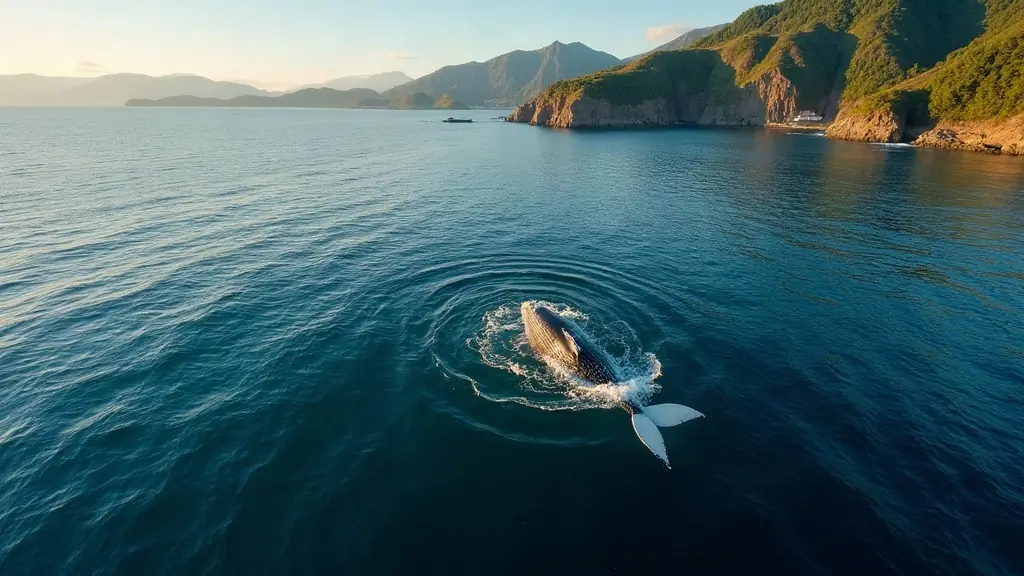
Compare tours in South Africa and book in minutes. Most offer free cancellation.
See tours in South Africa
