 New
NewKapstadt
Private Hermanus Whale Watching Boat Tour And Hemel En Aarde Wine Tasting Day Trip From Cape Town
Free cancellation10 hrs
from $275
Check availabilityNew New
New New
NewMore in South Africa: Cape Town All of South Africa
When whales are around, month by month.
Based on operators' peak-season sighting records.
Chance of seeing whales or dolphins in Hermanus in peak season
Based on 761 verified sightings logged in Hermanus: real records, not estimates.
Source: GBIF.org, which aggregates marine mammal observations from OBIS-SEAMAP, Happywhale & iNaturalist. Retrieved October 2026.
The whales and dolphins you can realistically spot here, ranked by how often they are recorded.
Hermanus whale watching works from dry land: for a few months each year, southern right whales swim into Walker Bay to calve so close to shore that you can watch a mother and calf roll past from a clifftop path, free of charge. Picture a 15-meter whale surfacing an easy stone's throw from the footpath, a calf tucked against her flank, while you stand on dry land with a coffee in hand. That mix of closeness and reliability is why Hermanus is routinely called the best land-based whale watching town in the world.
Covered here: when to come for the best odds, the four species you are likely to meet, where to stand or sail from, what a boat trip out of the New Harbour costs and includes, and how the free cliff-path option compares to paying for a closer look. Tour prices are snapshots of the trips we compare, and most book through Headout with free cancellation, which leaves room to move your dates.
The Hermanus whale watching season runs from June to November, and if you want the best odds, aim for August, September or October. Those three months are peak season, when southern right whales crowd Walker Bay to calve and nurse, and sighting rates from both the cliffs and the boats run around 90%. September in particular tends to bring the highest number of mother-and-calf pairs into the shallow, sheltered water close to shore.
June, July and November are the shoulder months. Whales are already arriving in June as the first pregnant females make landfall, and by November most have started their journey back south, so sightings are still good but noticeably thinner than at the August-to-October peak. Outside that window, from December to May, southern right whales are largely absent from Walker Bay, though Bryde's whales remain resident year-round for boat trips that go looking for them. If you are planning a trip around a specific month, our guide to the best time to go whale watching compares Hermanus against every other season we track.
The Whale Crier trick. Hermanus is the only town in the world with an official Whale Crier, a costumed guide who walks the cliff path in season blowing a coded pattern on a kelp horn to signal where whales have just been spotted along the bay. Follow the horn and you will usually end up where the whales are, at no cost.
Walker Bay and the wider Cape coastline bring together four cetaceans that between them cover almost every Hermanus whale watching trip, seen from the path or out on the water.
The whale that put Hermanus on the whale watching map. Southern right whales come into Walker Bay specifically to calve and nurse, often within meters of the cliff path, moving slowly and surfacing often as they rest in the shallows. Adults can reach 15 meters and weigh up to about 80 tons, with no dorsal fin and pale, roughened patches of skin called callosities on their heads that make individuals recognizable. NOAA Fisheries lists the southern right whale as endangered under the US Endangered Species Act, though the population that visits South Africa has recovered steadily since commercial whaling ended and is now one of the healthiest in the Southern Hemisphere.
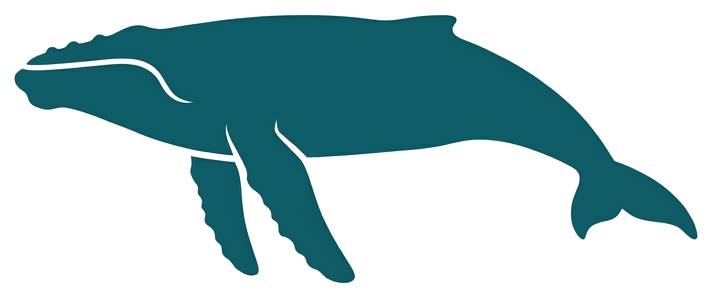
Humpbacks pass the Cape on their migration between Antarctic feeding grounds and warmer breeding waters further north, with the best chances in winter and spring as they travel close to the coastline. They are the acrobats of the group, known for breaching clear of the water and slapping long pectoral fins on the surface, and according to Whale and Dolphin Conservation they can reach 17 meters and use bubble-net feeding to trap fish in open water. A humpback off Hermanus is usually on the move, so tour guides watch the horizon for a distant blow and then follow.
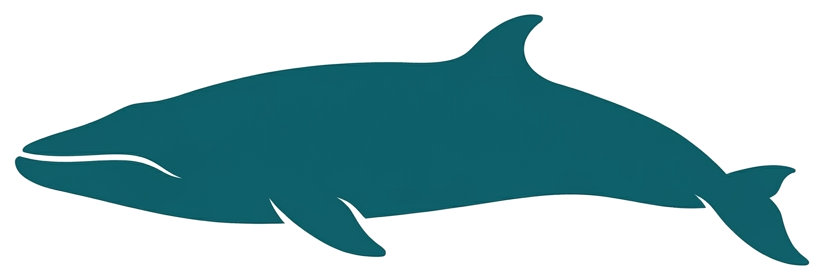
Unlike the seasonal visitors, Bryde's whales live along this stretch of South African coast year-round, which makes them the fallback sighting on a boat trip outside the June-to-November calving season. They are fast, sleek baleen whales, smaller than a humpback, that feed on shoaling fish and can appear suddenly and briefly before diving again. Spotting one takes a sharper eye than a resting southern right whale, but it is the species most likely to reward an off-season boat trip out of the New Harbour.
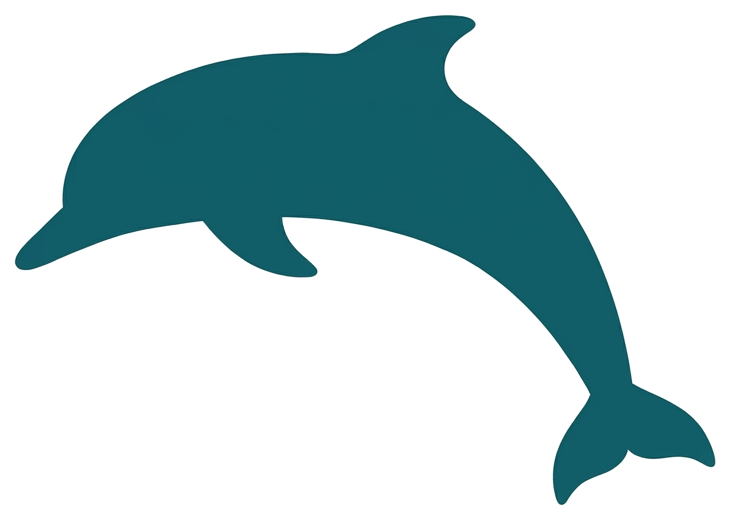
Common dolphins travel this coastline in large, fast-moving pods and are famous further along the South African coast for the sardine run super-pods that can number in the thousands. Around Hermanus they turn up in smaller groups, riding a boat's bow wave and breaking the surface in quick, splashy bursts that are easy to spot even at a distance. They add movement and energy to a boat trip between the slower, more deliberate surfacing of the resident whales.
Hermanus works two ways, and most visitors do both. The free option is the Cliff Path, roughly 12 kilometers of walkway that traces Walker Bay from one end of town to the other, with dozens of viewpoints where whales come close enough to watch without binoculars. It needs no booking or boat, which often makes it the best value in Hermanus whale watching. The paid option is a boat trip: permitted operators leave from the New Harbour and take you out into the bay itself, close enough (within the limits the law allows) to hear a whale exhale.
Boat trips from the New Harbour run under strict permit from South Africa's environment department and typically last a couple of hours, long enough to search several points of the bay and usually find southern right whales at close range in season, with Bryde's whales and common dolphins as a bonus most months. A short walk or drive away, the towns and reserves further along the Whale Coast add more viewpoints, but Hermanus itself remains the most concentrated stretch of shoreline for southern right whale sightings anywhere in the country. Many visitors combine a Hermanus day out with whale watching in Cape Town, about two hours away, where ocean safaris add seals and African penguins to the mix, or read our overview of whale watching in South Africa for how the whole coast fits together.
Watch from the clifftop path for free first, and pay for a boat only if you want to get closer.
A boat-based Hermanus whale watching tour starts at the New Harbour with a safety briefing before the boat heads out into Walker Bay. Because the whales themselves are often resting or nursing rather than actively feeding, the pace on the water tends to be unhurried: the skipper cuts the engine near a sighting and lets the whale set the distance, sometimes for twenty minutes at a stretch if a curious calf approaches the boat on its own. Guides narrate what you are seeing, from callosity patterns that identify individual whales to the difference between a resting blow and a diving fluke. Most of the tours booked out of Hermanus are structured as day trips that bundle the boat ride with other Cape highlights.
From about $141, with hotel transfers included and a stop at a nearby penguin colony. The most affordable way to combine a proper Hermanus whale watching boat trip with one of the Cape's other signature wildlife sightings in a single outing.
From about $215, a private transfer and boat trip that pairs Hermanus whale watching with a penguin colony visit and time in the surrounding wine region. Built for travelers based in Cape Town who want the whole day handled for them.
About 10 hours, from about $275. A private day trip from Cape Town that adds a proper wine tasting in the Hemel-en-Aarde valley just outside Hermanus to the boat-based whale watching, for a slower, more indulgent version of the same day out.
As a rule of thumb, the Hermanus whale watching tours we compare sit in a band of about $141 to $275, and the difference mostly reflects how much of the rest of the Cape gets bundled in. If your main goal is the boat trip, the $141 option covers it with only a short penguin stop added. If you want a full day built around Hermanus, the private options add wine and more wildlife for a higher price.
Check each Hermanus tour's price, duration and free cancellation terms in one list.
See the toursThe free cliff path already gives you a strong sighting, which makes this easier than in most whale watching destinations. You still need to pick when to go, whether to add a boat, and which day trip fits your plans.
Walker Bay catches a steady wind off the Atlantic even on a sunny winter day, and it is stronger both on the open cliff path and on a moving boat. Bring a windproof layer and something for your ears, and pack layers you can add or shed as the day warms up.
Because Hermanus whale watching works so well from land, there is no need to book a boat trip on your first day. Walk a stretch of the path near the Old Harbour Museum or the New Harbour first, see what is close to shore, and decide from there whether the boat is worth it for you.
The annual Hermanus Whale Festival, held in late September or early October, lines up with peak whale season and turns the town's whale watching into a proper event, with stalls, music and crowds along the cliff path. Book accommodations well ahead if you want to combine the festival with your trip.
Whales here can be startlingly close, but binoculars still help you pick out details like callosity patterns or a calf tucked against its mother further down the bay. A camera with some zoom helps too, though many of the best moments happen closer than any lens needs to be.
Boat-based whale watching in South Africa is tightly regulated: operators need a permit issued under national marine wildlife rules that set a minimum approach distance and leave it to the whale to come closer. Book through operators who hold a current boat-based whale watching permit and let the animals set the pace.
Come between August and October if you can, walk the Cliff Path first and follow the Whale Crier's horn, add a New Harbour boat trip if you want a closer look, and book early with free cancellation as your safety net. From the cliffs the whales come to you, which is rarely true of a whale watching trip in other places.
Whale season in Hermanus runs from June to November, when southern right whales enter Walker Bay to calve and nurse. August to October is the peak, with sighting rates around 90% from both the cliffs and the boats, and September usually brings the most mother-and-calf pairs close to shore.
Yes, and it is what Hermanus is famous for. A free clifftop Cliff Path runs about 12 kilometers along Walker Bay, where southern right whales surface within meters of the walkway. The town also employs the only official Whale Crier in the world, who blows a kelp horn to signal fresh sightings.
Mornings are usually the better bet, since the wind off Walker Bay tends to be lightest early in the day, keeping the water calmer and clearer for spotting blows. Hermanus whales rest and nurse close to shore throughout the day, though, so you can watch from the free Cliff Path any time and follow the Whale Crier's horn to the action.
Watching from the Cliff Path is free. Boat trips from the New Harbour start from about $141 per person with a penguin colony stop, rising to around $275 for private full-day tours from Cape Town that add wine tasting. Most sit in the $141 to $275 band depending on how much of the Cape gets bundled in.
Bookings are processed through Headout, which partners with vetted Hermanus operators. Whale Watching is an independent affiliate site. We may earn a small commission if you book through a link here, at no extra cost to you.
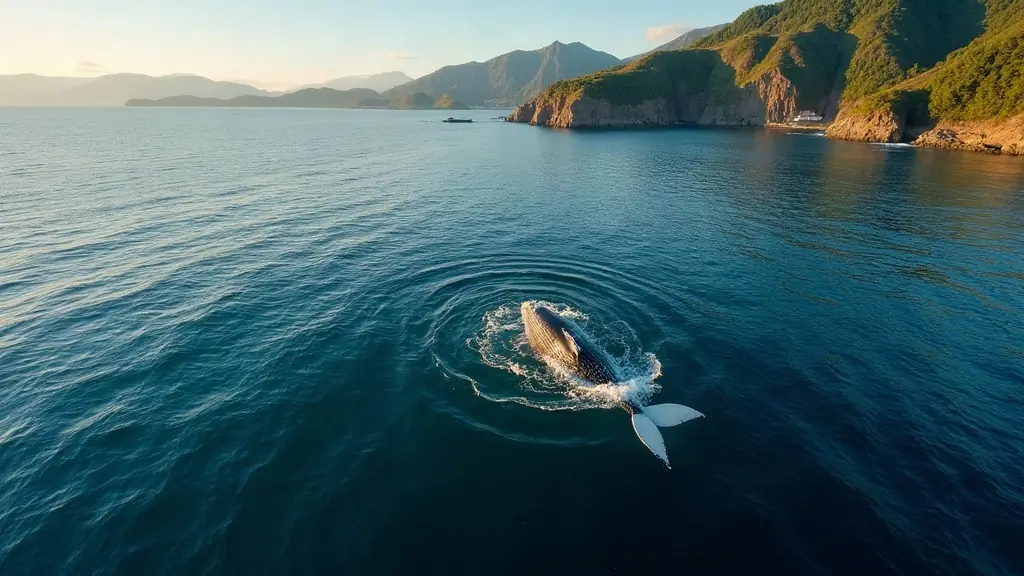
Compare tours in Hermanus and book in minutes. Most offer free cancellation.
See tours in Hermanus