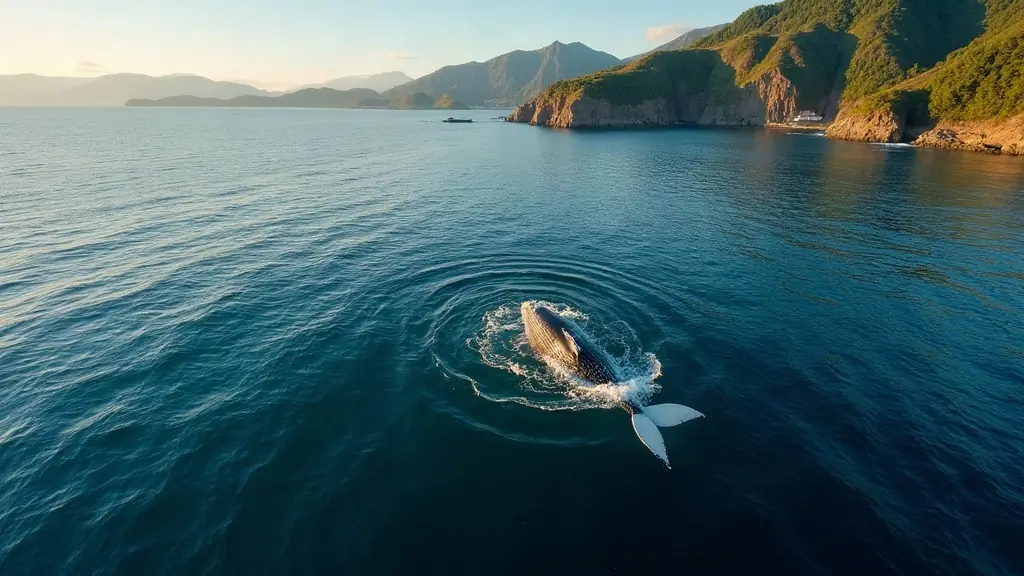
See the giants of the open ocean.
Pick a country and compare small-group whale watching tours: prices, reviews, best-time calendars and free cancellation, booked through our partner Headout.
- IcelandReykjavik · Husavik · Akureyri 23 tours
- NorwayTromso fjord safaris 7 tours
- SpainCanary Islands 14 tours
- PortugalAzores 5 tours
- AustraliaSydney · Gold Coast · Perth 24 tours
- New ZealandKaikoura · Auckland 7 tours
- CanadaVancouver · Victoria orcas 4 tours
- United StatesHawaii · Alaska · California · Boston · Seattle 19 tours
- South AfricaHermanus · Cape Town 3 tours
- No match. Try all destinations
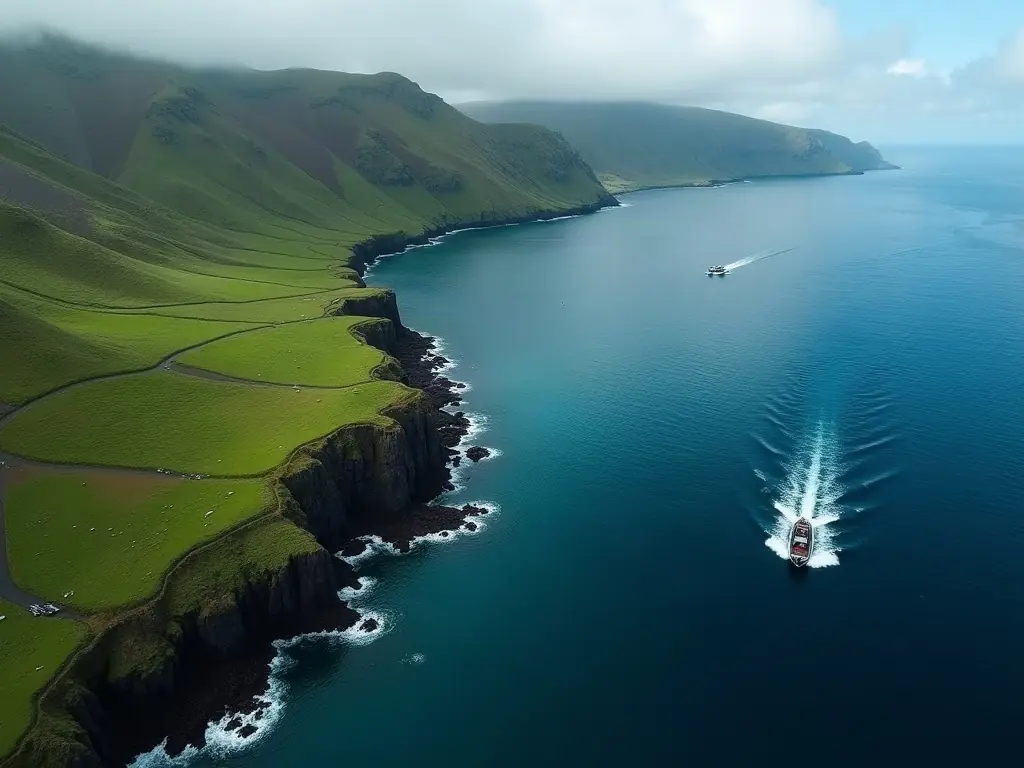
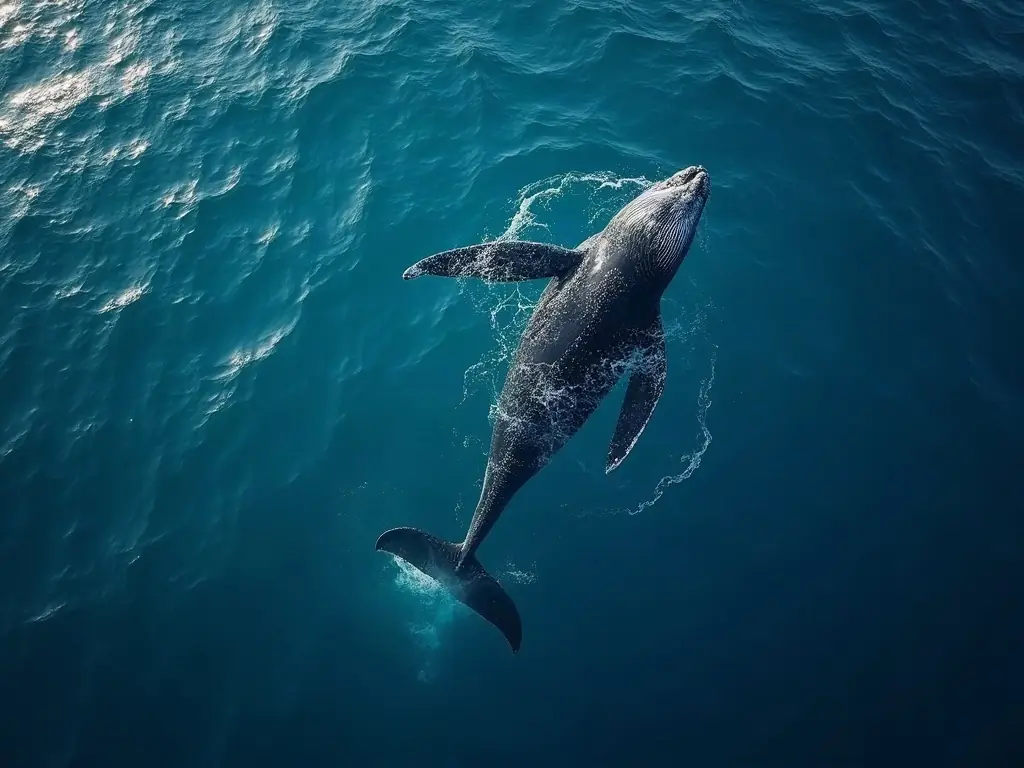
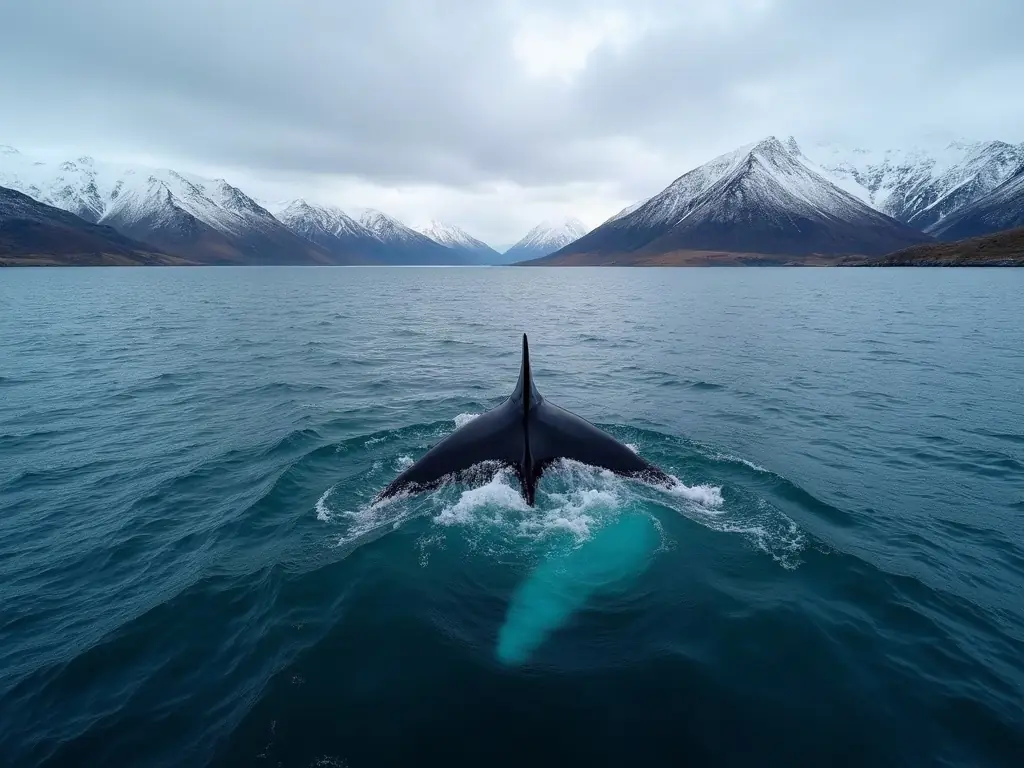
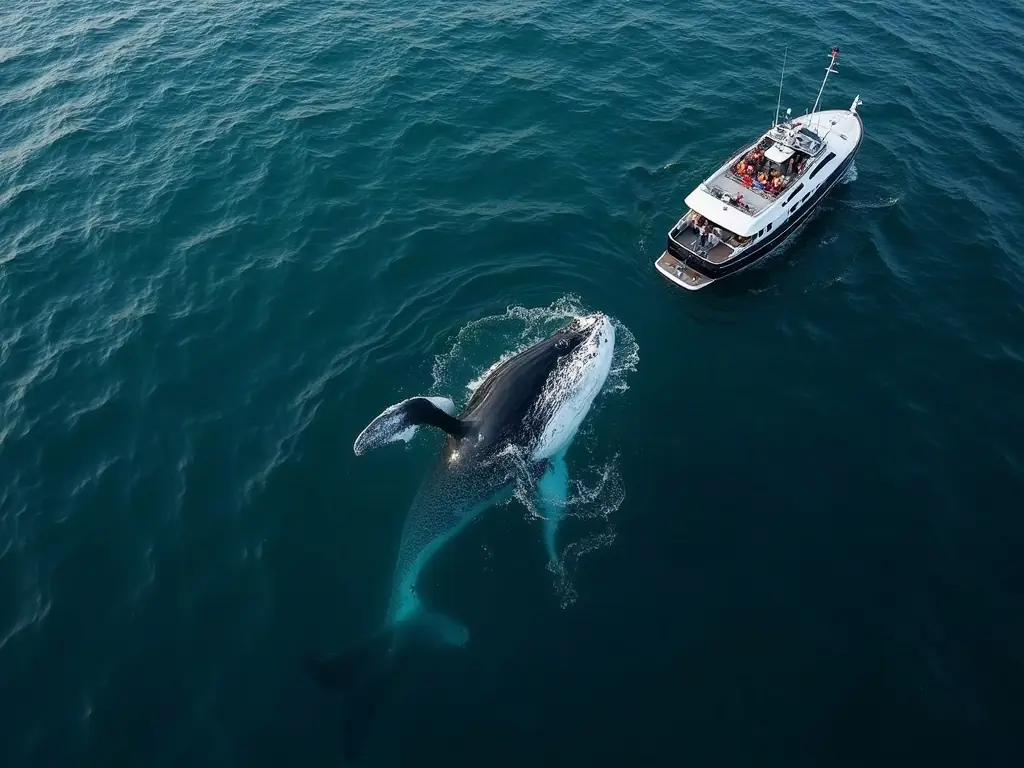
Browse whale watching by destination
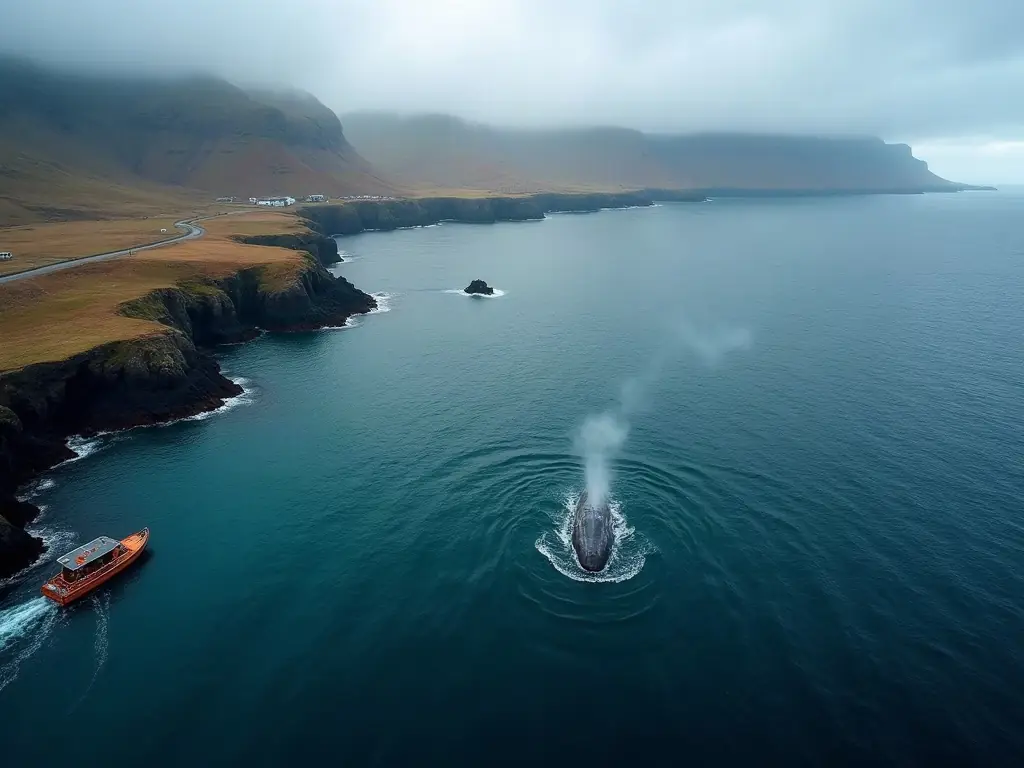
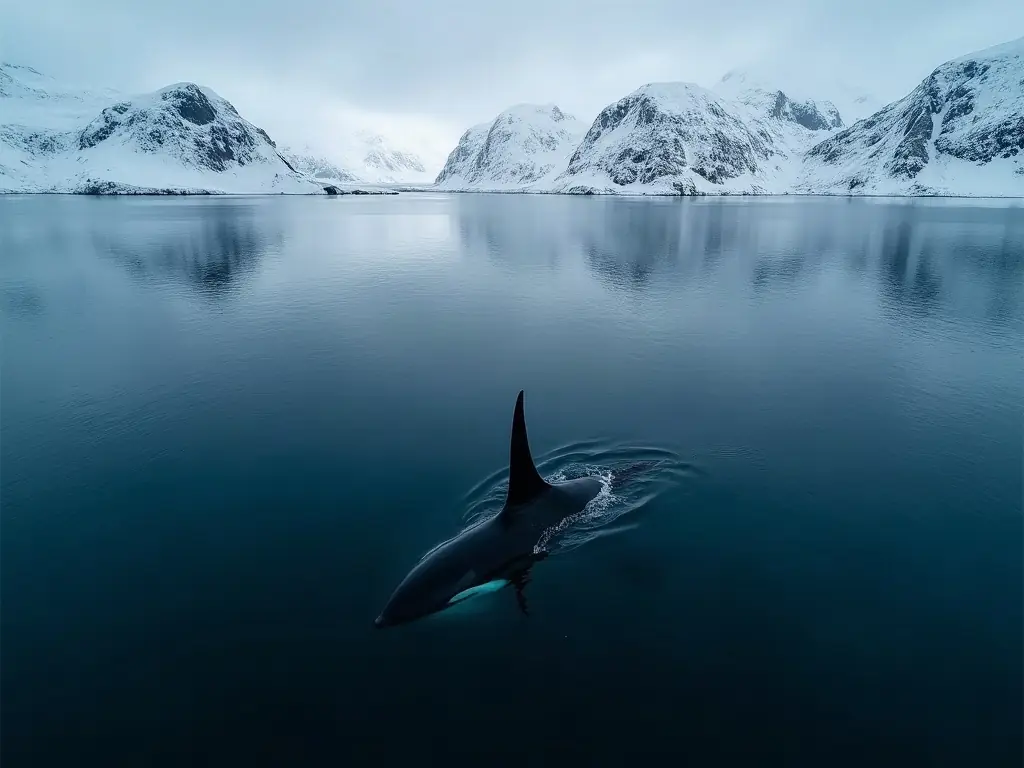
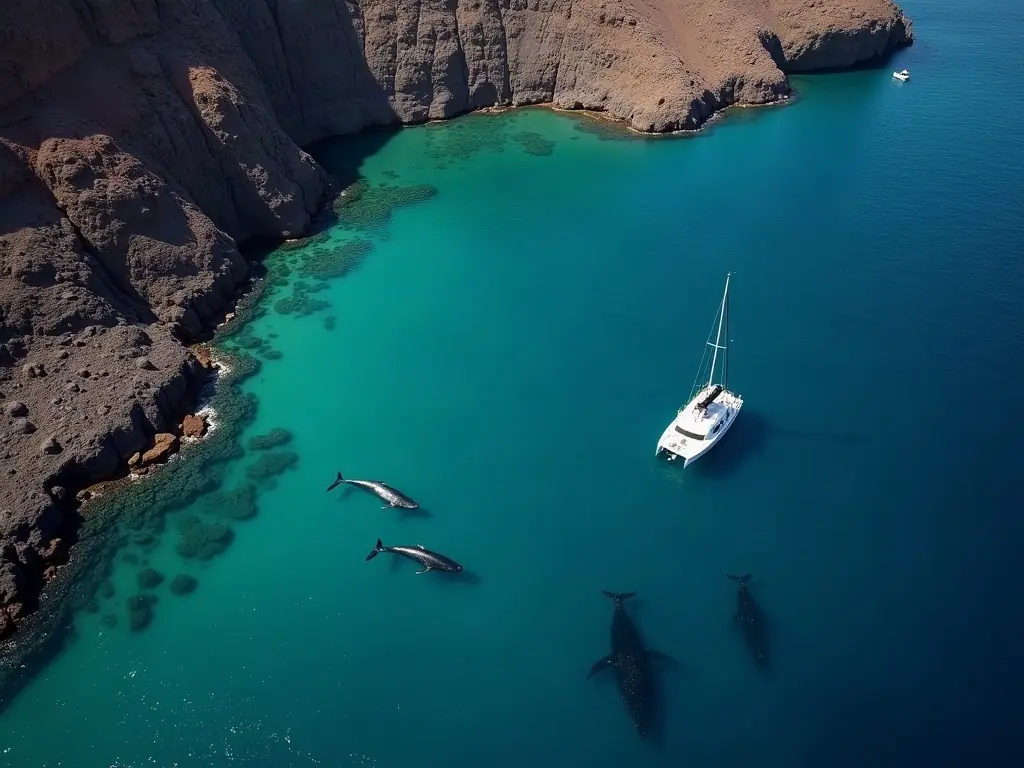

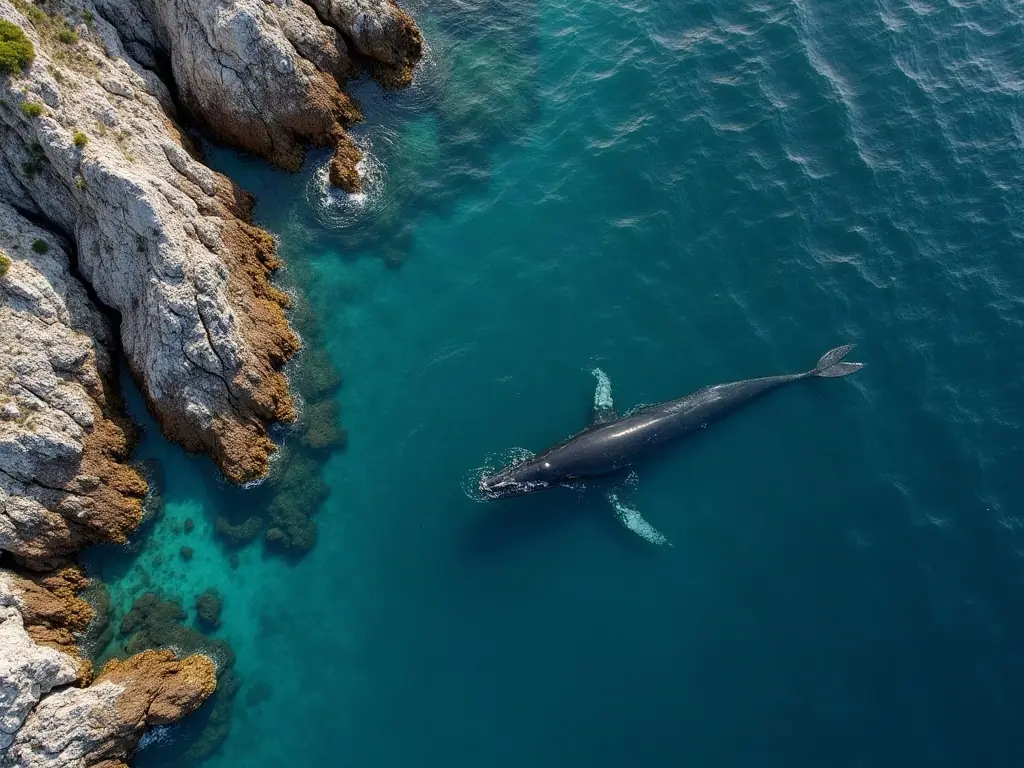
Not sure when to go?
Whales follow the seasons. Our interactive best-time tool shows which destinations are in peak season any month of the year, with sighting odds and tours.
Book a tour in three steps
No account needed. Every booking runs through Headout's secure checkout.
Pick your destination
Browse by region or city and check the best-time calendar for when whales are around.
Compare times & boats
Check ratings, boat type and what's included, such as snacks, transfers or a marine-biologist guide.
Book securely via Headout
You're redirected to Headout's checkout for instant confirmation and easy cancellation.
Whale watching: the world's best wildlife encounter, one boat ride away
Whale watching puts you eye to eye with the largest animals that have ever lived: a 40-ton humpback rolling past the hull, orcas cutting the surface in formation, a blue whale's blow rising like a small geyser on the horizon. You go looking for a wild animal on its own terms, in open water, with no fence and no guarantee, and the not-knowing is part of why a sighting lands so hard. Every season, somewhere on earth, whales are doing something worth a boat trip: feeding, migrating, calving, or passing close enough to a coastline that a two-hour cruise can find them.
This site exists to make that trip easy to plan well. We compare bookable whale watching tours across dozens of destinations, with their prices, ratings, and season-by-season sighting data drawn from recorded cetacean sightings, so you can pick a place and a month with some confidence.
Whale watching season by season: somewhere is always in peak
Whales migrate on a calendar tied to feeding and breeding grounds, so whale watching's peak season moves around the globe through the year. Northern-hemisphere summer, June through August, suits a cluster of cold-water destinations: Iceland's humpbacks and minke whales feed hardest then, Alaska's Inside Passage fills with humpbacks bubble-net feeding around Juneau, and Boston's tours reach Stellwagen Bank for humpbacks, finbacks and minkes at their most active.
Northern winter flips the map. Hawaii's peak season runs January through March, when thousands of North Pacific humpbacks arrive in the warm, shallow channels around Maui and Oahu to breed and calve, a near-certain sighting at close range. The southern hemisphere is meanwhile in its own winter and spring, June through October, when tens of thousands of humpbacks travel Australia's coast on the nicknamed Humpback Highway, and South Africa's Hermanus sees southern right whales calve within meters of the cliffs.
A handful of destinations sidestep the calendar almost entirely. Tenerife's sheltered strait holds resident pilot whales in warm water every month, and Kaikoura pairs resident sperm whales with huge pods of dusky dolphins in every season. California has no off month either, with gray whales passing in winter and spring and blue and humpback whales feeding offshore in summer. The Azores come close: sperm whales live offshore all year, though most boats run from spring to autumn, when migrating blue and fin whales add a bonus. Our best time for whale watching guide lines every destination's season up side by side.
There is no single "whale season." There are a dozen local ones, each tied to a different migration, feeding ground or nursery, and once you see the pattern, planning a trip around a specific species and month gets a lot easier than picking a destination first and hoping.
The whales and dolphins you'll actually see
A handful of species account for most whale watching encounters worldwide, and each one has its own signature behavior worth knowing before you board.

Humpback whale
The species most trips are built around, and the most acrobatic: humpbacks breach, slap tails and lift their flukes before a deep dive. They summer to feed off Iceland, Alaska and Boston, winter to breed off Hawaii, and migrate along entire coastlines in between, which is why they headline tours in Australia and turn up off South Africa too.
Orca (killer whale)
The largest member of the dolphin family and an apex predator, traveling in tight family pods. Resident and transient pods patrol the waters around Vancouver and coastal Alaska, and orcas hunt rays and dolphins year-round off Kaikoura. A pod surfacing in formation, dorsal fins slicing the water together, stays with you long after a whale watching trip ends.
Sperm whale
The largest toothed predator on earth, a deep diver that can hunt squid for an hour before surfacing to breathe. Sperm whales are year-round residents off the Azores and Kaikoura, where shore spotters or a deep offshore canyon make sightings unusually reliable for such a hard-to-find species.
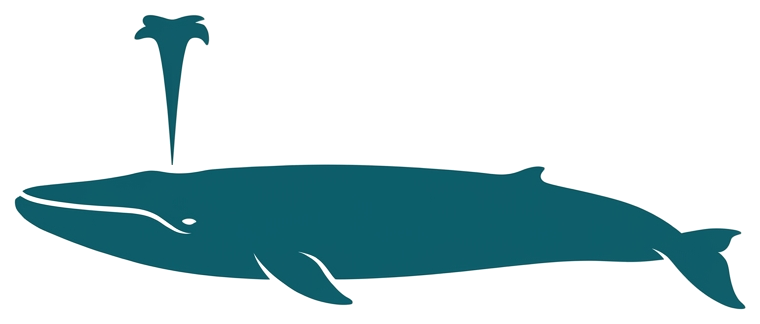
Blue whale
The largest animal that has ever lived, reaching roughly 90 feet and feeding almost entirely on krill. Blue whales are a rare summer treat in Iceland's north, a spring migrant through the Azores, and a regular summer resident off California, one of the more dependable places to find one.
Gray whale
A coastal migrant on one of the longest journeys of any mammal, traveling between winter breeding lagoons and summer Arctic feeding grounds. California watches them pass close to shore in winter and spring, and a smaller number pass Alaska on the same route.
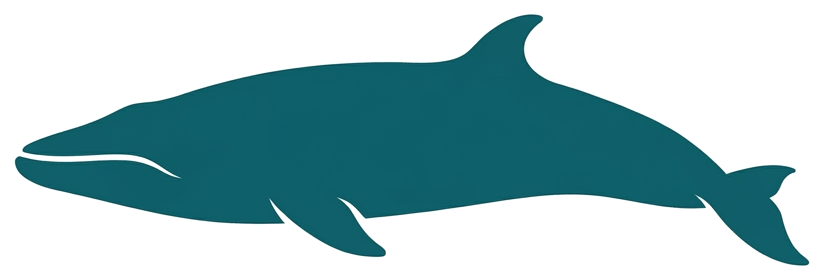
Minke whale
The smallest of the great whales, usually alone or in small groups, showing a sleek dark back and a small curved fin. Minkes are the most dependable sighting in Iceland from April on, and turn up regularly off Boston and Vancouver too.
Southern right whale
A slow-moving, coastal species that comes remarkably close to shore to calve, making it one of the best whales to watch from land as well as by boat. South Africa's Hermanus is built around it, calving in Walker Bay from June to November, and it also visits Australia's southern coast in winter and spring.
Pilot whale
A large dolphin despite the name, traveling in tight, stable pods and named for the way one whale seems to lead the group. Tenerife holds a resident population of roughly 400 pilot whales in its sheltered strait, seen on tours in every month of the year.

Dolphins
The marine wildlife most likely to put on a show: white-beaked dolphins bow-riding in Iceland, common dolphins in super-pods off Australia and California, dusky dolphins leaping at Kaikoura, and bottlenose and spotted dolphins riding the bow off Tenerife. On many tours, dolphins are what everyone remembers even when whales were the plan.
Every month has a whale watching season somewhere. Pick the destination that fits the month you have.
How to choose a whale watching destination and boat
With dozens of coastlines to choose from, the decision usually comes down to four questions: when can you travel, which species do you most want to see, how close to shore do the whales need to be, and how much water you are willing to cross to reach them. Planning around a month and a species first tends to produce better sighting odds. Our whale watching destinations guide breaks down every region we cover, and hubs like whale watching in Iceland and whale watching in Hawaii go deep on the departure towns, seasons and prices within a single country.
- Start with the month you can travel.Work backward from your dates to whichever destinations are at peak season then, and leave the bucket-list place for a year when its timing fits.
- Pick the species that matters most to you.Want acrobatics? Humpbacks breach more than any other whale. Want a near-guarantee? Resident populations, like sperm whales at the Azores or pilot whales at Tenerife, are seen in every month of the year.
- Match the boat to your stomach and your budget.A larger classic boat or catamaran is steadier, roomier and usually cheaper. A small RIB speedboat gets you closer, but feels every wave, and costs more.
- Book early, with free cancellation.Peak-season departures, especially small-group and specialty tours, fill up first. A date you can still cancel costs nothing and protects you against a forecast that turns bad.
- Weigh ratings and reviews alongside price.A tour with hundreds of solid reviews and a consistent rating is a better bet than one that is a few dollars cheaper with no track record.
Line up whale watching tours by destination, price, boat, duration and free cancellation.
See the toursWhy compare whale watching tours here
Every tour listed on this site is a bookable trip. We pull its listed price, durations, star ratings and review counts, so you can compare a $46 Boston harbor cruise against an $86 New England Aquarium naturalist tour, or a $76 Sao Miguel boat trip against a $128 Azores swim-with-dolphins excursion, on the same page, in the same terms. Prices range from around $15 for a short sightseeing add-on up to several hundred dollars for full-day combos and private charters, and our guidance sticks to the realistic core band in between. Our full whale watching tours list lets you filter all of them by destination, price and boat type.
The season calendars behind our month-by-month recommendations are built on cetacean sighting records, the kind that biologists and citizen-science projects like GBIF, OBIS and Happywhale collect from encounters at sea. The sighting-probability figures are a separate number, based on operators' peak-season sighting records: that is where Iceland's peak-season rate of about 96% comes from, and Hawaii's 99% at the height of winter. Most tours we list can be booked through Headout at no extra cost over booking direct, and most offer free cancellation, so reserving a peak-season date locks in your plan without locking you into it.
Getting the most out of your whale watching trip
Dress for the water, not the forecast
Open water is colder and windier than the shore, whatever the season, and a boat's own speed adds a wind chill on top. A windproof layer, a hat and something for your hands make a two or three hour trip far more comfortable, warm-climate destinations included.
Bring binoculars, not just a camera
The first sign of a whale is almost always a distant blow, and binoculars turn that puff on the horizon into a clear view of the animal. Save the camera for once the whale is close; a fast shutter beats a tripod on a moving deck.
Choose an operator that lets whales set the pace
Responsible operators keep their distance and let a whale choose whether to come closer. Codes of conduct like the one Iceland's IceWhale association follows exist for this reason, and a boat that markets a quiet, low-impact approach is usually worth booking.
For a good whale watching trip, pick the right month for the species you want, choose a boat that suits your stomach and your budget, and book a date you can still change your mind about. After that it is up to the whales, and more often than not they show up.
Frequently asked questions
It depends on the destination. Humpbacks feed off Iceland roughly May to September, Norway's orcas and humpbacks gather November to January, and Hawaii hosts humpbacks December to April, while Tenerife's pilot whales and Kaikoura's sperm whales can be seen year-round. Each destination page has its own month-by-month calendar.
For popular routes and peak season, booking a few days ahead is wise, especially for smaller boats. Most tours offer free cancellation, so reserving early with the option to change plans carries little risk.
Peak-season sighting rates on the routes we compare run from about 90% to 99%, but wildlife is never guaranteed. Many operators offer a free repeat trip or partial refund if no whales are spotted. Check the tour's policy on its Headout page.
Bookings are processed through Headout, which partners with vetted local operators. Whale Watching is an independent affiliate site. We may earn a small commission if you book through a link here, at no extra cost to you.
Ready to find your whale?
Compare tours across 13 destinations and book in minutes, with free cancellation on most.
Browse all tours