Vancouver
Victoria Whale Watching Tours By Covered Boat
Free cancellation3 hrs
from $156
Check availability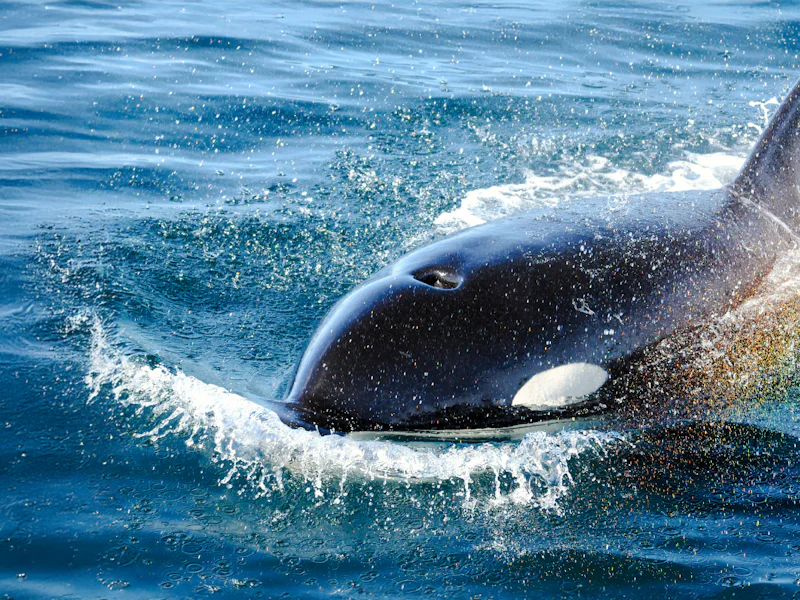
Vancouver
Victoria Whale Watching Tours By Open Air Boat
Free cancellation3 hrs
from $148
Check availability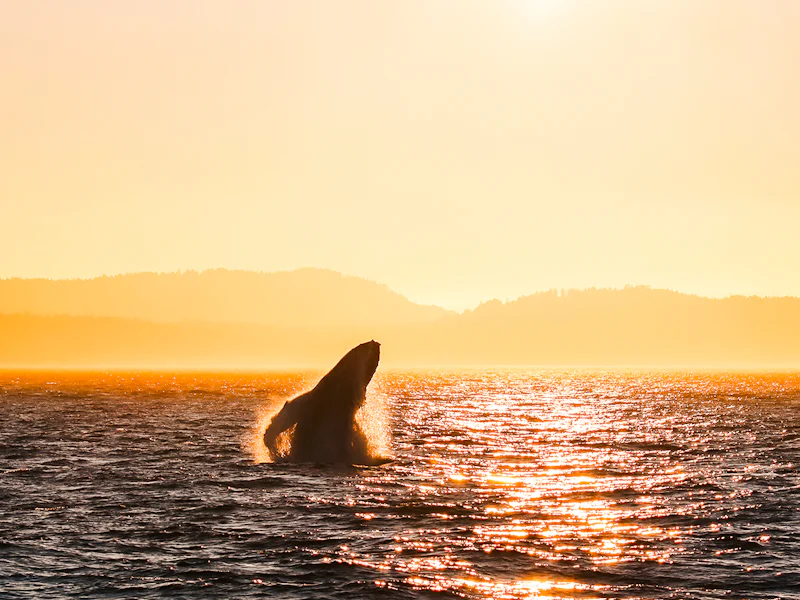
Plan your trip
When to go & what you'll see in Canada
Best time to go
When whales are around, month by month.
J
F
M
A
M
J
J
A
S
O
N
D
Peak seasonGoodOff-season
Sighting probability
Based on operators' peak-season sighting records.
Chance of seeing whales or dolphins in Canada in peak season
Real sightings by month
Based on 23,836 verified sightings logged in Canada: real records, not estimates.
Source: GBIF.org, which aggregates marine mammal observations from OBIS-SEAMAP, Happywhale & iNaturalist. Retrieved October 2026.
What you'll see
The whales and dolphins you can realistically spot here, ranked by how often they are recorded.
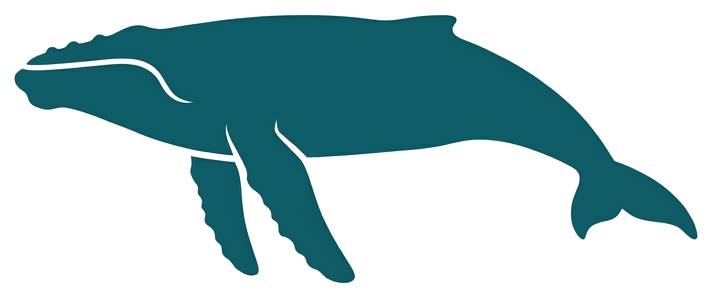
Humpback whaleA fast-growing summer population.17,826 sightings
OrcaResident and transient killer whales patrol the strait.4,978 sightings
Grey whalePasses on migration in spring.906 sightings
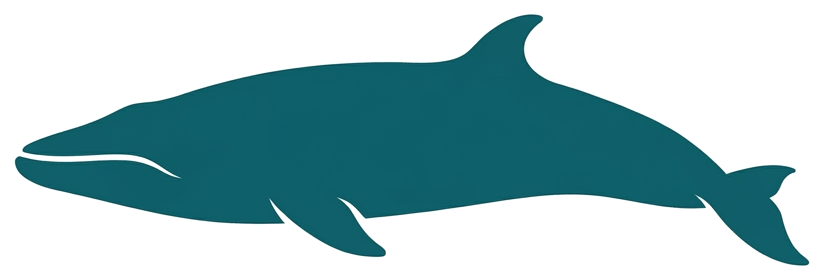
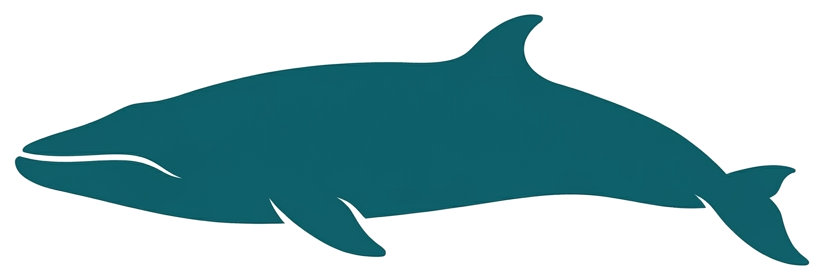
Minke whaleSmall and elusive, seen through the season.126 sightings
By location
Whale watching cities in Canada


Canada whale watching: orcas of the Salish Sea
Canada whale watching around Vancouver Island means one thing above all else: orcas. The Salish Sea, the tangle of straits and channels between the British Columbia mainland and Vancouver Island, is where you can watch killer whales hunt, travel and breach in open water, and sighting rates through the summer run at about 96%. Picture a good July afternoon in the Strait of Georgia or the Juan de Fuca Strait: a tall black dorsal fin cuts the surface fifty yards off the bow, then a second, then a third, a family of orcas moving together through water so calm it looks poured.
Below is British Columbia's Salish Sea region month by month, the whales and other marine wildlife you are most likely to meet, the two departure hubs of Vancouver and Victoria (each with its own detailed page), what a typical tour costs and includes, and how to choose the right boat. The prices quoted are a snapshot and can move. Every tour books through Headout with free cancellation, so a peak-summer date you hold now can still be dropped later at no cost.
~96%peak-season sighting rate
4whale species regularly seen
2departure hubs
$148+real tours compared
Best time for whale watching in Canada
The short answer is May through September. Those five months are the peak of the Canada whale watching season on the Salish Sea, with sighting rates around 96% as orcas, humpbacks and minke whales all use these waters at once. July and August are the busiest weeks for boat traffic and for whales alike, with long daylight hours that stretch the viewing window at both ends of the day.
April and October are solid shoulder months. The water is a little cooler and the crowds thinner, but resident and transient killer whales are both regularly reported, and gray whales are still finishing their spring migration past the outer coast into April. If you are weighing British Columbia against other whale destinations for a specific month, our guide to the best time for whale watching lines up the seasons side by side.
November through March is the off season for the classic Salish Sea day tour. Fewer boats run, and the weather turns wetter and rougher.
Two very different orcas share the same water. The endangered Southern Resident killer whales are salmon specialists, three tight-knit family pods that follow Chinook runs through the Salish Sea and are down to roughly 74 individuals, according to Fisheries and Oceans Canada. The Bigg's killer whales, once called transients, are mammal hunters that feed on seals and porpoises and have become steadily more common in these same channels over the past two decades. Guides can usually tell you within minutes which type you are watching, and the story behind each fills a good part of the commentary on a British Columbia whale watching trip.
What whales you'll see in Canada
Four species make up the vast majority of encounters on a Salish Sea whale watching trip, and between them they cover a diet of salmon, seals and krill. NOAA Fisheries notes that the fish-eating and mammal-eating ecotypes found here do not interbreed, which is part of why naturalists treat them as such distinct stories.
Orca (killer whale)
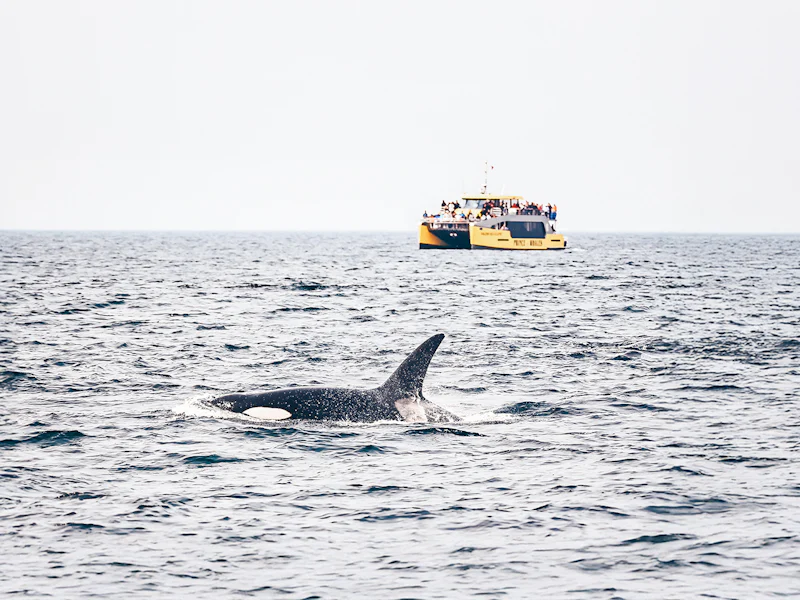
The reason most people book a Canada whale watching tour. Resident and transient killer whales patrol the strait in family groups, tall dorsal fins breaking the surface in tight formation. The endangered Southern Resident population sticks to salmon, mainly Chinook, while the increasingly common Bigg's killer whales hunt seals and porpoises and can appear anywhere in the Salish Sea. On a good day you may watch a pod travel with a calf tucked close to its mother.
Humpback whale
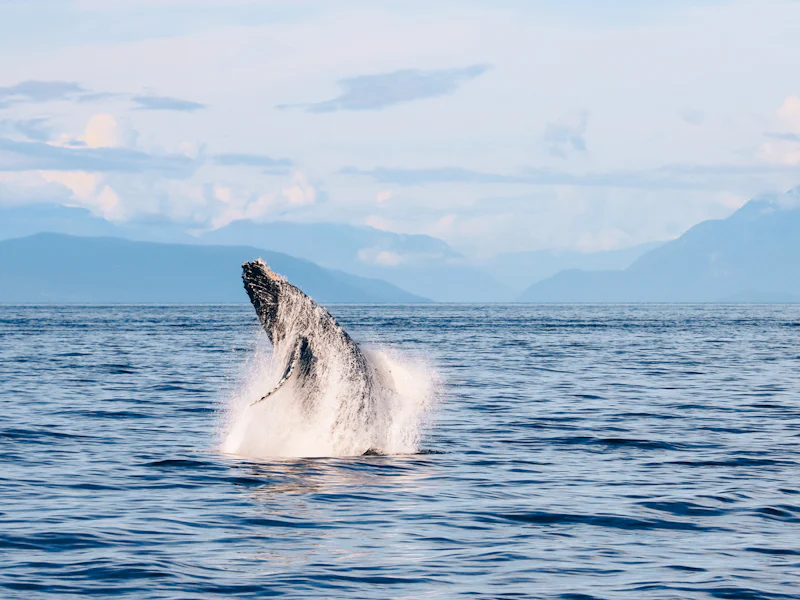
A conservation success story: a fast-growing summer population that was barely seen in these waters a generation ago and is now a regular sighting from May to September. Adults can reach 50 feet, and they surface to breathe in slow, rolling sequences before a deep dive marked by a raised tail fluke. According to Whale and Dolphin Conservation, humpbacks are known for breaching, tail slapping and long, complex songs, and Salish Sea guides now log them on a large share of summer trips.
Minke whale
Small, elusive and easy to miss if you are not watching closely. The minke is the smallest of the great whales likely to turn up here, usually alone, surfacing with a low, quick roll and a small curved dorsal fin. They are seen through the whole season rather than concentrated in one month, so a sharp-eyed guide matters more than the calendar for this one.
Gray whale
A spring passerby rather than a summer resident. Gray whales move north along the outer coast on one of the longest migrations of any mammal, and a few linger to feed in shallow water before continuing toward Alaska. Your best chance of one is a spring departure timed to that migration.
Where to go: Canada's whale watching departure points
Two cities cover nearly all Salish Sea whale watching, and they suit different trips. Each has its own page with the local tours, prices and seasons broken down in detail.
Vancouver and the Strait of Georgia
- Best for: City itineraries
- From $186
- Strait of Georgia
Boats leave Vancouver and run out through the Strait of Georgia into prime orca and humpback water, which makes a whale watching trip an easy add-on to a city stay. Classic covered-boat tours run about 3 hours, from around $186, with responsible-viewing operators following Be Whale Wise distance rules once whales are found. It is a longer run to the open water than from Victoria, but you never have to leave the city. Read the full guide to whale watching in Vancouver for the complete tour lineup.
Victoria and the Juan de Fuca Strait
- Best for: Fast access to orca waters
- From $148
- San Juan & Gulf Islands
Victoria, at the southern tip of Vancouver Island, sits closest to the San Juan Islands and the Juan de Fuca Strait, the core of Southern Resident and Bigg's killer whale range, so crossings here reach the prime viewing areas faster than from anywhere else in the region. There are two boats to choose from: a 3-hour covered-boat tour from about $156 and the same route on an open-air Zodiac from about $148, both about three hours dock to dock. If Canada whale watching is the whole point of your visit, Victoria is the shorter, more direct route to the orcas. See our page on whale watching in Victoria for the details.
Two orca stories share one stretch of water here: the endangered Southern Residents chasing salmon, and the once-rare Bigg's killer whales that have become the Salish Sea's most reliable sighting.
What a Canada whale watching tour is like
Most Salish Sea tours run 3 to 4 hours and follow a similar shape: a safety briefing at the dock, a run out to wherever pods have been reported that morning by a shared network of spotters, then an open stretch of searching and watching before the return leg. Naturalist guides narrate as you go, calling out blows, dorsal fins and the difference between a resident and a Bigg's killer whale before most passengers would notice anything at all. Two broad boat types shape the feel of the trip more than the port does:
Covered boats
About 3 hours, from around $156 in Victoria and $186 in Vancouver. Stable, sheltered from wind and spray, with indoor seating alongside open deck space. The comfortable default for families, older travelers and anyone who wants a dry seat in reserve.
Open-air Zodiacs
About 3 hours, from around $148 in Victoria. Smaller, faster and lower to the water, which puts you closer to the action but exposed to wind, wake and spray the whole way. Better suited to travelers who want an active, hands-on feel and do not mind getting wet.
As a rule of thumb, the core Salish Sea tours sit in a band of about $148 to $194, with covered boats and Zodiacs priced close together and a 4-hour sunset tour, from about $194, at the top of that range. With no cheap outlier or luxury option in the mix, boat style and departure time matter more than budget.
See all the Canada tours side by side, with price, boat, duration and free cancellation for each.
See the toursHow to choose the right Canada whale watching tour
Most people come for a pod of orcas moving through calm water, close enough to hear the exhale. Getting that comes down to your port, your dates and your boat.
- Pick the port that fits your route.Staying in Vancouver? Book locally and enjoy the shorter travel day. Flying into or based on Vancouver Island? Victoria puts you closer to the San Juan and Gulf Islands, where sightings are most concentrated.
- Book peak dates early.May to September is when the Salish Sea sighting rate holds around 96%, and it is also when boats fill fastest, especially sunset and Zodiac departures. Most tours let you cancel free, so the only cost of waiting is a smaller choice of times.
- Covered boat or open Zodiac?A covered boat is steadier, drier and better for kids or a nervous stomach. A Zodiac sits you lower and closer to the water for a faster, more physical trip. Choose based on how much wind and spray you want.
- Morning or afternoon departure?Spotter networks track pod locations through the day, so a later departure often means a more confirmed route to where whales already are, while a morning trip can mean calmer water before any afternoon wind picks up.
- Look at ratings before price.Tours we compare range from 4.2 to 5.0, backed by anything from a handful to well over a hundred reviews. Booking through Headout lets you compare formats, read reviews and hold a date with free cancellation on most listings.
Tips for whale watching in Canada
Dress for open water, not the harbor
The Strait of Georgia and the Juan de Fuca Strait are colder and windier than the shoreline suggests, especially on a Zodiac. Bring a windproof layer, a snug hat and something warm for your hands. Layers you can add or shed matter more than any single heavy coat.
Zodiacs reward a little preparation
If you are booked on an open-air boat, expect spray and some bouncing at speed. Waterproof your phone or camera, secure loose items, and take any seasickness remedy at the dock, before the boat starts moving. Covered boats are the gentler choice if you are unsure.
Bring binoculars and a long lens
Distances in the open strait can be greater than they look, and a distant dorsal fin becomes a clear view of a whale's markings with a good pair of binoculars. For photos, skip the tripod and use a fast shutter speed; a longer lens pays off when a pod stays a respectful distance away.
Choose an operator that follows Be Whale Wise
Salish Sea operators are guided by the Be Whale Wise code, backed by the Pacific Whale Watch Association, which sets minimum viewing distances and speed limits around orcas and other marine mammals. Choosing a member operator means the boat holds its distance even when a better photo is one throttle push away.
Your sighting can support real research
Southern Resident killer whales are individually identified by their saddle patches and fin shape, and researchers track the same families year over year to monitor the population's recovery. Many boats photograph dorsal fins for this reason, so the pod you watch off Victoria may already be known by name to biologists on both sides of the border.
The simple recipe
May to September is the window. Vancouver is the convenient port and Victoria the short run to the orcas; a covered boat keeps you dry and a Zodiac does not. Book early, keep free cancellation as a fallback, and use the same approach for every whale watching trip you take next.
Good to know
Canada whale watching FAQ
May to September is the peak, when orcas, humpbacks and minke whales all use the Salish Sea at once and sighting rates run around 96%. April and October are solid shoulder months, while winter is quiet. Vancouver and Victoria, on Vancouver Island, are the two main departure hubs. The month-by-month calendar above breaks it down.
It depends on your trip. Victoria sits at the southern tip of Vancouver Island, closest to the San Juan Islands and Juan de Fuca Strait, so its crossings reach the prime orca waters fastest. Vancouver trips run longer out through the Strait of Georgia but let you keep a downtown base. Both log strong summer sightings.
Four species make up most encounters: orcas, humpbacks, minke whales and, in spring, grey whales passing on migration. Orcas are the main draw, with both salmon-eating resident killer whales and mammal-hunting transient killer whales sharing the Salish Sea, while a fast-growing humpback population is now a regular summer sighting. In peak season the chance of a sighting is about 96%.
Canada tours start from about $148 per person, with most falling in the $148 to $194 range depending on the boat, trip length and extras. Covered boats are steadier and drier for families, while open-air Zodiacs sit lower and reach the whales faster, so the choice comes down to comfort and departure time.
Bookings are processed through Headout, which partners with vetted local operators. Whale Watching is an independent affiliate site. We may earn a small commission if you book through a link here, at no extra cost to you.
Ready to find your whale in Canada?
Compare tours in Canada and book in minutes. Most offer free cancellation.
See tours in Canada