 BestsellerBestseller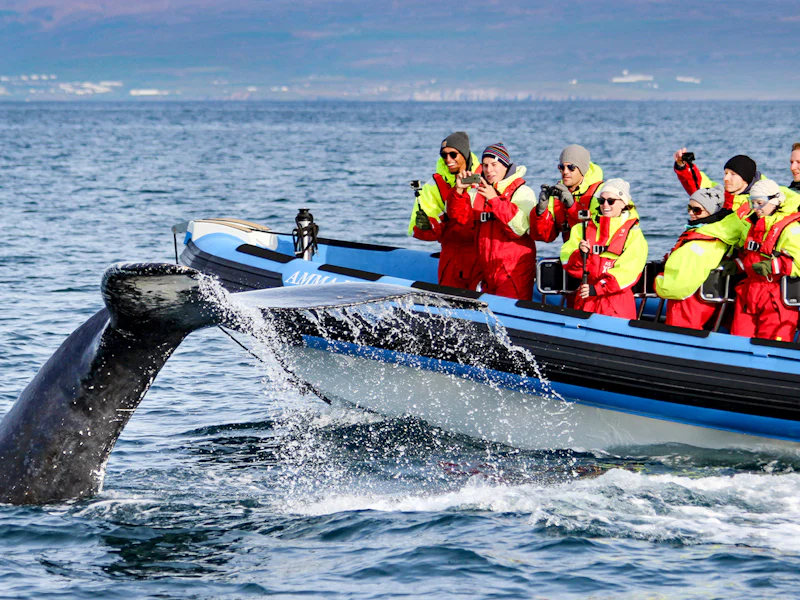
Reykjavik
From Husavik Whale Watching On RIB Speedboat
Free cancellation2 hrs
from $173
Check availability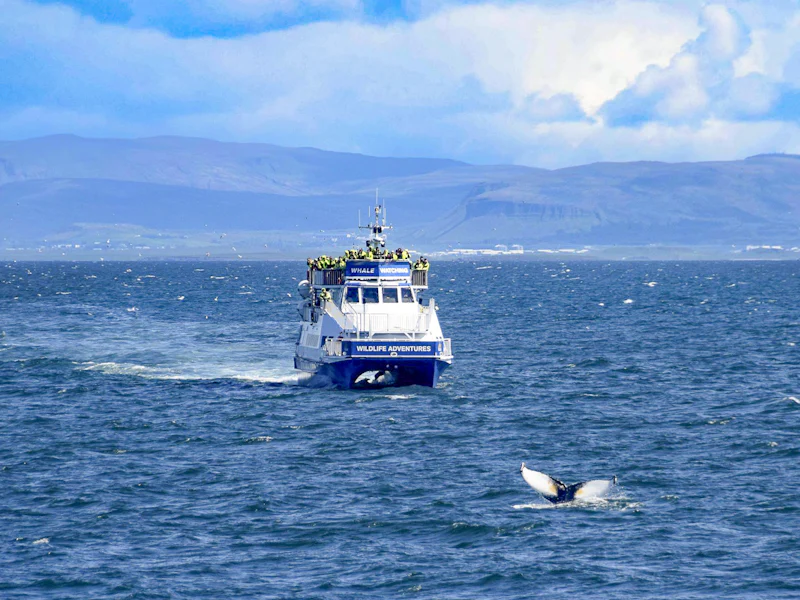
Reykjavik
Husavik Whale Watching Tour Family Owned And Sustainable
Free cancellation3 hrs
$99from $8712% off
Check availability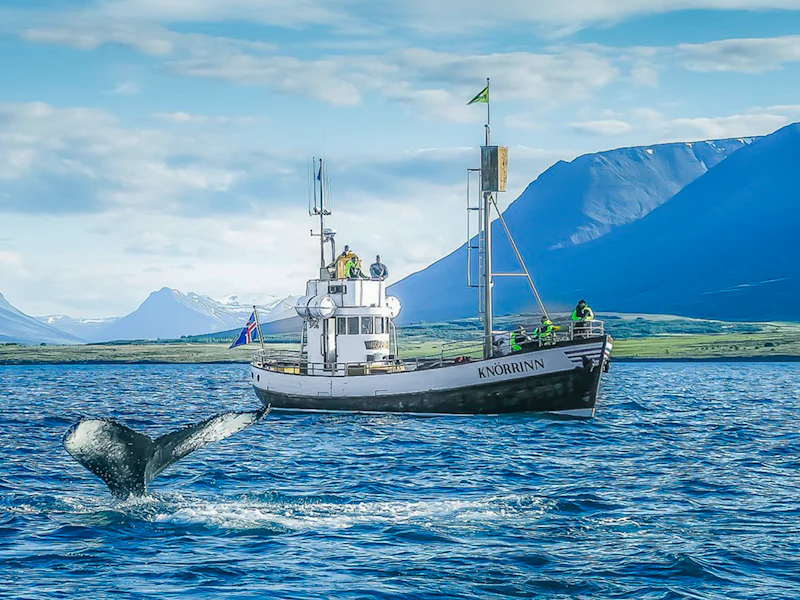
Reykjavik
Arskogssandur Whale Watching Boat Tour
Free cancellation2.5 hrs
from $106
Check availability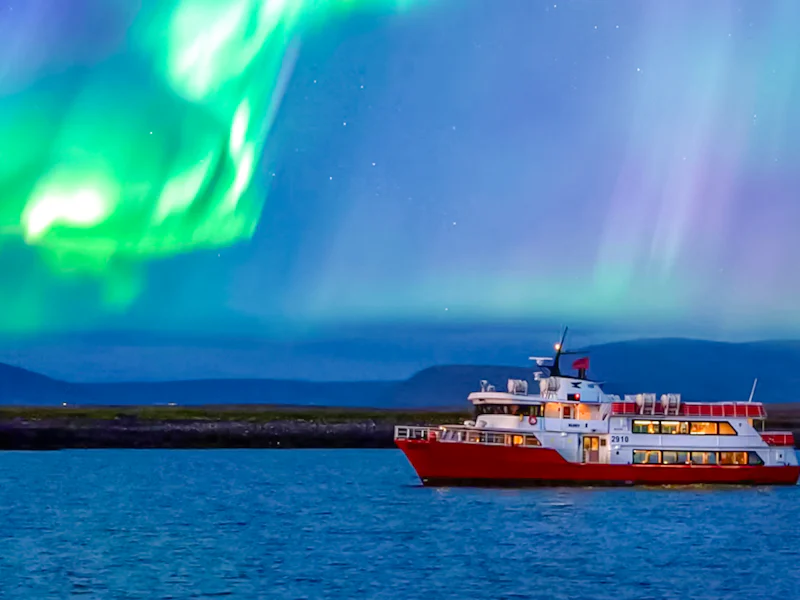
Reykjavik
Reykjavik Whale Watching And Northern Lights Cruise Combo
Free cancellation5 hrs
from $207
Check availability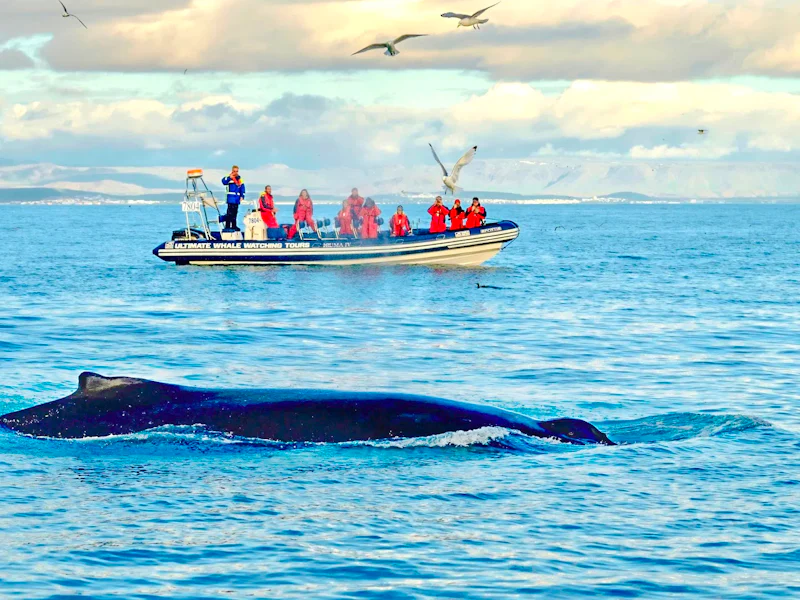
Reykjavik
Reykjavik Whale Watching And Puffin Tour On RIB Speedboat
Free cancellation2 hrs
from $206
Check availability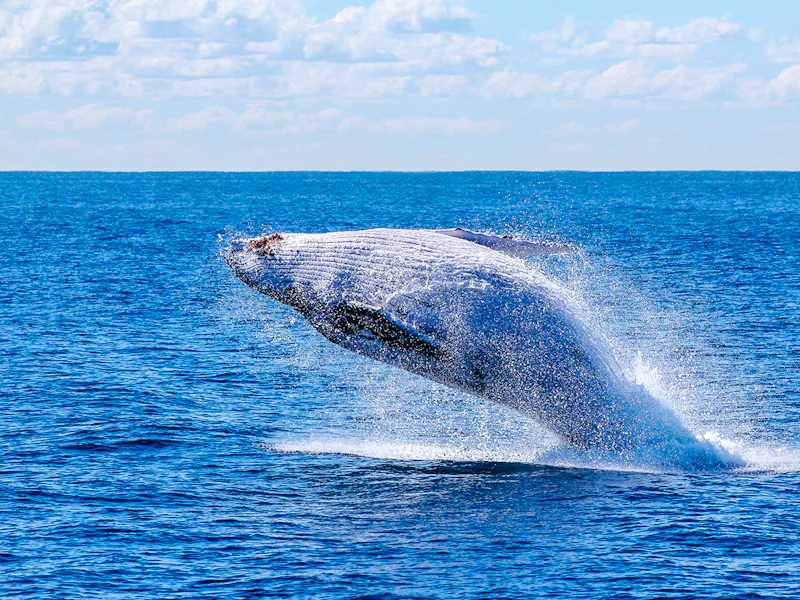
Reykjavik
Reykjavik Whale Watching On A Luxury Yacht
Free cancellation3.5 hrs
from $111
Check availability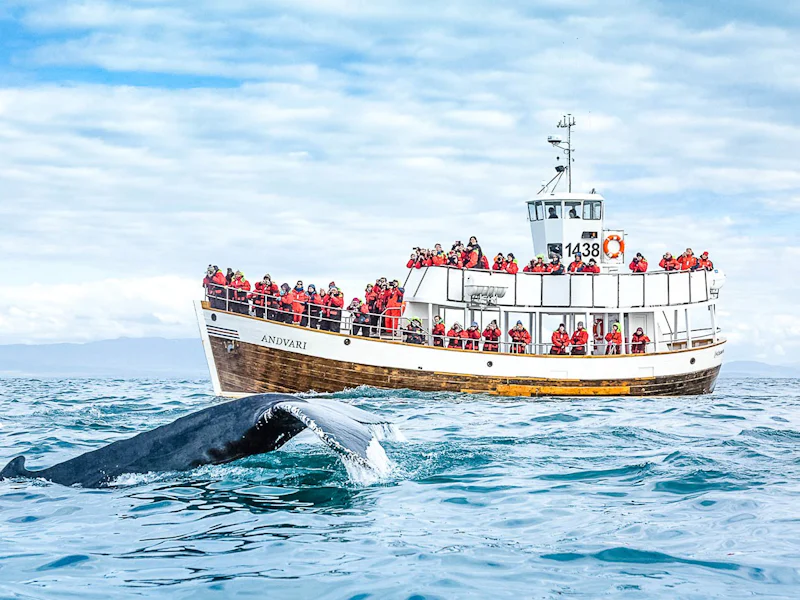
Reykjavik
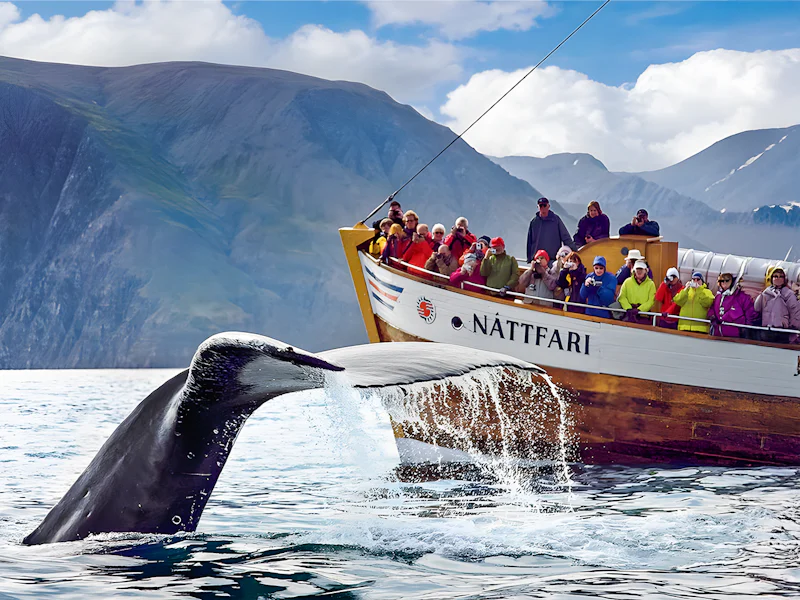
Husavik Silent Whale Watching Tour On A Carbon Neutral Oak Boat
Free cancellation3 hrs
from $130
Check availability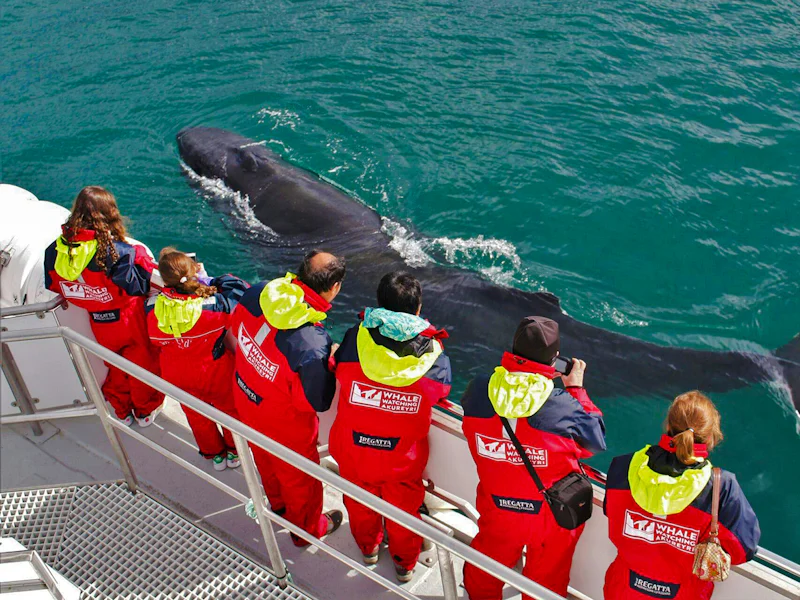
Reykjavik
Akureyri 3 Hour Classic Whale Watching Tour By Ship
Free cancellation3 hrs
from $120
Check availability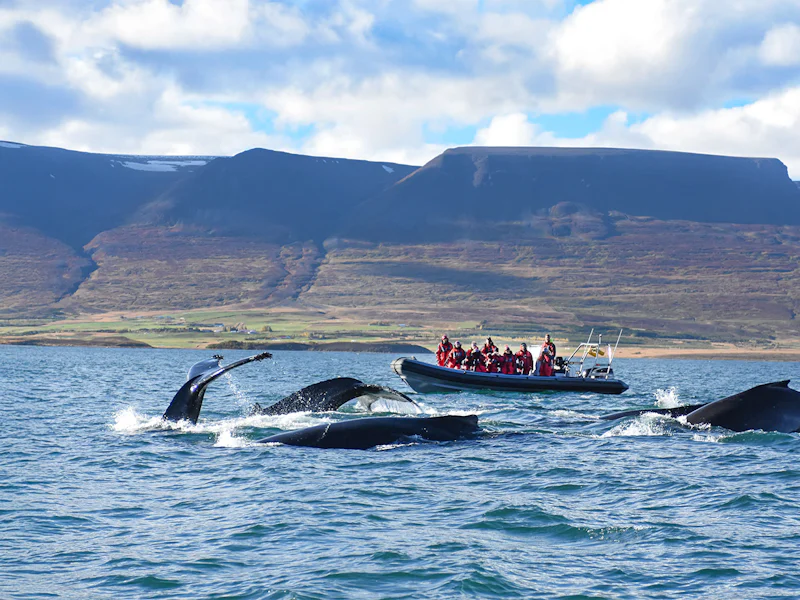
Reykjavik
From Akureyri Whale Watching Tour On RIB Speedboat
Free cancellation2 hrs
from $206
Check availability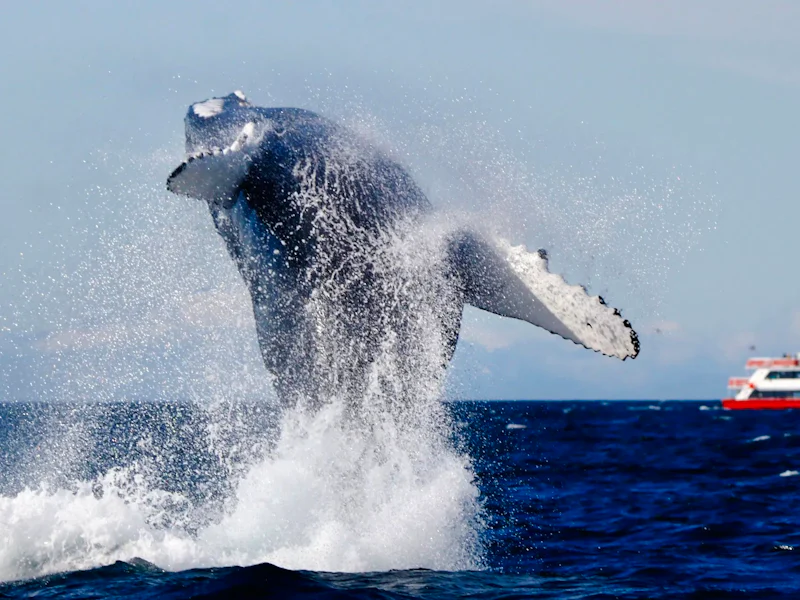
Reykjavik
Reykjavik The Original Whale Watching Tour
Free cancellation3 hrs
from $120
Check availability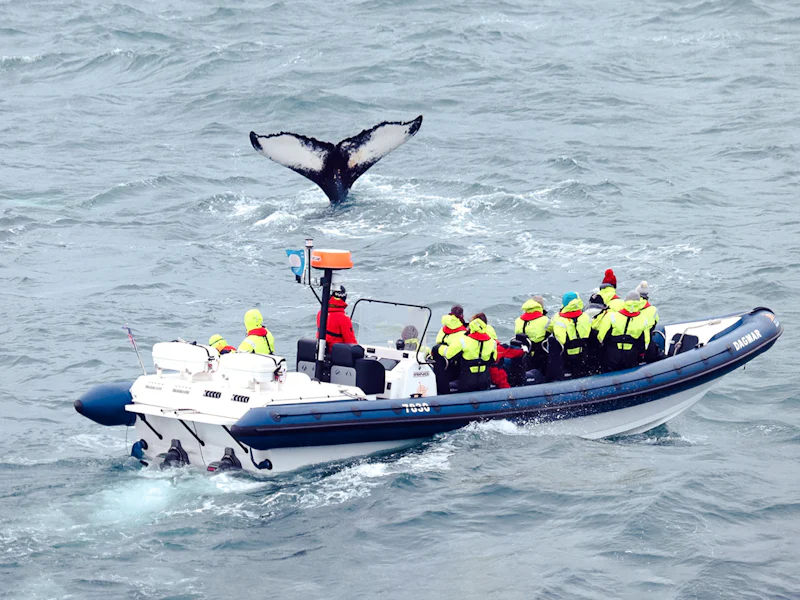
Reykjavik
From Reykjavik Whale Watching Tour On RIB Speedboat
Free cancellation2 hrs
from $202
Check availability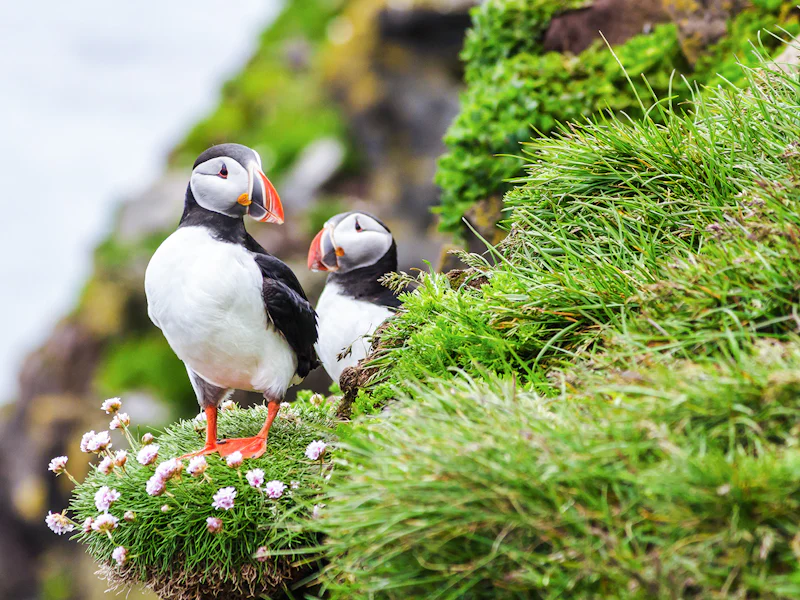
Reykjavik
Husavik Whale Watching Tour With A Guide
Free cancellation3 hrs
from $116
Check availability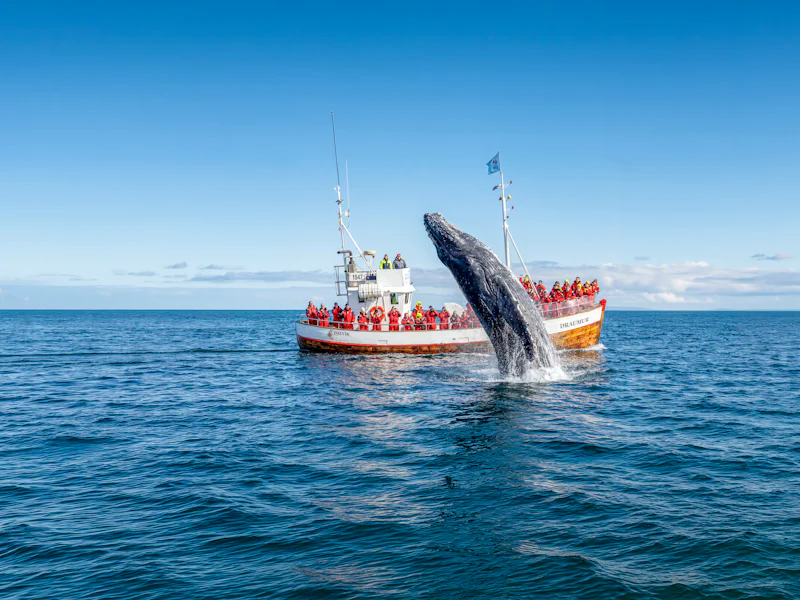
Reykjavik
Dalvik Whale Watching In Northern Iceland
Free cancellation3 hrs
from $93
Check availability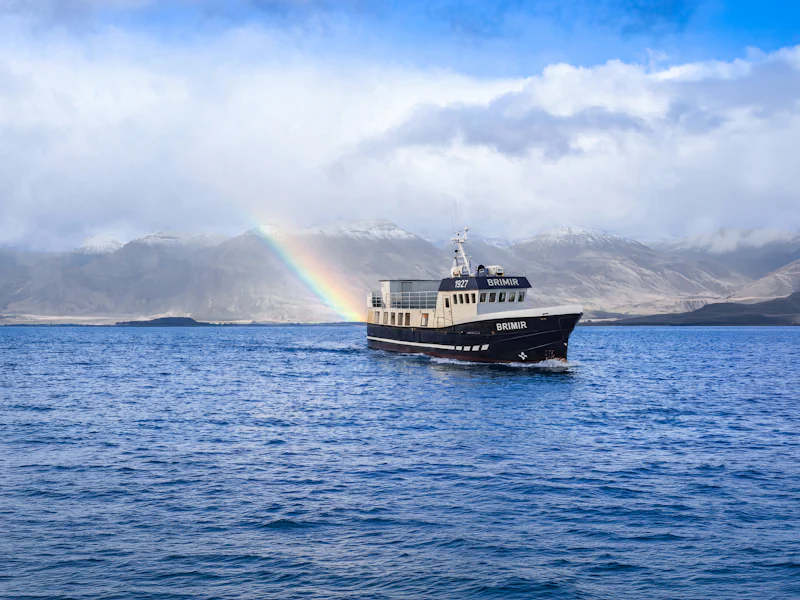
Reykjavik
Akureyri Whale Watching Small Group Boat Tour
Free cancellation3.5 hrs
from $115
Check availability New
NewReykjavik
Reykjavik Midnight Sun Whale Watching Tour
Free cancellation2.5 hrs
from $140
Check availability New
NewReykjavik
Reykjavik 2 Hour Whale Puffin Watching RIB Boat Tour
Free cancellation2 hrs
from $206
Check availability New
NewReykjavik
Reykjavik Whales And Puffins Express Cruise Combo Tour
Free cancellation4 hrs
from $161
Check availability New
NewReykjavik
Reykjavik Whale Watching And Marine Life Cruise
Free cancellation3.5 hrs
from $111
Check availability New
NewReykjavik
Eyjafjordur Whale Watching From Hjalteyri Small Group Tour Up To 30 People
Free cancellation2.5 hrs
from $100
Check availabilityPlan your trip
When to go & what you'll see in Iceland
Best time to go
When whales are around, month by month.
J
F
M
A
M
J
J
A
S
O
N
D
Peak seasonGoodOff-season
Sighting probability
Based on operators' peak-season sighting records.
Chance of seeing whales or dolphins in Iceland in peak season
Real sightings by month
Based on 18,287 verified sightings logged in Iceland: real records, not estimates.
Source: GBIF.org, which aggregates marine mammal observations from OBIS-SEAMAP, Happywhale & iNaturalist. Retrieved October 2026.
What you'll see
The whales and dolphins you can realistically spot here, ranked by how often they are recorded.
Humpback whaleAcrobatic and curious, peaking June to September.16,473 sightings
Minke whaleThe most commonly seen whale, present from April.775 sightings

White-beaked dolphinFast, playful pods often ride the bow.762 sightings
Blue whaleThe largest animal on earth, and a rare summer treat.277 sightings
By location
Whale watching cities in Iceland


Iceland whale watching: humpbacks, minkes and the midnight sun
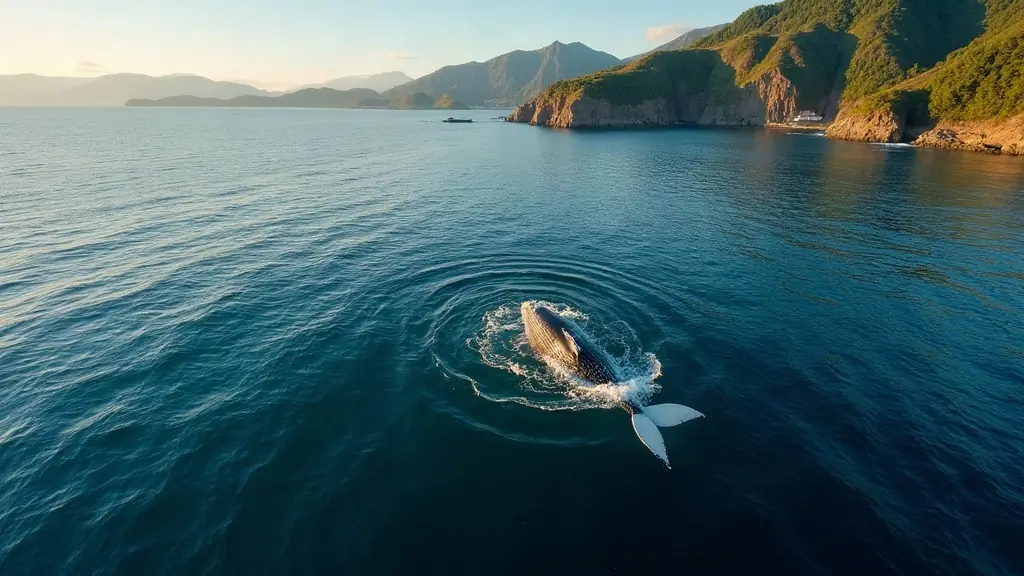
Iceland whale watching is one of the few wildlife trips where the odds are on your side: in peak season, about 96% of tours find whales, and the water they find them in is a cold, plankton-rich larder that pulls minke whales, humpbacks, white-beaked dolphins and even the occasional blue whale within sight of the harbor. Picture a 40-ton humpback surfacing 30 meters off the bow, a snow-streaked ridge behind it, in June daylight that barely bothers to fade. On Skjalfandi Bay in high summer, most afternoon trips see something like it.
Below you'll find the month-by-month best time to go, the four species you are most likely to meet, the three departure hubs with links to their own detailed pages, what a typical tour costs and includes, and how to pick the right boat, whether Iceland is your only stop or one destination among the whale watching destinations you're comparing. Prices are snapshots of the tours we compare, most bookable through Headout with free cancellation, so you can lock in a peak-summer date now and change your mind later without losing a cent.
~96%peak-season sighting rate
20+whale & dolphin species
3departure hubs
$68+real tours compared
Best time for whale watching in Iceland
The short answer is June, July and August. Those three months are the peak of the Iceland whale watching season: the feeding grounds are at their busiest, the seas are at their calmest, and operators report sighting rates of around 96%. Husavik, on the north coast, is the town that turned whale watching into an Icelandic industry, and it still posts some of the highest sighting rates in Europe at the height of summer. If you can only travel once and want the fullest possible boat-deck experience, aim for these dates.
The shoulder months of April, May, September and October are still good, and often quieter. Minke whales are present from April, humpback activity builds through late spring and stays strong into September, and spring can bring orcas to parts of the country. The crowds thin noticeably on either side of the school-holiday rush, and prices and availability are a little easier too, which matters if you are fitting a whale trip around a Ring Road itinerary.
November to March is the off season for most classic day tours, though the boats that still run can turn up orcas and sperm whales. Winter seas are rougher and daylight is short, and while a few operators run year-round from Reykjavik, this page focuses on the warmer months. If you are weighing Iceland against other destinations for a specific month, our guide to the best time for whale watching lines up the seasons side by side.
The midnight-sun trick. Reykjavik sits at roughly 64 degrees north, Husavik and Akureyri closer to 66, so around the June solstice the nights barely darken. Dedicated midnight-sun departures leave Reykjavik in the late evening (from about $140 for a 2.5-hour trip) and let you watch whales feed under a soft, golden sky. Fewer boats are out at that hour, and the water tends to be calmer.
What whales you'll see in Iceland
Icelandic waters host more than 20 whale and dolphin species, according to IceWhale, the Icelandic Whale Watching Association, with eight commonly sighted on tours. Four cetaceans account for the vast majority of encounters on a typical summer Iceland whale watching trip, and they are the ones every guide is scanning the horizon for.
Minke whale
The most commonly seen whale in Iceland and the one you can count on from April onward. The smallest of the great whales, up to about 35 feet, usually travelling alone or in small groups. What you see is a sleek dark back and a small curved dorsal fin rolling through the surface, sometimes several times in quick succession. On a calm day in Faxafloi Bay they surface surprisingly close to the boat, and they are especially associated with Iceland's southern waters in summer.
Humpback whale
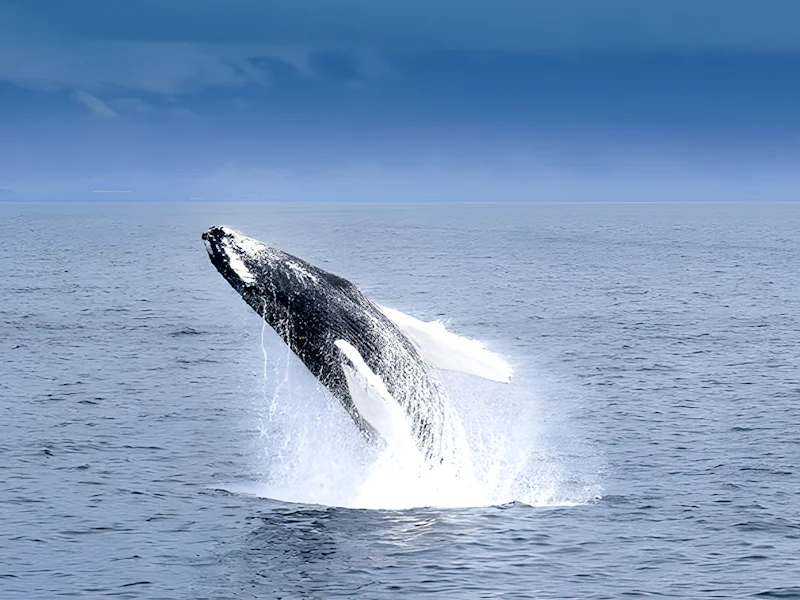
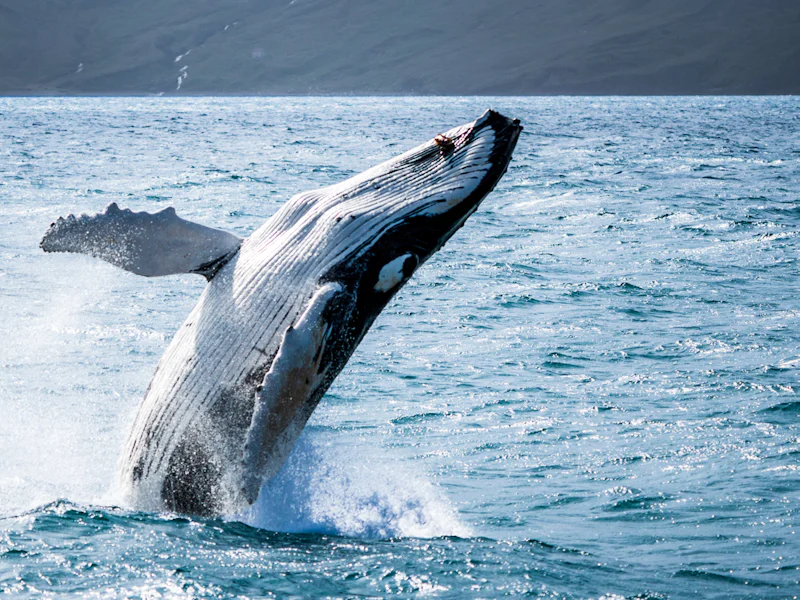
The headline act: acrobatic, curious, and peaking June to September. These are the whales that breach, slap their tails and lift their flukes before a deep dive, and in Iceland they are often feeding, which means long, active surface sessions. Adults reach 60 feet and 40 tons, and they concentrate in northern Icelandic waters in summer, which is why Husavik and Eyjafjordur post such strong sightings in July and August.
White-beaked dolphin
Fast, playful pods often ride the bow, and for many visitors they steal the day. A stocky cold-water dolphin with a pale beak and a gray-and-white saddle, a pod can appear from nowhere, race alongside the hull for minutes and vanish just as suddenly. Because they are so active at the surface, they are the easiest marine wildlife to photograph from a moving boat, so keep your camera up when the guide calls them.
Blue whale
The largest animal on Earth, with North Atlantic individuals reaching roughly 90 feet, feeding almost entirely on krill. In Iceland it is a rare summer treat, concentrating in northern waters in late spring and early summer, and listed as Endangered with a population now recorded as increasing. If your boat finds one you will know it: the blow is a towering column and the back seems to go on forever. Do not plan around it, but in the north in June it is a real possibility.
Where to go: Iceland's whale watching departure points
Three towns account for nearly all Iceland whale watching tours, and they suit different itineraries. Each has its own page with the local tours, prices and seasons broken down in detail.
Reykjavik and Faxafloi Bay
- Best for: Convenience
- From $68
- Under 1 hr to the bay
Tours leave Reykjavik's old harbor year-round for the feeding grounds of Faxafloi Bay, under an hour away, which makes a half-day trip easy to fit around a city visit. This is the most convenient Iceland whale watching base and the one with the widest choice of formats: classic 3 to 3.5-hour tours from about $120, a luxury yacht from about $111, RIB speedboat trips from about $202, puffin-and-whale combos, and the midnight-sun and northern-lights departures no other Icelandic port offers in the same variety. Minke whales are the staple here, with humpbacks and white-beaked dolphins regular, and many operators offer a free retry ticket if no whales show. Read the full guide to whale watching in Reykjavik for the complete tour lineup.
Husavik and Skjalfandi Bay
- Best for: Humpbacks
- From $87
- North coast
Husavik on Skjalfandi Bay is the whale watching capital of Iceland, with some of Europe's highest sighting rates in high summer. This small fishing town built its reputation on whales, and the bay's mix of deep water and rich feeding draws humpbacks in numbers, with blue whales an occasional early-summer bonus. The tour choice reflects that heritage: a family-owned, sustainable 3-hour tour from about $87, the standard 3-hour tour from about $99 (rated 4.8 from 83 reviews at the time of writing), a guided trip from about $116, a silent, carbon-neutral oak-boat tour from about $130, and a 2-hour RIB from about $173. If Iceland whale watching is the point of your trip, build it around this town. See our page on whale watching in Husavik for the details.
Akureyri and Eyjafjordur
- Best for: Calm water
- From $93
- Sheltered fjord
Sheltered Eyjafjordur, Iceland's longest fjord, gives calm-water trips from the northern capital of Akureyri, where the season runs from April to October. The fjord's protection is its selling point: if you are worried about seasickness, this is the gentlest water of the three hubs, and mountains line both sides. Classic 2.5 to 3-hour tours by ship run from about $120, a small-group 3.5-hour tour from about $115, and a 2-hour RIB from about $206. Smaller harbors along the same fjord run trips too, including Dalvik (from about $93), Arskogssandur (from about $106) and Hjalteyri, where a small-group tour capped at 30 people starts from about $100. Humpbacks are the main draw through summer. Our page on whale watching in Akureyri covers every fjord departure point.
If Iceland whale watching is the whole point of your trip, Husavik is the town to build it around: some of Europe's highest summer sighting rates, right off a working fishing harbor.
What an Iceland whale watching tour is like
Most tours run 2 to 3.5 hours and follow the same rhythm: a safety briefing at the dock, a cruise out to the feeding grounds, an hour or more of searching and watching with the guide narrating what is surfacing where, and a run back to port. Guides are used to first-timers and will point out blows, footprints (the flat patch a whale leaves when it dives) and dorsal fins long before you spot them. On the classic boats you can move between an open deck and an indoor cabin, so you are never stuck in the wind for three hours. Four broad boat types change the experience more than the port does:
Classic boats & ships
2.5 to 3.5 hours, from about $87 in Husavik and $120 in Reykjavik and Akureyri. The stable, roomy default with indoor shelter and toilets. Best for families, photographers with long lenses, and anyone prone to seasickness.
Traditional oak boats
Husavik, 3 hours, from about $130. Wooden former fishing vessels, including a silent, carbon-neutral electric option, with a slower, quieter feel that sits well with the town's heritage.
RIB speedboats
2 hours, from about $173 in Husavik, $202 in Reykjavik and $206 in Akureyri. Small, fast, low to the water and thrilling. You cover more ground and get closer, but feel every wave. Not for young children or anyone who wants to stay dry.
Yachts & small groups
From about $111 for a luxury yacht in Reykjavik, $115 for a small-group tour in Akureyri, $100 from Hjalteyri. Fewer people per rail and a more relaxed pace.
As a rule of thumb, the core whale watching tours in Iceland sit in a band of about $106 to $173, with the cheapest full whale tour from about $87 and RIB and combo trips topping out a little above $200. Combos are worth a look if time is short: Reykjavik runs whale-and-puffin trips (an express cruise combo from about $161, a RIB combo from about $206), a stand-alone 1-hour puffin boat from about $68, and a 5-hour whale watching and northern lights cruise combo from about $207 for the darker months.
Compare every Iceland tour side by side: price, boat, duration and free cancellation.
See the toursHow to choose the right Iceland whale watching tour
You already know what you want: to stand at the rail on a bright Icelandic evening with a humpback surfacing close enough to hear it breathe. What's left to decide is where, when and on which boat.
- Let your route pick the port.Only in Reykjavik? Book Reykjavik and enjoy a great trip. Driving the north or near Lake Myvatn? Husavik is a short detour and worth every minute. Want the calmest water? Choose Akureyri and Eyjafjordur.
- Book peak dates early.June to August boats fill, especially the small-group, RIB and midnight-sun departures. Around 96% sighting rates are why people travel across the world for this, and why the good slots go first. Most tours let you cancel free, so the only thing you risk by waiting is missing out.
- Small group or big boat?A larger ship is steadier, cheaper and more comfortable in a breeze. A small-group boat or RIB puts you lower and closer. First trip, kids in tow, or a nervous stomach: choose the ship. Photographer or thrill-seeker: choose the RIB.
- Morning, afternoon or midnight sun?In summer the whales feed around the clock, so timing is about your day and the light. Mornings tend to have calmer seas; late-evening midnight-sun tours trade a little sleep for the best light and quieter water; northern-lights combos only make sense once the nights are dark.
- Check ratings, not just price.Several tours we compare carry 4.6 to 4.8 ratings across 80 to 110 reviews, a better signal than a $10 saving. Booking through Headout lets you compare formats, read reviews and hold a date with free cancellation on most listings.
Tips for whale watching in Iceland
Dress for the deck, not the forecast
Even on a sunny July day the wind over open water is cold, and the boat's speed adds to it. Bring a windproof outer layer, a warm hat, gloves and something for your neck. Some boats lend outerwear, but do not count on it. Sunglasses and sunscreen matter more than you would expect under the long summer sun.
Plan for seasickness early
If you are at all prone to it, take a remedy before boarding rather than once the boat is moving, eat a light meal beforehand, and stay on deck watching the horizon. Choosing the sheltered water of Eyjafjordur from Akureyri, or a larger ship over a RIB, cuts the risk considerably.
Bring binoculars
The first sign of a whale is usually a blow on the horizon, and binoculars turn a distant puff into a clear view of the species. For photos, a fast shutter and a wrist strap beat a tripod on a moving deck. Keep the camera down for a few sightings too; the moments people remember are the ones they watched with their own eyes.
Choose a responsible operator
Iceland whale watching is self-regulated: operators follow IceWhale's Code of Conduct, a voluntary code signed in 2015 to minimize disturbance and keep the industry sustainable. Choose IceWhale members who let the whales set the pace rather than chasing them. Several Husavik tours market themselves on quiet, low-emission boats, which is a good sign.
Your sighting adds to the science
Iceland's Marine and Freshwater Research Institute runs a long-standing humpback photo-identification catalogue with more than 1,500 individually identified humpbacks since the 1980s. Guides on many boats photograph tail flukes for this catalogue, so the humpback you watch dive off Husavik may already have a name and a decades-long history.
The simple recipe
Come between June and August if you can, pick the port that suits your route, choose a boat that matches your stomach and your ambitions, and book early with free cancellation as your safety net.
Good to know
Iceland whale watching FAQ
June to August is the sweet spot, when long daylight and calm seas make the whales easiest to find, and April, May, September and October still deliver reliably. The calendar above breaks it down bay by bay.
Husavik on the north coast is known for some of Europe's highest sighting rates and calls itself the country's whale watching capital, while Reykjavik is the most convenient, reaching Faxafloi Bay in under an hour. Akureyri adds calm fjord sailings on Eyjafjordur. Across all of them, operators log a sighting on about 96% of peak-season trips.
For most visitors, yes: minke and humpback whales are near-daily in summer, blue whales pass the northern bays, and peak-season trips end in a sighting about 96% of the time. Tours start near $68, making it one of the better-value wildlife days in Iceland.
Both sit on rich northern feeding grounds and show similar species. Husavik on Skjalfandi Bay has the longer pedigree and some of Europe's highest sighting rates; Akureyri, on the sheltered Eyjafjordur, offers the calmest water and pairs easily with a north-Iceland road trip.
You book through Headout, which works with vetted operators in each Icelandic port rather than one single company. Whale Watching is an independent affiliate site. If you book through a link here, we may earn a small commission at no extra cost to you.
Ready to find your whale in Iceland?
Compare tours in Iceland and book in minutes. Most offer free cancellation.
See tours in Iceland