 Bestseller
Whale watching tours in Husavik
Bestseller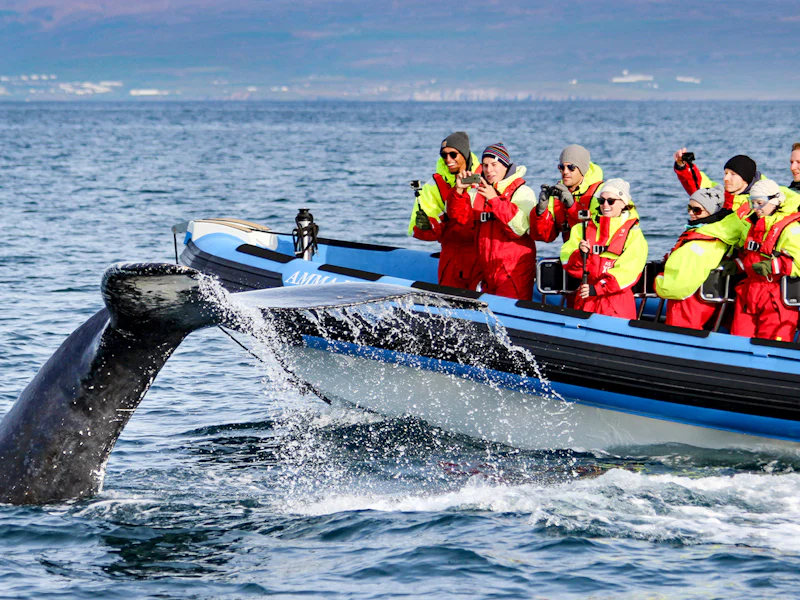
Reykjavik
From Husavik Whale Watching On RIB Speedboat
Free cancellation2 hrs
from $173
Check availability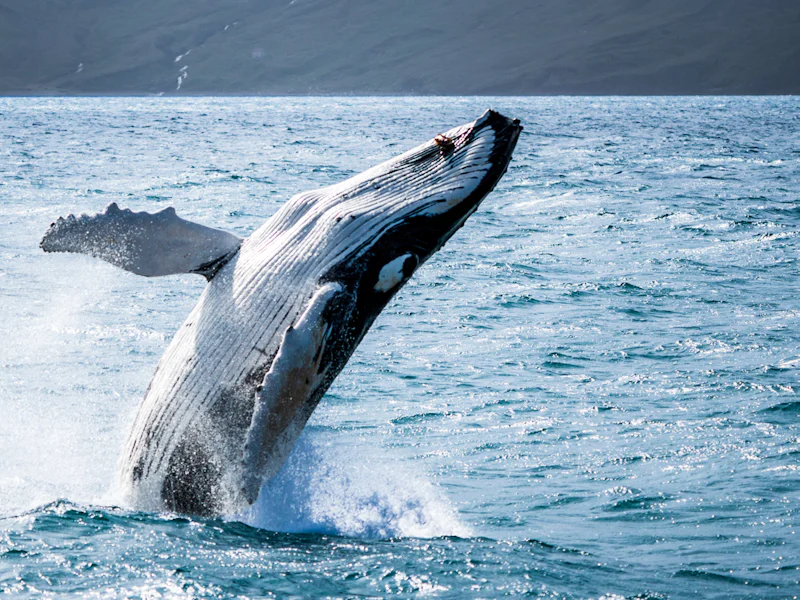
Reykjavik
Husavik Whale Watching Tour Family Owned And Sustainable
Free cancellation3 hrs
$99from $8712% off
Check availability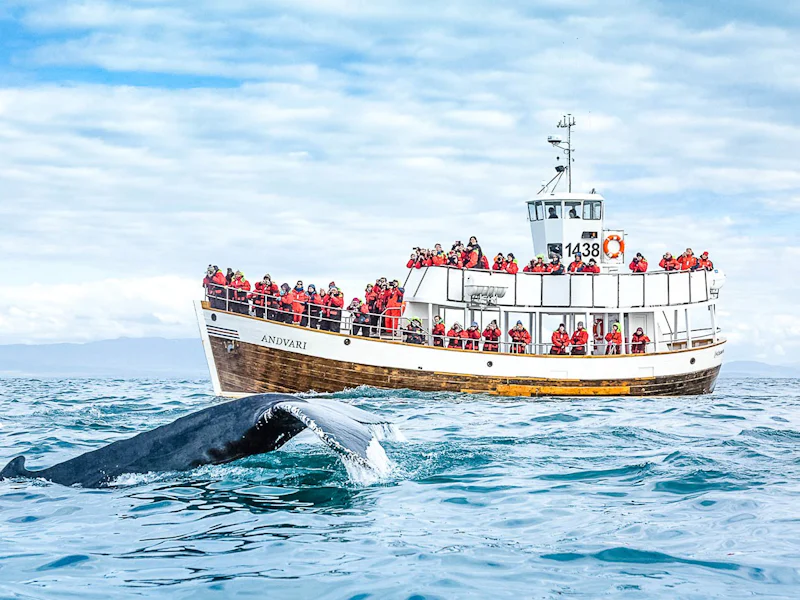
Reykjavik
Husavik Silent Whale Watching Tour On A Carbon Neutral Oak Boat
Free cancellation3 hrs
from $130
Check availability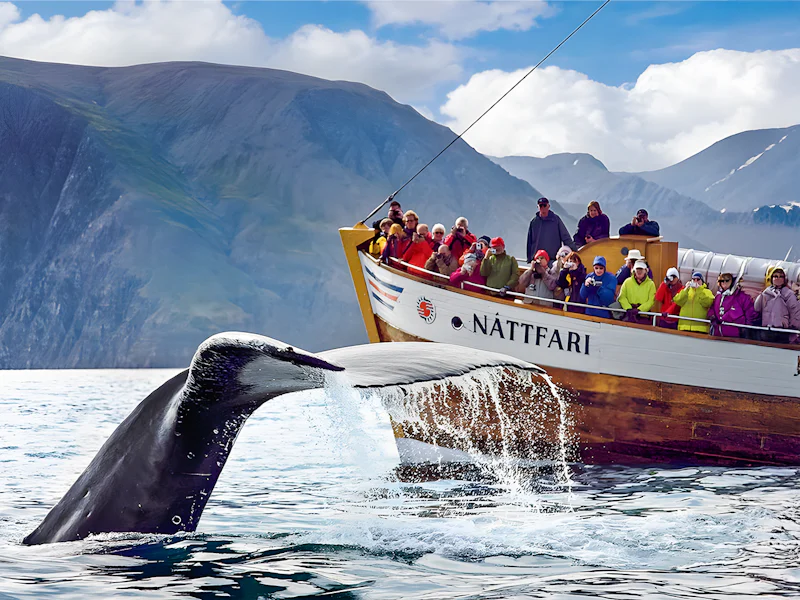
Reykjavik
Husavik Whale Watching Tour With A Guide
Free cancellation3 hrs
from $116
Check availabilityMore in Iceland: Reykjavik Akureyri All of Iceland
Plan your trip
When to go & what you'll see in Husavik
Best time to go
When whales are around, month by month.
J
F
M
A
M
J
J
A
S
O
N
D
Peak seasonGoodOff-season
Sighting probability
Based on operators' peak-season sighting records.
Chance of seeing whales or dolphins in Husavik in peak season
Real sightings by month
Based on 3,410 verified sightings logged in Husavik: real records, not estimates.
Source: GBIF.org, which aggregates marine mammal observations from OBIS-SEAMAP, Happywhale & iNaturalist. Retrieved October 2026.
What you'll see
The whales and dolphins you can realistically spot here, ranked by how often they are recorded.
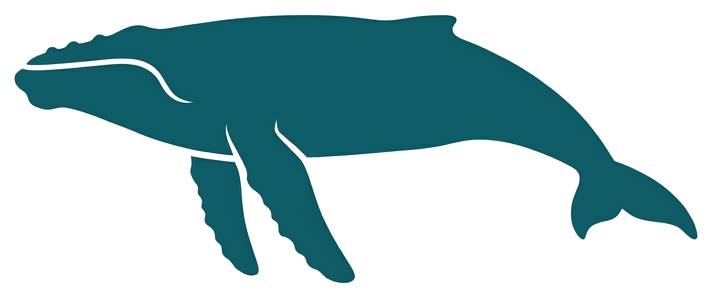
Humpback whaleAcrobatic and curious, peaking June to September.2,967 sightings

White-beaked dolphinFast, playful pods often ride the bow.183 sightings
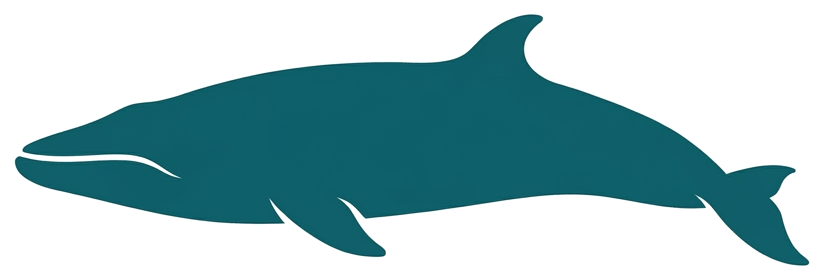
Minke whaleThe most commonly seen whale, present from April.144 sightings
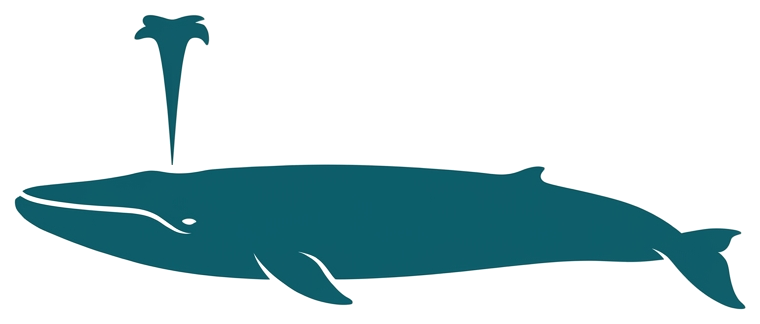
Blue whaleThe largest animal on earth, and a rare summer treat.116 sightings
Husavik whale watching: Iceland's original whale town on Skjalfandi Bay
Husavik whale watching deserves its own slot in your Iceland itinerary, and this north-coast town earned that standing the hard way: its first whale-watching boat pushed off from this harbor in 1995, and Husavik has set the pace for Icelandic whale watching ever since. In peak season, around 96% of tours here find a whale, often a humpback rolling its back through Skjalfandi Bay two or three times before it lifts a barnacled tail into a dive. Ask around town and you will hear the same line more than once: this small fishing harbor, not the capital, is where Icelandic whale watching grew up.
Read on for when to come, the four whales and dolphins that make up nearly every Skjalfandi Bay sighting, the harbor and the whale museum that anchor the town's identity, what a Husavik tour costs and feels like on the traditional oak boats still working this coast, and how to choose between the five tours on offer. Prices come from listings for this harbor, and nearly all of them can be canceled at no charge right up until departure, so there is no downside to locking in a July slot the moment you land on this page.
1995first whale tour from this harbor
~96%peak-season sighting rate
5real tours compared
$87+starting tour price
Best time for whale watching in Husavik
June, July and August are peak season for Husavik whale watching, and the numbers back up the town's reputation: operators report sighting rates around 96% through these three months, some of the highest recorded anywhere in Europe. Humpback whales gather in Skjalfandi Bay in large numbers during this stretch, partly because the bay is unusually deep for its size and partly because the Skjalfandafljot river feeds cold, mineral-rich freshwater into the salt water at its mouth, a mix that concentrates the plankton and small fish humpbacks come to feed on. If a Husavik trip is the reason you flew to Iceland, aim for these dates.
April, May, September and October are the shoulder months, and they hold up well. Minke whales show up from April onward, humpback numbers build steadily through late spring and hold into September, and both boats and guesthouse rooms are far easier to book than at the height of July. For how Husavik's calendar stacks up against other destinations and other months, see our guide to the best time to go whale watching.
November through March is the off season on this coast. None of the five tours we track for Husavik run through the darkest months, and the north coast's winter seas are rougher and the daylight briefer than what Reykjavik can offer with its own winter cruise. Build a Husavik trip into the warmer half of the year.
A bay built to concentrate whales. Skjalfandi sits just south of the Arctic Circle, at roughly 66 degrees north, and it owes its productivity to plain geography: cold ocean water meets the freshwater outflow of the Skjalfandafljot at the bay's edge, and the resulting nutrient mix draws capelin and herring, which draw humpbacks. Add the long, soft light of an Arctic Circle summer evening, when a 9pm departure still has hours of good visibility ahead of it, and you get a bay that keeps producing sightings well past what a standard workday would allow further south.
What whales you'll see in Husavik
Four species make up nearly every sighting logged in Skjalfandi Bay, and the crew on any given tour is watching for the same four you are. Between whales, it is also worth scanning the water for seabirds riding the wind off the cliffs and the odd seal hauled out near the harbor mouth.
Minke whale
The dependable one, present from April and the whale a Husavik guide will almost always find first. A modest, solitary swimmer that tops out around 35 feet, closer in size to a large dolphin than to the humpbacks sharing the same water. What registers from the deck is a low, dark back and a small hooked dorsal fin cutting the surface, often two or three times in a row before a longer dive. They tend to work quietly, without much surface display, so a sudden close pass in a flat calm can stand out as the highlight of the trip.
Humpback whale
The whale Husavik is built around, and the main reason sightings here are so dependable. Adults reach roughly 60 feet, and in Skjalfandi Bay they are usually feeding, which means extended surface sessions rather than a single quick look: repeated dives, lunge feeding, and the occasional breach or tail slap. Crews recognize individual animals by the black-and-white pattern on the underside of the tail fluke, a marking as specific as a fingerprint, and several of the same humpbacks return to this bay year after year.
White-beaked dolphin
Fast, curious and often the animal passengers talk about longest. This stocky cold-water dolphin, marked with a pale patch near the beak and a gray saddle across the back, will sometimes peel off from a passing pod to ride the bow wave for a few minutes before vanishing as suddenly as it appeared. They move too quickly for a slow camera, so if you only get one good look, skip the camera and just watch.
Blue whale
The largest animal that has ever existed, and in Husavik an early-summer rarity. The town's whale museum takes the animal seriously enough to have opened a dedicated blue whale hall in 2016, built around a full skeleton, which tells you how much local pride is riding on this species even though sightings stay uncommon. If a boat does find one, the blow alone gives it away: a column of spray taller than anything else on the horizon, visible long before the back ever breaks the surface.
Where Husavik whale watching tours leave from
The old harbor and the whale museum beside it
- Best for: Humpbacks
- From $87
- About an hour from Akureyri
Every Husavik whale watching tour leaves from the same small working harbor, a five-minute walk from the guesthouses and restaurants that line the main street. Just up from the dock sits the Husavik Whale Museum, housed in a former slaughterhouse built in 1931 and reopened as a museum in 2002, now home to eleven full whale skeletons and that blue whale hall added in 2016. Plenty of visitors go through the museum before boarding, on the theory that knowing what a fin whale skeleton looks like makes a distant blow on the water easier to place.
Husavik sits on the Diamond Circle route, within reach of Asbyrgi canyon, Dettifoss waterfall and Lake Myvatn, and it is roughly an hour's drive from Akureyri. That makes it a natural stop on a north-coast loop rather than a quick detour from the capital. If your Iceland base is Reykjavik instead, our page on whale watching in Reykjavik covers the much shorter run out to Faxafloi Bay, and the full country picture, including all three departure hubs, is on our overview of whale watching in Iceland.
Husavik's first whale-watching boat pushed off from this harbor in 1995. The bay has kept its side of the bargain every summer since.
What a Husavik whale watching tour is like
Husavik's fleet is what sets it apart from anywhere else in Iceland. Alongside the newer motor launches, several of the wooden boats working this harbor started life decades ago as fishing vessels before being rebuilt for tourism, oak-hulled schooners that still look and move the way a working boat should. Two of them, Opal and Andvari, run on electric power charged from Iceland's hydro and geothermal grid (Opal is a hybrid that can also recharge under sail), so a tour on one of these is close to silent, a clear change from the diesel hum on a standard launch. Whichever boat you pick, the outing runs a similar length: out to the bay, an hour or more spent searching and watching, and a run back to the harbor before the light or the tide turns.
Classic day boats
3 hours, from about $87 to $99. The most affordable way onto Skjalfandi Bay, with an indoor cabin for shelter and an open deck for the actual watching. The standard tour carries a 4.8 rating from 83 reviews at the time of writing.
Oak schooners, electric power
3 hours, from about $130. The carbon-neutral option, on Opal or Andvari depending on the season, quiet enough to hear a whale exhale before you see it. Slower and pricier than the classic boats, but a different feel on the water.
Guided small-group trips
3 hours, from about $116. A newer addition to the harbor's lineup, run with extra narration and a smaller passenger count than the standard boats.
RIB speedboats
2 hours, from about $173, rated 4.6 from 50 reviews. Low to the water, fast, and closer to the action than any other boat here. Expect a soaking on a breezy day, so this one suits able-bodied thrill-seekers more than families with toddlers.
Most of what leaves this harbor falls between $87 and $130, with the RIB sitting apart as the pricier, punchier two-hour option at $173. Star ratings cluster between 4.4 and 4.8 across the fleet, a tighter spread than the prices, so let comfort and boat type break the tie before a $10 price gap does.
Husavik tours compared: price, boat, duration and free cancellation.
See the toursHow to choose the right Husavik whale watching tour
Five tours run out of one harbor here, so the choice comes down to what kind of boat you want under you.
- Weigh heritage against speed.An oak schooner, especially the electric Opal or Andvari, gives you the slow, quiet version of Husavik whale watching. A RIB gives you the fast, close version. Both see the same bay.
- Book peak dates well ahead.June through August is when this harbor's reputation is made, and the oak boats and the RIB carry fewer passengers than the classic tours, so they sell out first.
- Pair it with the Diamond Circle if you are driving the north.Husavik sits close enough to Asbyrgi, Dettifoss and Lake Myvatn that a whale tour fits naturally into a full day on that route.
- Read the review counts, not just the star rating.The standard tour's 4.8 from 83 reviews and the oak boat's 4.4 from 112 both rest on plenty of reviews. The newer guided tour has too few reviews yet to lean on either way, so judge it on format instead.
- Use free cancellation to book early without the risk.Most listings here let you cancel at no cost, so there is little reason to wait and watch peak dates fill.
Tips for whale watching in Husavik
Dress for a harbor this close to the Arctic Circle
Husavik sits at roughly 66 degrees north, and even a mild July afternoon turns sharp once the boat is moving on open water. Pack a windproof layer, a hat and gloves, and something for your neck. A warm cabin is usually available, but the deck is where the sightings happen.
Visit the whale museum before you board
The Husavik Whale Museum, a short walk from the harbor, holds eleven full skeletons including the blue whale hall added in 2016. Spending half an hour there before a tour turns an abstract "look for a blow" into a much clearer idea of scale and species.
Take seasickness seriously before you leave the dock
If you know it hits you easily, medicate before the boat clears the harbor wall, skip a heavy breakfast, and fix your gaze on the far shoreline instead of your camera screen. A classic or oak boat rides steadier than a RIB if this worries you.
Choose the electric boat for the quietest trip
Opal and Andvari run silent on electric power drawn from Iceland's renewable grid, and the Opal project earned North Sailing a joint silver at the 2015 World Responsible Tourism Awards for carbon reduction. If a hushed, engine-free approach to a feeding whale sounds better than a fast one, this is the boat to book.
Look for operators that let the bay set the pace
Icelandic whale watching companies, Husavik's included, operate under IceWhale's voluntary code of conduct, which sets minimum distances and discourages chasing an animal for a better view. Boats built on that ethos, and Husavik's family-owned fleet has led on it for years, tend to give whales more room.
The simple recipe
Come between June and August, pick an oak schooner if the town's history matters to you or a RIB if speed does, build a Diamond Circle day around the harbor if you are driving the Ring Road, and lock in a date early with free cancellation as your safety net.
Good to know
Husavik whale watching FAQ
In Husavik the boats run hardest from June to August, though Skjalfandi Bay produces good sightings from April through October too. That long season is a big reason the town calls itself Iceland's whale watching capital, and the calendar above shows it month by month.
It has a strong claim: Husavik's first whale watching boat sailed in 1995, the town grew into the hub of the Icelandic industry, and Skjalfandi Bay records some of the highest sighting rates in Europe, about 96% at the height of summer. Humpbacks and minke whales are near-daily, joined by white-beaked dolphins.
Humpbacks and minke whales are near-daily in Skjalfandi Bay, joined by white-beaked dolphins and, in early summer, the occasional blue whale. Orcas and sperm whales show up far more often elsewhere in Iceland than here. Peak-season trips record a sighting about 96% of the time.
A Husavik trip starts at roughly $87 per person, with most tours falling between $99 and $130. Traditional oak-boat sailings and longer or RIB trips sit toward the upper end, and what is included shifts the price as much as the boat does.
Bookings are handled by Headout, which lists Husavik's established family-run operators after vetting them. As an independent affiliate site, Whale Watching may receive a small commission when you book through a link here, and your price stays the same.
Ready to find your whale in Husavik?
Compare tours in Husavik and book in minutes. Most offer free cancellation.
See tours in Husavik