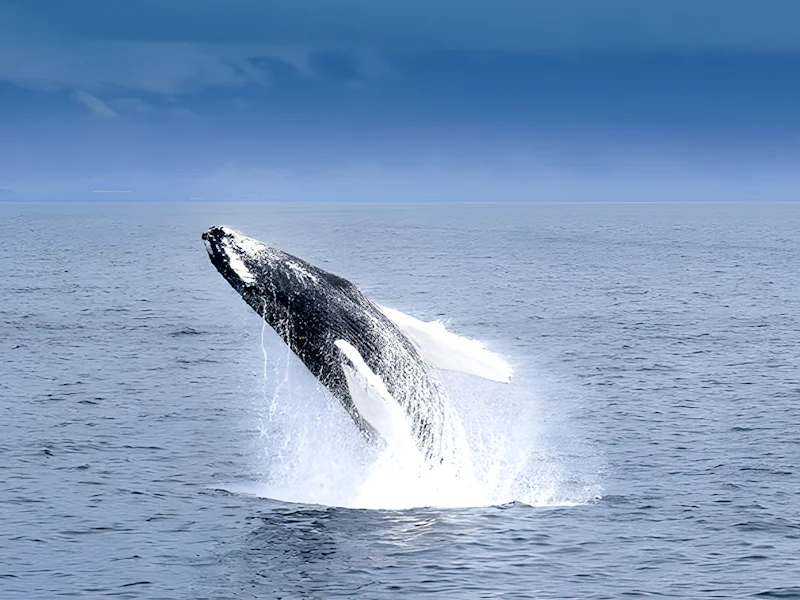
Whale watching tours in Akureyri
Reykjavik
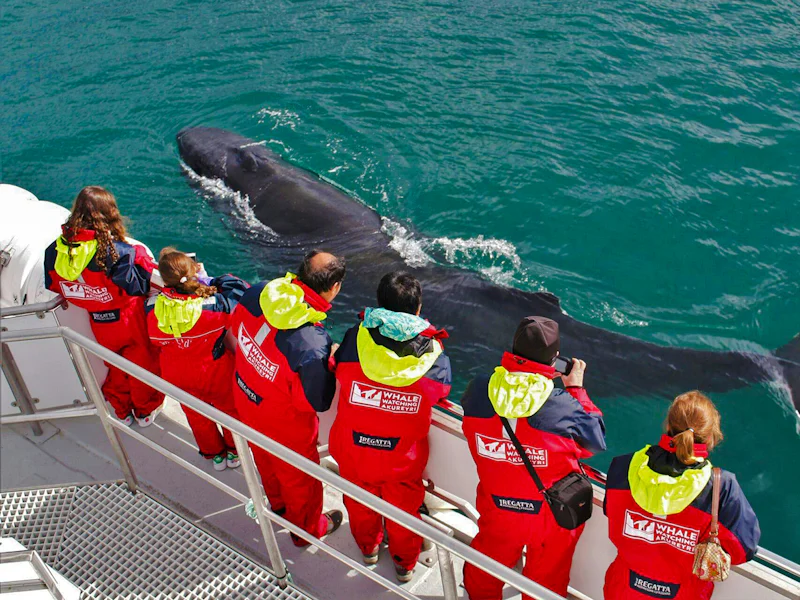
Akureyri 3 Hour Classic Whale Watching Tour By Ship
Free cancellation3 hrs
from $120
Check availability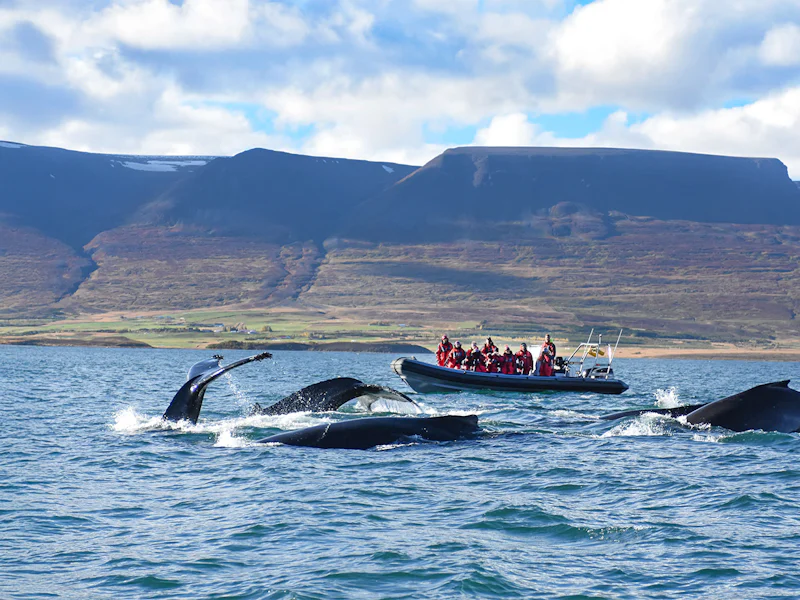
Reykjavik
From Akureyri Whale Watching Tour On RIB Speedboat
Free cancellation2 hrs
from $206
Check availability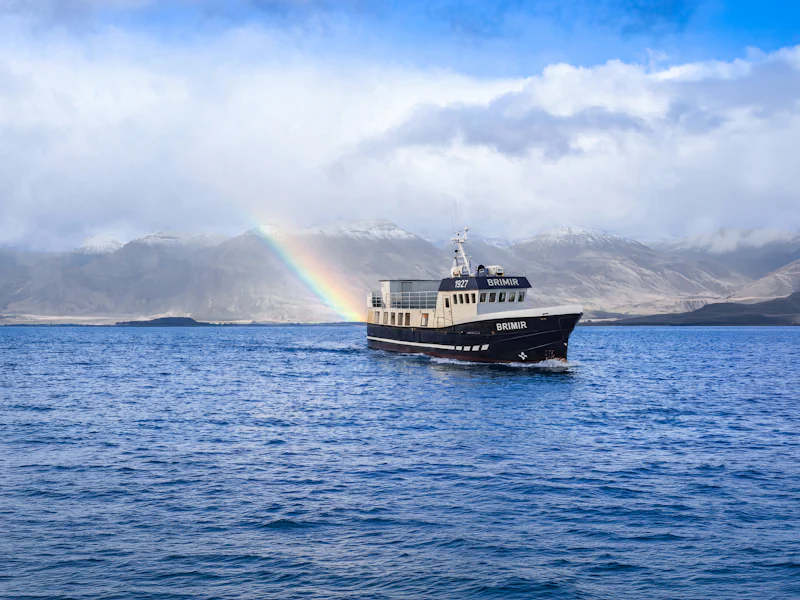
Reykjavik
Akureyri Whale Watching Small Group Boat Tour
Free cancellation3.5 hrs
from $115
Check availabilityMore in Iceland: Reykjavik Husavik All of Iceland
Plan your trip
When to go & what you'll see in Akureyri
Best time to go
When whales are around, month by month.
J
F
M
A
M
J
J
A
S
O
N
D
Peak seasonGoodOff-season
Sighting probability
Based on operators' peak-season sighting records.
Chance of seeing whales or dolphins in Akureyri in peak season
Real sightings by month
Based on 4,175 verified sightings logged in Akureyri: real records, not estimates.
Source: GBIF.org, which aggregates marine mammal observations from OBIS-SEAMAP, Happywhale & iNaturalist. Retrieved October 2026.
What you'll see
The whales and dolphins you can realistically spot here, ranked by how often they are recorded.
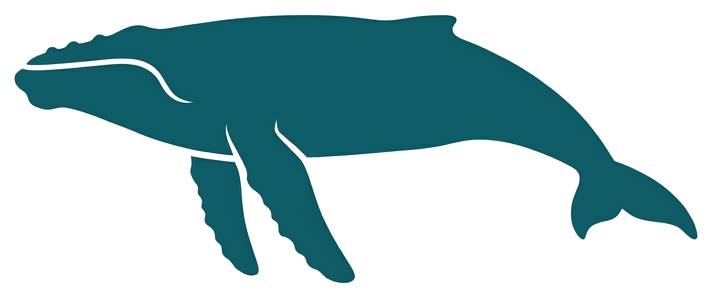
Humpback whaleAcrobatic and curious, peaking June to September.4,107 sightings
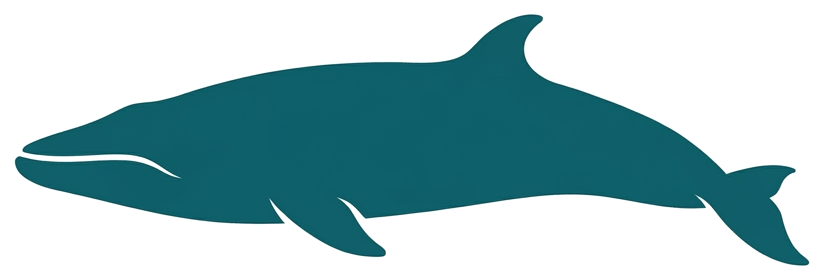
Minke whaleThe most commonly seen whale, present from April.30 sightings

White-beaked dolphinFast, playful pods often ride the bow.23 sightings
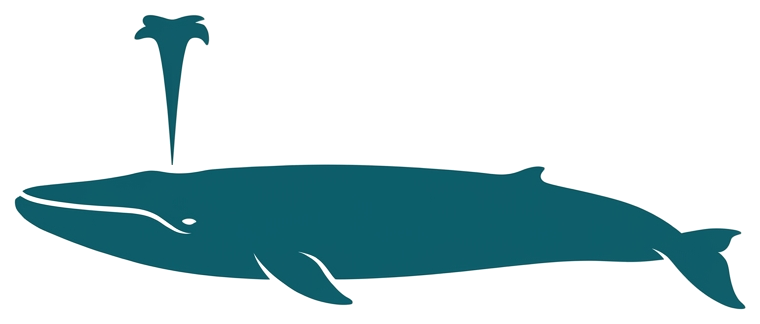
Blue whaleThe largest animal on earth, and a rare summer treat.15 sightings
Akureyri whale watching: calm water in Iceland's longest fjord
Akureyri whale watching is the gentlest version of the Iceland experience: the town sits on Eyjafjordur, Iceland's longest fjord, and the fjord's high walls keep the water sheltered and calm almost regardless of what the weather is doing outside it. Picture a flat, glassy channel running north between snow-streaked mountains, a humpback's back rolling through the surface a few hundred meters off the bow, and none of the swell that can turn a Reykjavik or Husavik trip into a rough ride. If you have ever hesitated over whale watching because you get seasick, this is the trip to book.
Here is how Akureyri whale watching breaks down: the best months to go, the four species you are most likely to see, the harbors along Eyjafjordur that run trips (Akureyri itself plus the smaller fishing villages of Dalvik, Arskogssandur and Hjalteyri), what a typical tour costs and feels like, and how to choose between them. It is one stop within our wider guide to whale watching in Iceland, which also covers Reykjavik and Husavik if you are planning a longer trip. We quote each price as it stood when we compared the tours, and most can be booked with free cancellation, so you can hold a peak-summer date now and change your mind later at no cost.
~96%peak-season sighting rate
4harbors along the fjord
$115+real tours compared
2.5-3.5 hrstypical tour length
Best time for whale watching in Akureyri
June, July and August are peak season for Akureyri whale watching, with sighting rates around 96%. Humpback whales are the reason: they move into Eyjafjordur to feed through the summer, and this is when boats find them most reliably and most often. Long daylight hours help too. Akureyri sits close to 66 degrees north, only a shade south of Husavik, so around the summer solstice the nights barely darken and the fjord stays fishable, and watchable, deep into the evening.
April, May, September and October are the shoulder months, and still worth planning around if peak season does not fit your trip. Minke whales are present from April onward, humpback numbers build through late spring and hold into September, and the town and its tours are noticeably quieter than in July. November through March is the off season for Eyjafjordur's whale watching boats; the sheltered fjord helps with comfort, but shorter days and colder conditions mean most operators here pause for winter rather than running the year-round trips you find in Reykjavik. Weighing Akureyri against a different month or a different country entirely? Our guide to the best time to go whale watching lines up seasons side by side.
The calm-fjord advantage. Eyjafjordur runs about 60 kilometers inland from the open Greenland Sea, and its mountain walls block most of the wind and swell that reach Iceland's other coasts. That shelter is why Akureyri whale watching works as a destination of its own: you can watch whales from a small boat without spending the trip gripping the rail.
What whales you'll see in Akureyri
Eyjafjordur is a working fjord, rich enough in feed to draw cetaceans well inland from the coast, and four species make up most Akureyri whale watching sightings. Icelandic waters as a whole host more than 20 whale and dolphin species, but these are the ones a guide on an Eyjafjordur boat is watching for.
Minke whale
The most commonly seen whale in Icelandic waters and the one present in Eyjafjordur from April onward, well before the humpbacks arrive in force. The smallest of the great whales, reaching about 35 feet, usually alone or in loose small groups. Look for a low, dark back and a small curved dorsal fin breaking the surface, often several times in a row before a longer dive. According to Whale and Dolphin Conservation, minke whales were among the species hit hardest by commercial whaling, which makes a calm fjord sighting feel like a small piece of good news.
Humpback whale
The main draw of Akureyri whale watching through the summer, and the species most tour operators here build their season around. Humpbacks are acrobatic and curious, known for breaching, tail-slapping and lifting their flukes clear of the water before a deep dive, and in a feeding fjord like Eyjafjordur they tend to surface repeatedly in the same patch of water rather than disappearing after one blow. Adults reach roughly 60 feet and 40 tons. According to NOAA Fisheries, humpback populations have recovered substantially since commercial whaling ended, which is a large part of why sightings across northern Iceland are so consistent in summer.
White-beaked dolphin
Fast, social pods that often ride a boat's bow wave, and for many visitors they are the highlight of the trip regardless of how the whale sightings go. A stocky cold-water dolphin with a pale beak and a gray-and-white saddle across its back, a pod can appear alongside the hull with no warning, race the boat for a few minutes and vanish just as quickly. In the calm water of Eyjafjordur they are easier to photograph than almost anywhere else in Iceland, since there is little swell to fight for a steady shot.
Blue whale
The largest animal on Earth, with North Atlantic individuals reaching roughly 90 feet, and a rare summer treat; don't plan a trip around it. Blue whales concentrate in northern Icelandic waters in late spring and early summer, feeding on dense patches of krill, and Eyjafjordur occasionally gets a visit. NOAA Fisheries lists the species as endangered, with the population slowly recovering from twentieth-century whaling. If your boat finds one, the blow alone gives it away: a column of spray far taller than any other whale produces.
Where to go: Akureyri's whale watching departure points
Eyjafjordur runs roughly 60 kilometers from Akureyri north to the open sea, and four harbors along its length run whale watching trips. Akureyri itself has the widest choice of boats and times; the smaller fishing villages further north along the fjord offer a quieter departure and, in most cases, a lower price.
Akureyri harbor
- Best for: Calm water and choice
- From $115
- Fjord-town center
Akureyri's own harbor sits in the middle of the fjord, a short walk from the town center, and runs the fullest lineup of tours: a classic 2.5 to 3-hour ship tour from about $120, a small-group 3.5-hour boat from about $115, and a 2-hour RIB speedboat from about $206 for anyone who wants more speed and a closer approach. This is the easiest base if you are staying in Akureyri itself or touring the north as a loop.
Dalvik
- Best for: Budget
- From $93
- Outer fjord
Dalvik, a fishing town about 45 minutes north of Akureyri, runs whale watching trips from about $93, the least expensive option on the fjord. It sits closer to the open water than Akureyri does, which can mean slightly earlier encounters with whales moving in and out of Eyjafjordur to feed.
Arskogssandur
- Best for: Skipping the crowds
- From $106
- Mid-fjord
Arskogssandur, a small harbor between Akureyri and Dalvik, runs tours from about $106. It is a low-key alternative if you would rather skip the bigger crowds at Akureyri's main harbor without giving up easy access to the fjord's feeding grounds.
Hjalteyri
- Best for: Small groups
- From $100
- Capped at about 30 passengers
Hjalteyri, a former herring station on the fjord's west side, runs a small-group tour capped at around 30 people from about $100. Fewer passengers per boat generally means more room at the rail and a more personal pace, which suits anyone who found a big Reykjavik-style tour boat too crowded on a previous trip.
If seasickness is the reason you have never booked a whale watching tour, Akureyri and its fjord are the place to finally do it.
What an Akureyri whale watching tour is like
Most Akureyri whale watching trips run 2 to 3.5 hours and follow a familiar rhythm: a safety briefing at the dock, a cruise out into Eyjafjordur toward the feeding grounds, an hour or more scanning the water with the guide narrating every blow, dorsal fin and footprint (the flat, glassy patch a whale leaves behind when it dives), and a run back to harbor. Because the fjord is sheltered, you can expect a steadier ride than on Iceland's open-coast tours, and most boats let you move freely between an open deck and an indoor cabin, with many operators lending out warm overalls for time out on deck. Three boat types account for most of the choice:
Classic ships
2.5 to 3 hours, from about $120 from Akureyri's main harbor. Stable, roomy and sheltered, with indoor seating and toilets on board. The default choice for families, photographers and anyone who wants the calmest possible ride.
Small-group boats
3.5 hours from Akureyri from about $115, or a capped-at-30 option from Hjalteyri from about $100. Fewer passengers, more space at the rail, and a slower, more personal pace than the bigger ships.
RIB speedboats
2 hours, from about $206 from Akureyri. Small, fast and low to the water, covering more of the fjord and getting closer to whales than a larger vessel can. Not the pick for young children or anyone who wants to stay dry, but a thrill if you want it.
Smaller-harbor tours
From about $93 in Dalvik and $106 in Arskogssandur. The same fjord and the same whales, at a lower price and with a fraction of the crowd you find at Akureyri's own harbor.
As a rule of thumb, the tours from Akureyri's own harbor sit in a band of about $115 to $120, with the RIB speedboat the outlier at around $206 for anyone chasing a faster, closer experience, while the smaller harbors start lower, from about $93 in Dalvik. That makes this fjord one of the better value bases in Iceland for a classic, comfortable tour, especially if you start from one of the smaller harbors further north on Eyjafjordur.
Line up every Akureyri tour by price, boat, duration and free cancellation.
See the toursHow to choose the right Akureyri whale watching tour
The decision here is simpler than in Iceland's bigger hubs, because the fjord itself already answers the "how rough will it be" question. What is left is picking the harbor, the date and the boat.
- Pick the harbor that fits your route.Staying in Akureyri or touring the Ring Road from the town? Book from Akureyri's own harbor. Passing through Dalvik or Arskogssandur, or want the lowest price on the fjord? Those smaller harbors run the same waters for less.
- Book peak dates early.June to August is when humpback sightings are most reliable and when boats fill fastest, especially the small-group and RIB departures with limited seats. Most tours here allow free cancellation, so booking early costs you nothing if your plans change.
- Match the boat to your stomach and your goals.A classic ship is steadier and more comfortable for a first trip or a family. A small-group boat gets you closer with fewer people around you. A RIB speedboat covers the most ground and gets you nearest the whales, at the cost of a bumpier, wetter ride.
- Weigh calm water against a bigger species list.Akureyri's fjord is the gentlest option of Iceland's whale watching hubs, but Husavik and whale watching in Reykjavik see slightly more variety and, in Husavik's case, a longer whale watching record. If comfort matters more than ticking off species, pick this fjord.
- Check ratings alongside price.A tour with strong ratings across 100 or more reviews is a better signal than a small discount elsewhere. Booking through Headout lets you compare boats, read reviews and hold a date with free cancellation on most listings.
Tips for whale watching in Akureyri
Still dress warm, even on calm water
Sheltered water means less spray, not less wind, and a moving boat always feels colder than standing on the dock. Bring a windproof outer layer, a hat and gloves even in July, and something for your neck on the open deck. Sunglasses matter under the long summer daylight.
If seasickness worries you, this is the fjord to choose
Eyjafjordur's sheltered water is the calmest whale watching option in Iceland, and a classic ship is steadier still than a small boat or RIB. If you are prone to seasickness, take a remedy before the boat leaves the harbor and keep your eyes on the horizon, not your phone.
Bring binoculars and keep the camera down sometimes
The first sign of a whale is usually a distant blow, and binoculars turn that puff on the horizon into a clear view of the species. For photos, a fast shutter beats a tripod on a moving deck. Put the camera down for at least one sighting too; the moments people remember most are the ones they watched with their own eyes.
Choose a responsible operator
Iceland's whale watching industry is self-regulated, and operators follow the IceWhale Code of Conduct, adopted in 2015 to minimize disturbance to whales and keep the industry sustainable over the long term. Look for IceWhale-member boats that let the animals set the pace rather than chasing or crowding them, especially in a narrow fjord where whales have less room to move away.
Your trip can add to the science
Iceland's Marine and Freshwater Research Institute keeps a long-running humpback photo-identification catalogue built from tail fluke photos, with more than 1,500 individual whales identified since the 1980s. Guides on many Eyjafjordur boats photograph flukes for this reason, so the humpback you watch off Akureyri may already have a name and a history stretching back decades.
The simple recipe
Come between June and August if your schedule allows it, pick the harbor along Eyjafjordur that suits your route, choose a classic ship if comfort matters most or a RIB if speed does, and book early with free cancellation as your safety net, just as you would when planning any of the other whale watching destinations on your list.
Good to know
Akureyri whale watching FAQ
Akureyri is at its best from June to August, with dependable trips from April into October. Because Eyjafjordur is so sheltered, the shoulder months here feel calmer than out on the open coast. The month-by-month calendar above has the detail.
Yes, especially if you want calm water: Eyjafjordur is Iceland's longest and most sheltered fjord, so sailings stay smooth and about 96% of peak-season trips end in a sighting of humpbacks, minke whales or white-beaked dolphins.
Both work the rich waters of north Iceland and show similar species at about 96% peak-season odds. Akureyri, on the long, sheltered Eyjafjordur, gives the calmest ride and slots into a road trip; Husavik on Skjalfandi Bay is the older, purpose-built whale-watching town.
Tours from Akureyri's own harbor start at about $115 per person, with most priced between $115 and $120 and a RIB speedboat at about $206. The smaller harbors further north on the fjord run cheaper, from about $93 in Dalvik. Boat size, trip length and extras decide where a trip lands.
No, reservations run through Headout, and the vetted Eyjafjordur operators run the tours themselves. Whale Watching is an independent affiliate site, so a booking made through our links may earn us a small commission from Headout at no cost to you.
Ready to find your whale in Akureyri?
Compare tours in Akureyri and book in minutes. Most offer free cancellation.
See tours in Akureyri