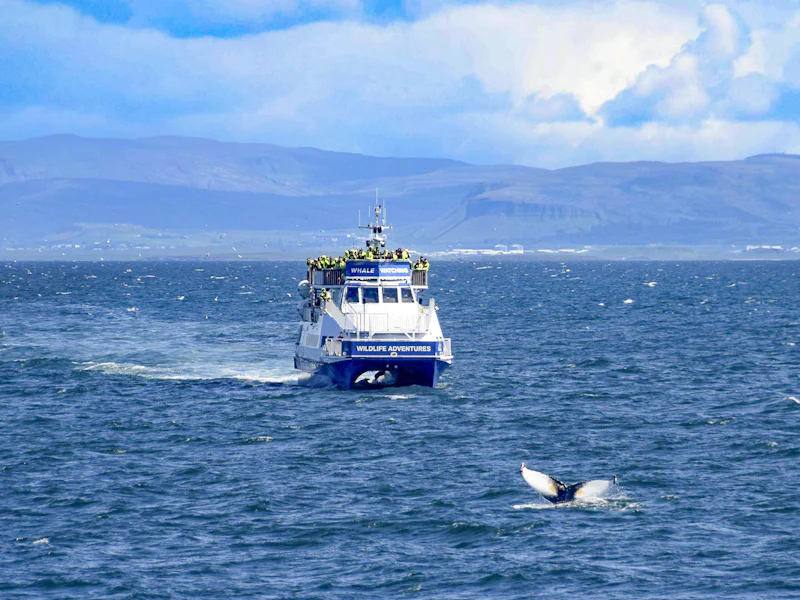
Whale watching tours in Reykjavik
Reykjavik
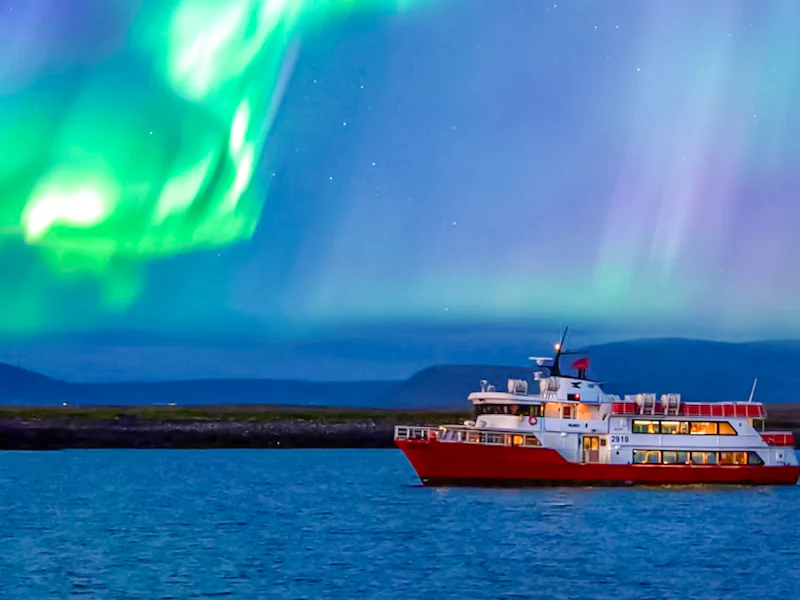
Reykjavik Whale Watching And Northern Lights Cruise Combo
Free cancellation5 hrs
from $207
Check availability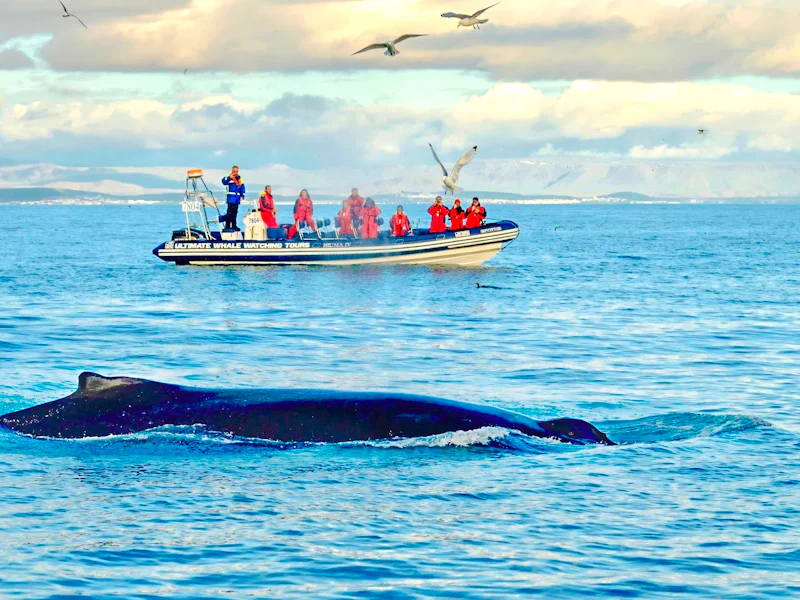
Reykjavik
Reykjavik Whale Watching And Puffin Tour On RIB Speedboat
Free cancellation2 hrs
from $206
Check availability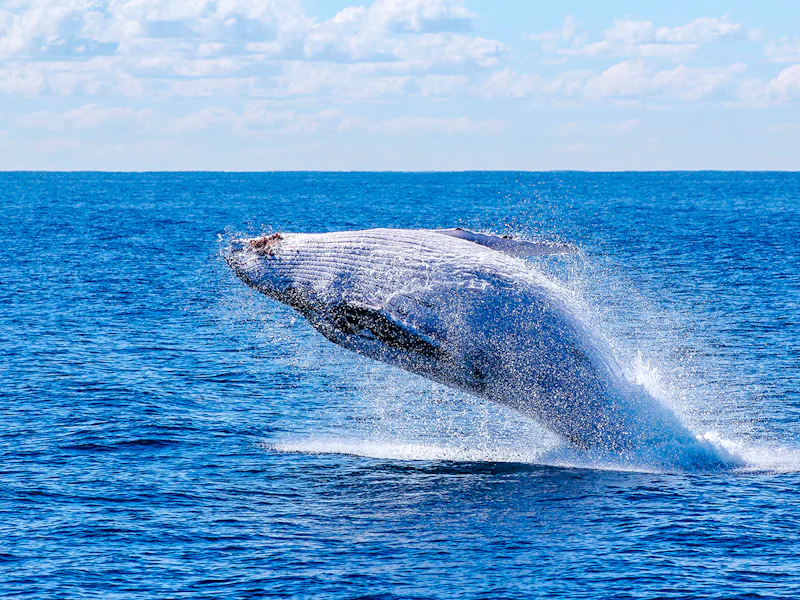
Reykjavik
Reykjavik Whale Watching On A Luxury Yacht
Free cancellation3.5 hrs
from $111
Check availability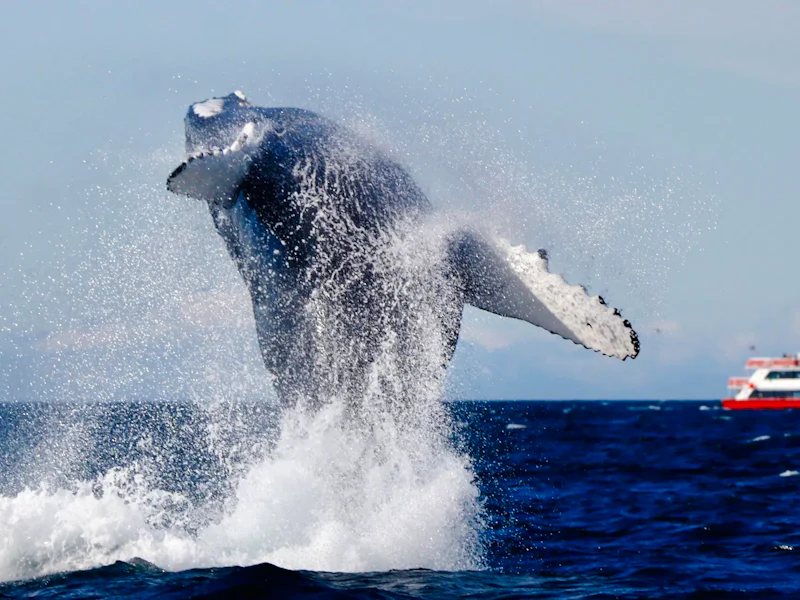
Reykjavik
Reykjavik The Original Whale Watching Tour
Free cancellation3 hrs
from $120
Check availability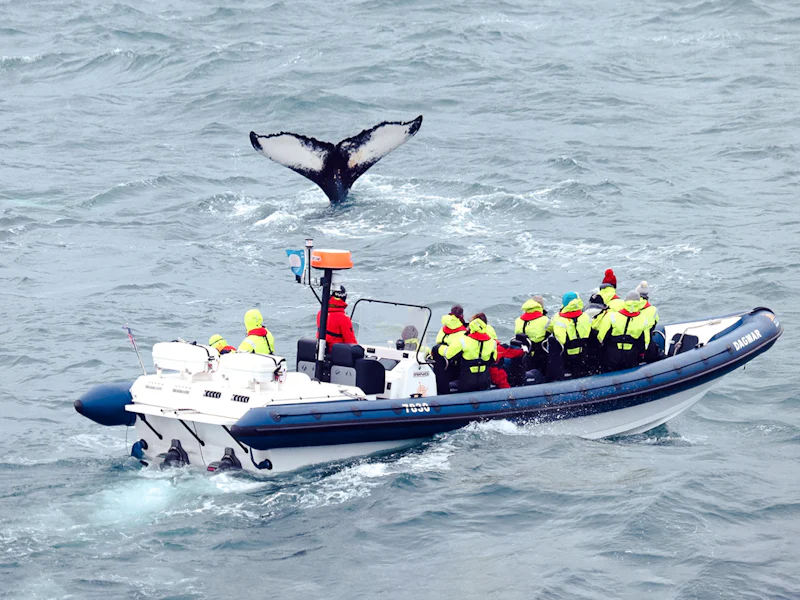
Reykjavik
From Reykjavik Whale Watching Tour On RIB Speedboat
Free cancellation2 hrs
from $202
Check availability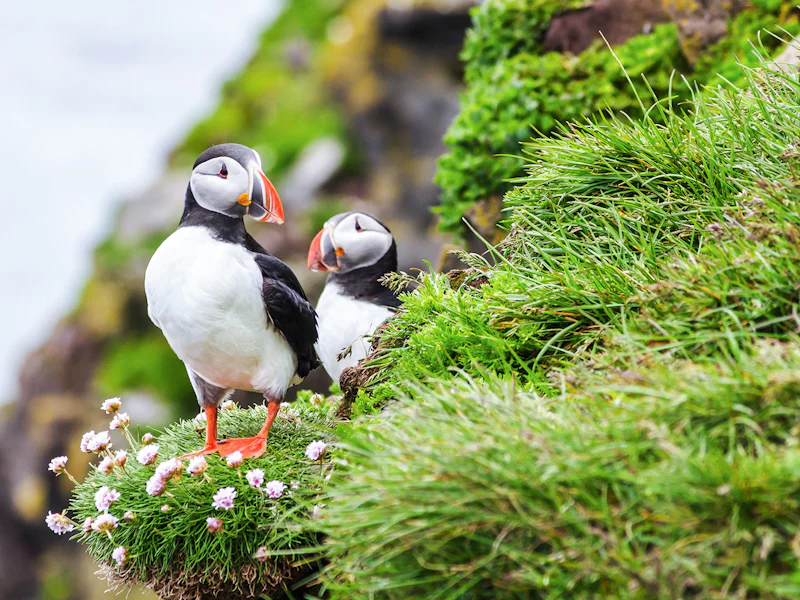
 New
Reykjavik
Reykjavik Midnight Sun Whale Watching Tour
Free cancellation2.5 hrs
from $140
Check availability New
Reykjavik
Reykjavik 2 Hour Whale Puffin Watching RIB Boat Tour
Free cancellation2 hrs
from $206
Check availability New
Reykjavik
Reykjavik Whales And Puffins Express Cruise Combo Tour
Free cancellation4 hrs
from $161
Check availability New
Reykjavik
Reykjavik Whale Watching And Marine Life Cruise
Free cancellation3.5 hrs
from $111
Check availabilityMore in Iceland: Husavik Akureyri All of Iceland
Plan your trip
When to go & what you'll see in Reykjavik
Best time to go
When whales are around, month by month.
J
F
M
A
M
J
J
A
S
O
N
D
Peak seasonGoodOff-season
Sighting probability
Based on operators' peak-season sighting records.
Chance of seeing whales or dolphins in Reykjavik in peak season
Real sightings by month
Based on 4,287 verified sightings logged in Reykjavik: real records, not estimates.
Source: GBIF.org, which aggregates marine mammal observations from OBIS-SEAMAP, Happywhale & iNaturalist. Retrieved October 2026.
What you'll see
The whales and dolphins you can realistically spot here, ranked by how often they are recorded.
Humpback whaleAcrobatic and curious, peaking June to September.3,758 sightings
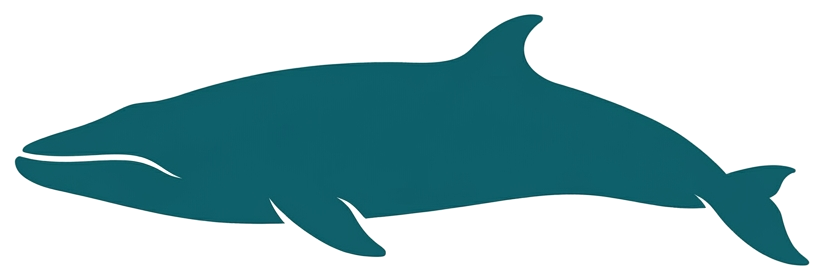
Minke whaleThe most commonly seen whale, present from April.335 sightings

White-beaked dolphinFast, playful pods often ride the bow.193 sightings
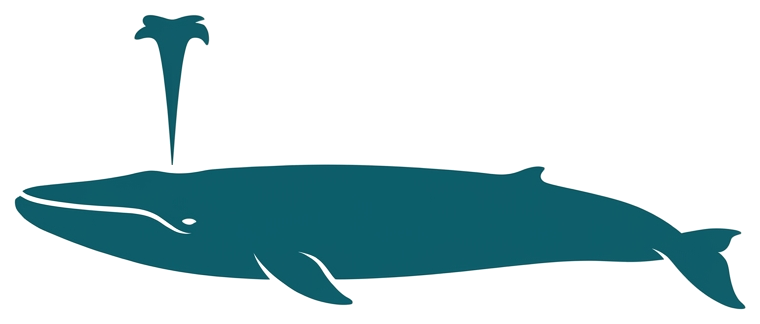
Blue whaleThe largest animal on earth, and a rare summer treat.1 sighting
Reykjavik whale watching: the easiest half-day from Iceland's capital
Reykjavik whale watching starts a five-minute walk from your hotel: boats leave the Old Harbour in the middle of the city and reach the feeding grounds of Faxafloi Bay, Iceland's largest bay, in under an hour. There is no overnight drive or early transfer to sort out first. In peak season around 96% of tours here find a whale, and the animal doing most of the work is the minke, a compact whale whose small curved dorsal fin has a habit of rolling past the bow just a few boat-lengths out.
We walk through when to go, the species you are likely to meet in Faxafloi, where in the city the boats leave from, what a typical Reykjavik tour costs and feels like across the widest range of formats any Icelandic port offers, and how to pick between them. All prices are from the eleven tours we compare here, most bookable through Headout with free cancellation, so a date can be held now and changed later without losing anything. Short on time in Iceland? This port suits you best.
11real tours compared
<1 hrOld Harbour to Faxafloi
3puffin islands nearby
$68+trip prices from
Best time for whale watching in Reykjavik
June, July and August are peak season, when Faxafloi Bay is busiest and operators report sighting rates around 96%. This is also puffin season on the islands just offshore, so it is the only stretch of the year when a combined whale-and-puffin outing makes sense, and the only window when the late-evening midnight-sun departure runs at all, since it depends on nights that barely darken.
April, May, September and October are the shoulder months, and a solid choice. Minke whales are present in the bay from April, humpback activity builds through late spring and holds into fall, and both tours and hotel rooms are easier to book than in July. For how Reykjavik's calendar compares with other Icelandic ports and destinations elsewhere, see our guide to the best time to go whale watching.
November through March is the off season for the standard day tour, but Reykjavik is the one Icelandic port with a winter option: a five-hour whale watching and northern lights cruise combo trades the summer's near-certain sighting for a shot at both a whale and the aurora on the same outing, something Husavik and Akureyri do not offer in the dark months.
You are sailing through a protected sanctuary. A section of Faxafloi Bay had already been closed to whaling to keep commercial whaling boats away from the same animals the tour boats were watching. In December 2017, after a campaign by IceWhale, the industry's own trade group, the government expanded that sanctuary substantially, covering water where the great majority of Iceland's minke hunting had taken place. By 2019 commercial minke whaling here had effectively stopped, in part because of the sanctuary your boat now crosses.
What whales you'll see in Reykjavik
Faxafloi does not have the species variety of the north coast, but four cetaceans account for nearly every sighting, and the minke whale carries most of the season. Beyond the four below, Iceland's orcas turn up elsewhere around the coast; off Reykjavik they stay an occasional surprise.
Minke whale
The backbone of a Reykjavik trip and present in the bay from April onward. It is the smallest of the great whales, usually around 25 to 30 feet in Icelandic waters, and travels alone or in loose small groups rather than pods. On a still morning it can surface close enough to a drifting boat that the guide barely needs to point, a low dark back and a small hooked fin breaking the surface two or three times before it dives again.
Humpback whale
A regular visitor to Faxafloi rather than the guaranteed sighting it is further north, and the whale most likely to put on a visible show when it does appear: a breach, a tail slap, a fluke lifted clear of the water before a deep dive. Numbers in the bay build as the water warms through late spring and stay active into fall. A humpback session close to the boat tends to be the moment people talk about on the walk back into town.
White-beaked dolphin
Quick, social and often the reason cameras come out fastest. Pods can range from a handful of animals to several dozen, and they will sometimes peel off to ride the wake for a few minutes before splitting off just as fast. They are strong, active swimmers that porpoise clear of the water when moving at speed, which makes them easy to spot even at a distance.
Blue whale
The largest animal alive, and rare this far south and west. Blue whales concentrate in the deeper, colder water off Iceland's north coast far more than in Faxafloi, so a sighting here is closer to a lottery win than a plan. If one does turn up, the tell is the blow: a column of spray well above anything a minke or humpback produces, visible minutes before the animal itself surfaces.
Where Reykjavik whale watching tours leave from
Every Reykjavik whale watching tour leaves from the Old Harbour, the working waterfront a short walk from downtown hotels, restaurants and the Harpa concert hall. From the harbor mouth it is a run of well under an hour into Faxafloi, a bay roughly 50 kilometers deep and 90 kilometers wide stretching between the Reykjanes and Snaefellsnes peninsulas, big enough that the city's boats rarely cross paths with each other. Most operators ask passengers to check in at the dock about 30 minutes before departure.
- Departure: Old Harbour
- Grounds: Faxafloi Bay
- Transit: under 1 hr
Because the harbor sits inside the capital, Reykjavik also has something no other Icelandic port can offer at the same scale: three small islands, Akurey, Lundey and Engey, close enough offshore that a whale tour and a puffin colony visit fit into one outing. If your Iceland trip centers on the north coast instead, our guide to whale watching in Husavik covers Skjalfandi Bay, where humpbacks take over as the main event in high summer. For the full country picture across all three departure hubs, see our overview of whale watching in Iceland.
No other Icelandic harbor gets you from hotel breakfast to open water in under an hour.
What a Reykjavik whale watching tour is like
Reykjavik has more choice than any other Icelandic port. Eleven different tours leave from one harbor, running from a one-hour puffin cruise up to a five-hour whale-and-aurora combo. The core decision on any of them is the same: a big, stable ship with an indoor cabin and an open deck, or a small, fast RIB that trades comfort for speed and proximity.
Classic ships
3 to 3.5 hours, from about $120. Steady, roomy, and the default choice for families and first-timers who want a relaxed few hours without giving up shelter from the wind.
Luxury yacht
3.5 hours, from about $111. Fewer passengers per rail than the classic ships, at a price that undercuts most of them.
RIB speedboats
2 hours, from about $202. Low, fast, and closer to the water than anything else on this list. Not for young children or anyone who wants to stay dry.
Puffin and whale combos
1 to 4 hours, from about $68 for a puffin-only cruise up to $206 for a combined RIB trip past the islands. The efficient choice if two wildlife highlights need to fit into one afternoon.
As a rough guide, the core Reykjavik tours sit between about $111 and $140, with the puffin-only cruise the cheapest thing on the water at $68 and the RIB and combo trips topping out near $200 to $207. The whale watching and northern lights cruise, at about $207 for five hours, is what makes a Reykjavik trip work outside peak season. Ratings across the harbor's better-reviewed tours run from about 4.2 to 4.6.
Check every Reykjavik tour's price, boat, duration and free cancellation in one list.
See the toursHow to choose the right Reykjavik whale watching tour
With eleven tours out of one harbor, the job is matching the format to your day.
- Match the format to the season first.The midnight-sun departure only runs in summer, and the northern lights combo only runs in the darker months. Pick the extra you want before you pick a date.
- Book peak dates early.June through August fills fastest, especially the smaller-capacity RIB and combo departures. Free cancellation on most listings means booking early costs nothing.
- Ship or RIB depends on who is coming.A classic ship suits families, photographers and anyone unsure about their stomach. A RIB suits a shorter, more intense trip for two able-bodied adults who do not mind getting wet.
- Stack the puffin islands if your time in the city is tight.A combo tour covers both animals in one outing. With a full day free, separate tours give each more of the guide's attention.
- Weigh ratings against price.Several tours here carry 4.2 to 4.6 ratings across dozens to well over a hundred reviews, more telling than a $10 gap between two similar listings.
Tips for whale watching in Reykjavik
Pack for the bay, not the city forecast
Reykjavik can feel mild on land and still be cold and windy out on Faxafloi, especially at speed on a RIB. A windproof layer, a hat and gloves cover most of the year, and sunglasses help on bright days since the glare off open water is stronger than it looks from the harbor wall.
Build the tour around the rest of your day
A morning departure leaves the afternoon free for the city center, while an evening midnight-sun cruise pairs naturally with a late dinner afterward. Few destinations let you plan a wildlife trip around a restaurant reservation this easily.
Take seasickness precautions before boarding
If you are prone to it, take a remedy before the boat leaves the dock, eat something light beforehand, and keep your eyes on the horizon once underway. A classic ship rides noticeably steadier than a RIB.
Consider the puffin combo if you are only in town briefly
Akurey and Lundey sit close enough to the harbor that a combined outing barely adds to the trip length. If a layover or a single free afternoon is all you have, this is the way to see two animals instead of one.
Your boat is respecting real boundaries
Operators here follow IceWhale's code of conduct on keeping distance from whales, and much of the water they cover sits inside the Faxafloi sanctuary that pushed commercial whaling out of the bay. Choosing a member operator is a small way of backing that arrangement.
The simple recipe
Book a morning or midnight-sun slot depending on your schedule, pick a classic ship if you want comfort or a RIB if you want speed, add the puffin islands if your time is short, and hold the date with free cancellation until you are sure.
Good to know
Reykjavik whale watching FAQ
From Reykjavik the prime window is June to August, with solid trips either side from April to October, and a few operators sail through winter for a quieter, colder outing. The month-by-month calendar above shows how Faxafloi Bay changes through the year.
Yes. Boats leave the old harbour in the city center and reach Faxafloi Bay in under an hour, where minke and humpback whales and white-beaked dolphins are the regulars and harbour porpoises are common closer to shore. Operators report a sighting on around 96% of peak-season trips.
For most visitors, yes. The boats leave straight from the city center, reach the whales in Faxafloi Bay in under an hour, and still carry roughly 96% peak-season odds, which makes it one of the simplest half-days to slot into an Iceland itinerary.
Sailing from the old harbour in the city center, Reykjavik tours start about $68 per person and mostly run $111 to $140. The vessel (large cruiser, RIB or yacht), the trip length and add-ons like a puffin-island detour set the price.
You book through Headout, which partners with vetted Reykjavik operators and shows free cancellation on most trips. Whale Watching is an independent affiliate site. Book through a link here and we may earn a small commission, at no extra cost to you.
Ready to find your whale in Reykjavik?
Compare tours in Reykjavik and book in minutes. Most offer free cancellation.
See tours in Reykjavik