 New
NewKapstadt
Private Hermanus Whale Watching Boat Tour And Hemel En Aarde Wine Tasting Day Trip From Cape Town
Free cancellation10 hrs
from $275
Check availabilityNew New
NewMore in South Africa: Hermanus All of South Africa
When whales are around, month by month.
Based on operators' peak-season sighting records.
Chance of seeing whales or dolphins in Cape Town in peak season
Based on 5,083 verified sightings logged in Cape Town: real records, not estimates.
Source: GBIF.org, which aggregates marine mammal observations from OBIS-SEAMAP, Happywhale & iNaturalist. Retrieved October 2026.
The whales and dolphins you can realistically spot here, ranked by how often they are recorded.
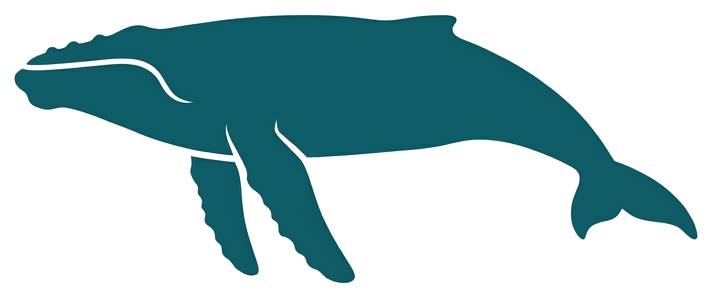
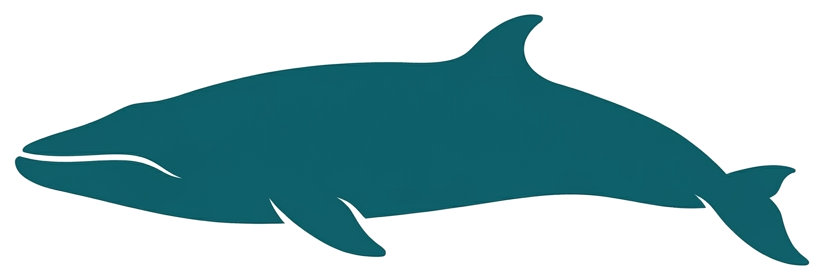

Cape Town whale watching can mean spotting a whale from a coast road, though the boats get you a lot closer. From June through November, southern right whales move into the bays around the Cape Peninsula to calve, and on a good day between August and October a mother and calf will surface within a few hundred meters of the shore at Simon's Town or along the Boyes Drive lookout, blowing spray into the wind while commuters watch from their cars. About 9 in 10 tours find whales in peak season, with Table Mountain behind you and False Bay in front.
Read on for the month-by-month best time to go, the four whales and dolphins you're most likely to see, where the boats leave from and where to stand for free, what a tour costs, and how to choose between the trips on offer here. Prices come from the Cape Town tours we compare on Headout, all bookable with free cancellation, so a peak-season date can be held and released if your plans shift.
August, September and October are the peak of the Cape Town whale watching season. This is when southern right whales are settled into the bays around the peninsula to calve and nurse, sighting rates from both boat and shore run around 90%, and the cow-calf pairs that make this coast famous are at their most reliable. If you can only travel in one window, aim for these three months.
June, July and November are the shoulder months, still good but a little less certain. Whales are arriving in June and starting to leave by late November, so sightings happen but are not yet at their peak density. Humpback whales pass through on migration during this same stretch, adding a second species to the mix even before the southern rights are at their thickest.
December through May is the off season for Cape Town whale watching proper. The southern rights that define this coast have moved back south to their Southern Ocean feeding grounds, though Bryde's whales, which live off the Cape year-round, and resident dolphin pods keep boat trips worthwhile even outside the main season. For how Cape Town's calendar compares with the rest of the country, see our guide to the best time to go whale watching.
You do not need a ticket for this one. Boyes Drive, the clifftop road above Muizenberg on the False Bay coast, is a free public viewpoint where a southern right whale and her calf can appear close enough to watch for an hour, especially from August to October. Pack a thermos and park along the road.
Cape waters host a handful of headline species, and four of them account for almost everything you will see on a Cape Town whale watching trip, whether you are on a boat in False Bay or standing on the cliffs above it.
The signature species of a Cape Town whale watching trip and the reason the season runs June to November. Females arrive from the Southern Ocean to calve and nurse in the sheltered water of False Bay and the Cape's other bays, sometimes within a few hundred meters of the cliffs, and a slow-moving mother with a calf tucked against her flank is the classic sighting from both boat and shore. Adults reach roughly 50 feet and are recognizable by the pale, rough patches on their heads called callosities, unique to each whale like a fingerprint. According to NOAA Fisheries, the species is still listed as endangered under the US Endangered Species Act, though the population that calves off South Africa is one of the better-studied groups and has recovered strongly since whaling ended.
Humpbacks pass Cape Town on migration between Antarctic feeding grounds and warmer breeding waters to the north, with the steadiest sightings in winter and spring as they round the peninsula. They are the acrobats of the group: long white flippers, a habit of breaching clear of the water, and a knuckled ridge in place of a true dorsal fin. A humpback moving past False Bay will often surface two or three times in quick succession before a longer dive, which gives a boat time to close the distance and a clifftop viewer time to get the binoculars up.
Unlike the migratory humpbacks and southern rights, Bryde's whales live off the Cape coast year-round, feeding on the shoals of anchovy and sardine that move along the shelf. They are lean and fast for a baleen whale, with three ridges running from the blowholes to the tip of the snout, and they tend to surface quickly and quietly, without a tall blow. The International Whaling Commission notes that the inshore Bryde's whales found off southern Africa are a distinct, resident population separate from the larger offshore form, which is part of why this stretch of coast has been studied so closely. Sightings are less predictable than for the seasonal species, but Bryde's whales turn up on Cape Town boat trips at almost any time of year.
Long-beaked common dolphins travel Cape waters in pods that can run into the hundreds, riding a boat's bow wave and leaping clear of the surface in a way that turns heads even on a trip built around whales. They are the species most associated with the sardine run, the mass movement of sardine shoals along the South African coast that pulls in predators from dolphins to gannets to sharks, and Cape waters see the edges of that spectacle. Bottlenose dolphins share the same bays in smaller, more settled groups and are a near-constant presence on boat trips into False Bay.
Cape Town's whale watching happens almost entirely around False Bay, the wide curve of water east of the peninsula, with a second option for travelers happy to add an extra hour or two on the road toward Hermanus.
Simon's Town, on the False Bay side of the peninsula, is the main departure point for Cape Town's own whale watching boats. From here, permitted operators head into water where southern right whales calve in winter and spring, humpbacks pass on migration, resident Bryde's whales feed year-round, and pods of common and bottlenose dolphins turn up through the year. Simon's Town also sits beside the Boulders Beach penguin colony, which is why several Cape Town tours pair a whale trip with a stop to see the penguins on the same day.
You do not need a boat to see whales here. Boyes Drive above Muizenberg and Rooikrans near Cape Point look straight out over False Bay, and on the Atlantic side of the peninsula Chapman's Peak Drive and the stretch toward Kommetjie and Scarborough add more recognized vantage points. All of them fall within Table Mountain National Park, which manages much of this coastline as a marine protected area and lists whale spotting from these roads as a major seasonal draw, particularly from August to October. It is worth building at least one clifftop stop into a Cape Town day even if you also book a boat.
For a different stretch of coast, many visitors pair a Cape Town trip with the wider Whale Coast around whale watching in Hermanus, about two hours east, where Walker Bay brings whales even closer to land. Several Cape Town tours build this into a full day out, adding a boat trip and a stop in the Hemel-en-Aarde wine valley to the whale watching itself. For the bigger picture of when and where to go across the country, see our guide to whale watching in South Africa.
Cape Town is one of the few cities where you can watch a southern right whale calve from a clifftop road and still be back in town for lunch.
Most Cape Town whale watching happens as part of a full day out. A car collects you in the city, the drive out to False Bay or on to Hermanus takes in the coastline itself, and the boat portion is built around an hour or two on the water with a skipper watching for blows and dorsal fins while a guide talks through what you're seeing. Because the whales calve and feed close to shore here, boats do not need to travel far once they clear the harbor, and a good guide will cut the engine and drift once a mother and calf are found, letting the whale set the pace.
Around $215 for a private tour that combines a whale watching boat trip with a visit to the Stony Point penguin colony and transfers through the Hermanus wine region. Built for visitors who want whales alongside the Cape's other wildlife and scenery in a single booking, with private transport door to door.
From about $275 for a 10-hour private day trip that pairs a Hermanus whale watching boat tour with wine tasting in the Hemel-en-Aarde valley. The longest of the Cape Town options, and the one to pick if you want the boat trip itself to be the main event of the day.
Both of the tours we track from Cape Town sit at the pricier end of the whale watching spectrum, from about $215 to $275, because they are private, full-day itineraries. You pay more than for a standalone boat ticket and get fewer people on board, private transport and extra stops in return. If your priority is getting on the water as cheaply as possible, ask a Simon's Town operator directly about a shorter, standalone trip; if you want the whole day built for you with wildlife and wine included, the packaged tours above are the ones bookable in advance.
Line up the Cape Town tours by price, itinerary and free cancellation.
See the toursNearly everything routes through False Bay or out to Hermanus, so the choice is mostly about how you want to spend the day.
False Bay and the Cape Peninsula are exposed to wind even on a sunny day, and a boat moving at speed adds to the chill. Bring a windproof layer, something warm for your head, and sunglasses, whatever the forecast says on land.
Boyes Drive is free, Rooikrans and Chapman's Peak Drive cost only a park entry fee or a road toll, and all three put you well above the swell. If a boat still appeals, pick a calmer day and eat a light meal before you board.
A blow on the horizon is easy to miss with the naked eye from a coast road, and binoculars turn a distant splash into a clear view of a mother and calf. They earn their place in your bag even if you also book a boat.
South Africa permits its whale watching vessels under conditions designed to limit how close a boat approaches and how long it stays with an animal. Whale and Dolphin Conservation recommends choosing operators who let whales set the pace and do not chase a sighting, a good standard to apply on this coast too.
Southern right whales were hunted close to local extinction off South Africa before protection began, and the population that now calves in these bays each winter is one of the clearer recoveries of any great whale. Every season's calf count, tracked by researchers along this coast, adds another year to that record.
Come between August and October if your dates are flexible, check a clifftop viewpoint first, and add a boat trip if you want to get closer. Between the free coast road and a private tour into False Bay, Cape Town is one of the easier places in the world to see a whale, though hardly the only one among the world's other whale watching hotspots.
You can see whales in Cape Town from June to November, when southern right whales move into False Bay to calve. August to October is the peak, with sighting rates around 90% and cow-calf pairs close to shore. Humpback whales pass on migration through the same months.
False Bay is the best area, with boats leaving from Simon's Town into water where southern rights calve and Bryde's whales feed year-round. For even closer whales, many visitors drive about two hours east to Hermanus on the Whale Coast, where Walker Bay brings them right up to the cliffs.
Yes. Clifftop viewpoints ring the Cape Peninsula, from Boyes Drive above Muizenberg and Rooikrans on False Bay to Chapman's Peak Drive on the Atlantic side, all within Table Mountain National Park. From August to October a southern right whale and calf can appear close enough to watch for an hour, with no boat needed.
Cape Town tours start from about $215 per person and rise to around $275, because the ones bookable in advance are private, full-day trips that add penguins or Hermanus wine tasting to the boat. For a cheaper standalone boat, ask a Simon's Town operator directly, or watch free from the coast road.
Bookings are processed through Headout, which partners with vetted Cape Town operators. Whale Watching is an independent affiliate site. We may earn a small commission if you book through a link here, at no extra cost to you.
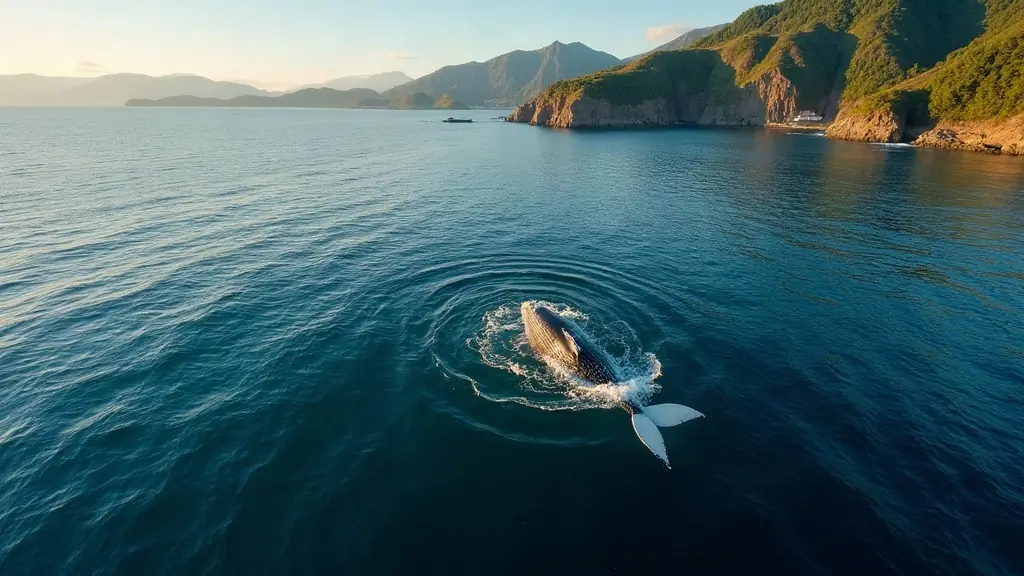
Compare tours in Cape Town and book in minutes. Most offer free cancellation.
See tours in Cape Town