 New
NewJuneau
Juneau Kayak Whale Watching At Channel Islands State Marine Park
Free cancellation6 hrs
from $471
Check availabilityNew New
New New
New New
New New
NewWhen whales are around, month by month.
Based on operators' peak-season sighting records.
Chance of seeing whales or dolphins in Alaska in peak season
Based on 32,791 verified sightings logged in Alaska: real records, not estimates.
Source: GBIF.org, which aggregates marine mammal observations from OBIS-SEAMAP, Happywhale & iNaturalist. Retrieved October 2026.
The whales and dolphins you can realistically spot here, ranked by how often they are recorded.
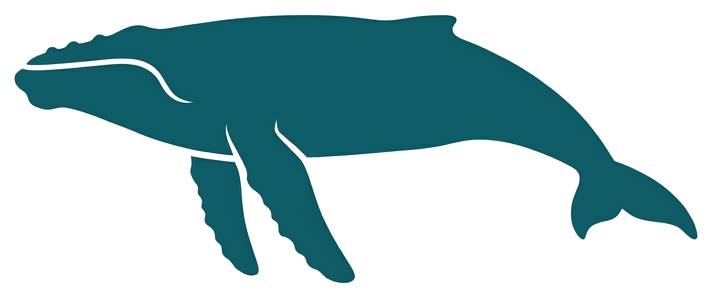
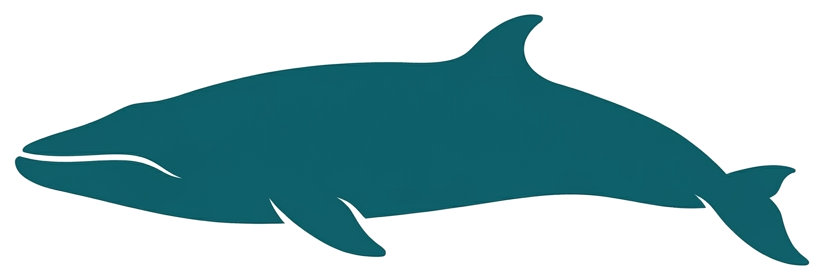
Alaska whale watching offers something few places can match: a group of humpback whales working together to catch their dinner. From June through August, humpbacks pack the Inside Passage of Southeast Alaska to feed, and a subset of them have learned to hunt cooperatively, blowing a spiral curtain of bubbles around a school of herring, then lunging up through the middle of it together, jaws wide, in a single explosive rush. Stephens Passage near Juneau and the waters around Icy Strait Point are two of the best places on Earth to watch it happen. Picture the surface going still, a ring of bubbles breaking through it, and then four or five sets of jaws erupting at once while gulls wheel in for the scraps.
Here you will find the month-by-month best time to go, the three signature species you are most likely to see, the state's main departure regions, what a typical tour costs and includes, and how to pick a boat. Prices below are snapshots of the tours we compare, most bookable with free cancellation, so you can hold a peak-summer date now and change your mind later without losing a cent. If Alaska is one of several trips on your shortlist, our full list of whale watching destinations lines it up against every other region we cover.
The short answer is June, July and August. Those three months are the peak of the Alaska whale watching season, when humpback whales are settled into the Inside Passage's feeding grounds in the largest numbers and sighting rates on dedicated tours run around 96%. This is also when bubble-net feeding groups are at their most active, since the whales need to feed nearly around the clock to build the fat reserves that carry them through winter. If you can only travel once, build the trip around these three months.
May and September are solid shoulder months. Humpbacks are already arriving by May and many are still present in September, sightings stay good, and both crowds and prices ease off a little compared with the height of summer. Orcas are seen across this whole window too, since both resident, fish-eating pods and transient, marine-mammal-hunting pods move through Southeast Alaska all season.
October through April is the off season for the classic Southeast Alaska day tour. Most of the summer humpback population has left for warmer breeding waters by then, daylight shortens fast, and the small-boat day tours largely stop running. The one exception is the Gulf of Alaska side of the state, where gray whales pass Seward and the Kenai Fjords each spring on their migration north, a separate season from the Southeast summer. For a side-by-side comparison of Alaska against warmer-water destinations, see our best time for whale watching guide.
The bubble-net trick. Bubble-net feeding is a learned, cooperative hunting technique found in only a handful of humpback populations worldwide, and Southeast Alaska is one of the best places on the planet to see it. A small group of whales dives together, blows a ring of bubbles around a school of herring or capelin to trap the fish, then lunges upward through the center of the ring in unison, mouths open. Researchers tracking Southeast Alaska's humpbacks have identified roughly 60 regular bubble-net participants among the thousands of whales that summer in the region, and the behavior tends to recur in the same waters year after year, especially around Stephens Passage and Icy Strait.
Three cetaceans account for almost every sighting on a Southeast Alaska whale watching tour, and each is doing something different with its summer. Marine wildlife here goes well beyond whales, too: calving glaciers, Steller sea lions hauled out on rocks, and bald eagles overhead are all part of the same trip.
The whale Alaska whale watching is built around. Adults reach up to about 60 feet and 40 tons, according to NOAA Fisheries, and thousands of them arrive in the Inside Passage each summer specifically to feed. Most feed alone or in loose groups, lunging through bait balls near the surface, but a subset of Southeast Alaska humpbacks have learned bubble-net feeding, the cooperative technique that draws whale watchers to this stretch of coast. Commercial whaling reduced humpback numbers by more than 95 percent before the 1985 international moratorium, and the species has been rebounding steadily since, though a few regional populations remain listed as endangered.
Alaska hosts both major types of North Pacific orca, and telling them apart is part of the fun. Resident pods travel in large, stable family groups and hunt fish, mostly salmon, while transient, or Bigg's, orcas move in smaller groups and hunt marine mammals such as seals and sea lions, according to Whale and Dolphin Conservation. A pod can turn up almost anywhere in the Inside Passage on a given day, and an experienced guide can often tell which type you are looking at from behavior alone: resident pods calling constantly to each other, transients moving in near silence so as not to alert their prey.
A springtime specialty rather than a summer regular. Gray whales pass along Alaska's Gulf Coast, near Seward and the Kenai Fjords, during their spring migration from breeding lagoons off Baja California to Arctic feeding grounds, a round trip that can run past 10,000 miles and ranks among the longest migrations of any mammal. The eastern North Pacific population was once listed as endangered but was declared recovered and delisted in 1994, according to NOAA Fisheries. If your Alaska trip is timed for spring rather than peak summer, Seward is the place to look for them.
Alaska whale watching is spread across a coastline bigger than most countries, but three regions account for most of it, and each has its own character.
Alaska's capital sits beside Stephens Passage and the waters around Admiralty Island, some of the richest summer humpback feeding grounds in the Pacific, and it is the most heavily used whale watching base in the state thanks to the volume of summer cruise and independent travel through the Inside Passage. Boats leave straight from the harbor and are often on whales within 20 to 30 minutes. Many Juneau tours pair the whale watching with a visit to Mendenhall Glacier, so you can combine a wildlife cruise and a glacier walk or visitor-center stop in a single outing. The tours we compare are based here, and it is a reliable bet for both humpbacks and orcas all summer.
Icy Strait Point, next to the Tlingit village of Hoonah, sits beside Point Adolphus and Icy Strait, waters that draw one of the largest concentrations of feeding humpbacks anywhere in Alaska. The season here runs unusually long, from late April into October, and the combination of a major cruise port and consistently productive feeding grounds has made this stretch of coast one of the more dependable places in the state to see a whale, sometimes several, close to the boat. Alongside Juneau, it is prime bubble-net territory.
Seward, on the Gulf of Alaska side of the Kenai Peninsula, is the gateway to Kenai Fjords National Park, where wildlife cruises run daily from March through October past tidewater glaciers that calve directly into the sea. Gray whales pass through in spring, typically March and April, on their migration to Arctic feeding grounds, orcas are seen most reliably from mid-May through mid-June, and humpbacks build through the rest of summer. It is a different kind of trip from the Southeast Alaska ports, built around the whole Kenai Fjords ecosystem, glaciers, puffins and sea lions included.
Southeast Alaska is one of the only places on Earth where a group of whales will blow a curtain of bubbles around a school of herring and then break the surface together, jaws open.
Most Juneau tours run 3 to 5.5 hours, and the extra time on the longer options usually buys a stop at Mendenhall Glacier rather than more time searching for whales. A typical outing starts with a safety briefing at the dock, a run out into Stephens Passage or the waters around Auke Bay, then an open-ended stretch of watching and following whatever the guide finds, whether that is a lone humpback lunge-feeding, a pod of orcas moving through, or, with some luck, a bubble-net group at work. Boats carry naturalist guides who narrate constantly, calling out blows and dorsal fins long before most passengers spot them. Four broad formats define the choice:
3 hours, from about $154. The fastest way onto the water and the cheapest tour on this page, covering more distance in less time than a standard cruise. A good pick if your schedule is tight.
3.5 hours, from about $184. Fewer passengers than a large tour boat, with more room at the rail and a guide who can adjust the route to wherever whales were last seen.
4.5 to 5.5 hours, from about $189 to $199. Pairs a whale cruise with a walk to Mendenhall Glacier and Nugget Falls or a stop at the glacier visitor center, the best option if you want whales and ice in one day.
6 hours, from about $471. A slower, human-powered, full-day format out to Channel Islands State Marine Park, for travelers who would trade a fast whale-focused cruise for a slow wilderness day. It sits at the premium end, priced and paced unlike the boat tours above it.
As a rule of thumb, the core Alaska whale watching tours sit in a band of about $184 to $199, covering the small-group catamaran and the two glacier combos. The jet boat is the cheapest way onto the water at about $154, and the full-day kayak trip to Channel Islands State Marine Park is the premium outlier at about $471. You can compare every current option, including exact duration and what is included, on the full tour list.
Compare every Alaska whale watching tour side by side: price, duration and free cancellation.
See the toursAlaska rewards a little planning more than most whale destinations, mostly because the season is short and the state is enormous. A few decisions narrow the choice quickly.
Even a sunny July day in the Inside Passage turns cold once the boat is moving, and rain is common enough to plan for regardless of the forecast. Bring a waterproof outer layer, a warm mid-layer, gloves and a hat, and dress so you can add or shed layers as the day changes. Many boats have an indoor cabin, but the best views are usually from the open deck.
The Inside Passage is more sheltered than the open ocean, but a half-day or full-day boat trip can still unsettle a sensitive stomach. Take a remedy before boarding if you are prone to it, eat something beforehand, and keep your eyes on the horizon rather than a screen if you start to feel it.
A distant blow is often the first sign of a whale, and binoculars turn that puff into a clear view long before the boat gets close. For photos, a fast shutter speed matters more than zoom on a moving deck, especially if you want a chance at catching a bubble-net group breaking the surface.
In Glacier Bay and the surrounding waters, vessels must stay at least a quarter nautical mile from humpback whales and cannot position themselves in a whale's path, rules set out by Glacier Bay National Park and Preserve to protect feeding whales from disturbance. Similar approach distances apply more broadly across Southeast Alaska. Pick an operator that lets the whales set the pace.
NOAA Fisheries works with the University of Alaska, Glacier Bay National Park and the Alaska Whale Foundation on an ongoing photo-identification survey of Southeast Alaska's humpbacks, tracking individual whales by their tail flukes across seasons. Guides on many tours photograph flukes for the same reason, so the whale you watch dive off Juneau may already have a name and years of recorded history behind it.
Come between June and August for the best odds and the most active bubble-net feeding, pick the region that fits your itinerary, choose a boat length that matches your schedule, and book early with free cancellation as your safety net, the same approach that works for whale watching trips anywhere on the planet.
June, July and August are the best months, the peak of the Alaska season, when humpbacks pack the Inside Passage to feed and sighting rates on dedicated tours run around 96%. This is also when cooperative bubble-net feeding is most active. May and September are solid shoulder months with good sightings and smaller crowds.
Southeast Alaska around Juneau is the top base, sitting beside Stephens Passage and Admiralty Island, some of the richest summer humpback feeding grounds in the Pacific. Icy Strait Point near Hoonah and Point Adolphus is equally reliable, while Seward and Kenai Fjords, on the Gulf of Alaska side, are best for spring gray whales and glaciers.
Yes. Juneau is the most heavily used whale watching base in Alaska, and boats leave straight from the harbor, often on humpbacks or orcas within 20 to 30 minutes. It sits beside Stephens Passage, prime bubble-net feeding water, and many tours pair the whales with a stop at Mendenhall Glacier.
Alaska tours start from about $154 per person for a 3-hour jet boat, with the core small-group catamaran and glacier-combo trips falling in the $184 to $199 range; a full-day kayak trip runs to about $471. Longer tours mostly add a Mendenhall Glacier stop rather than more whale time, so choose on how you want to spend the day.
Bookings are processed through Headout, which partners with vetted local operators. Whale Watching is an independent affiliate site. We may earn a small commission if you book through a link here, at no extra cost to you.
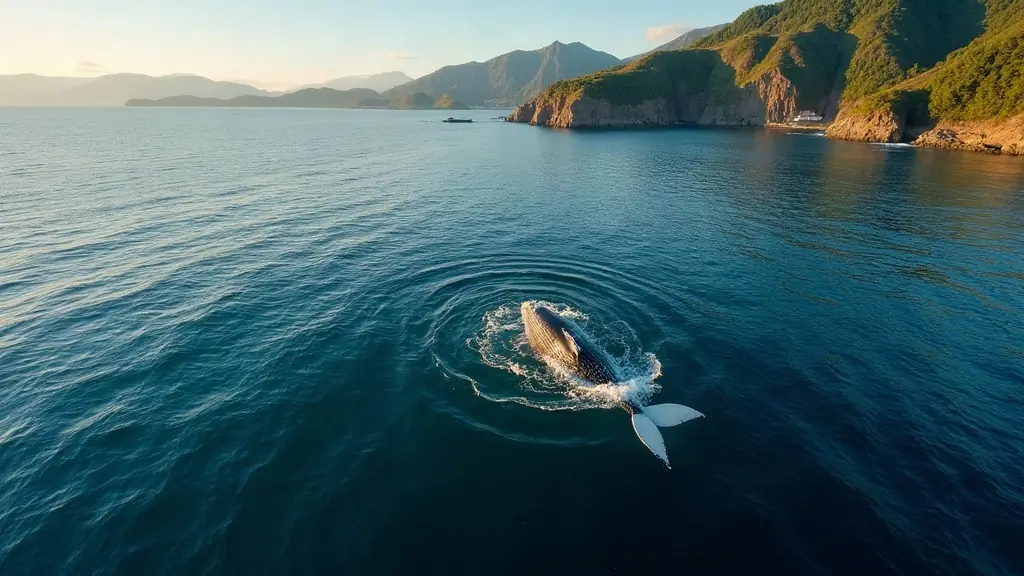
Compare tours in Alaska and book in minutes. Most offer free cancellation.
See tours in Alaska