Los Angeles
Los Angeles Whale Watching Dolphin Tour
Free cancellation2.5 hrs
from $45
Check availability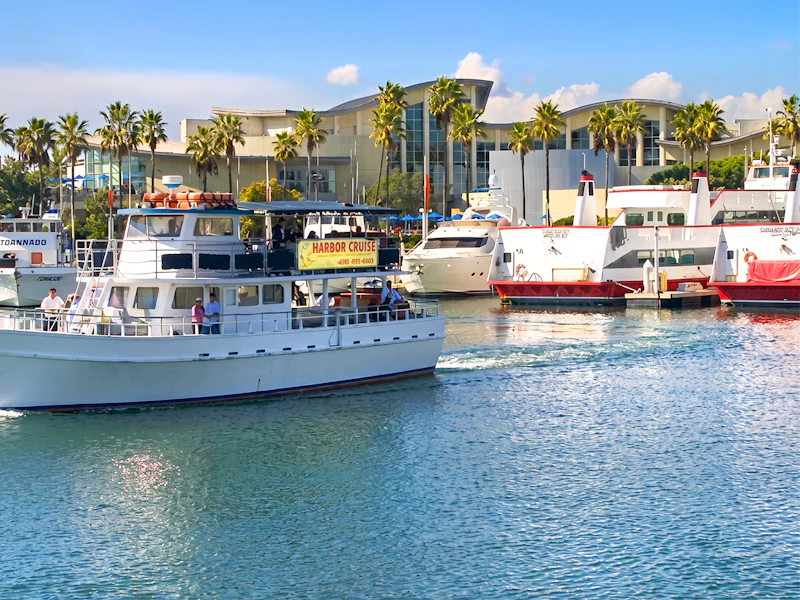
 New
NewWhen whales are around, month by month.
Based on operators' peak-season sighting records.
Chance of seeing whales or dolphins in California in peak season
Based on 98,566 verified sightings logged in California: real records, not estimates.
Source: GBIF.org, which aggregates marine mammal observations from OBIS-SEAMAP, Happywhale & iNaturalist. Retrieved October 2026.
The whales and dolphins you can realistically spot here, ranked by how often they are recorded.
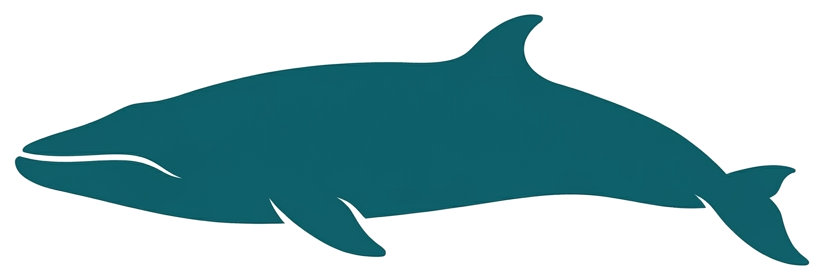
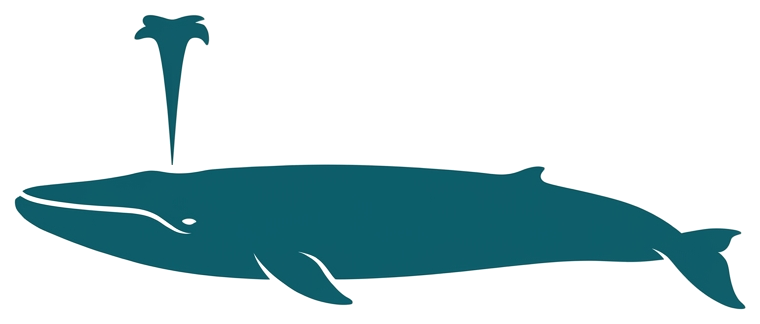

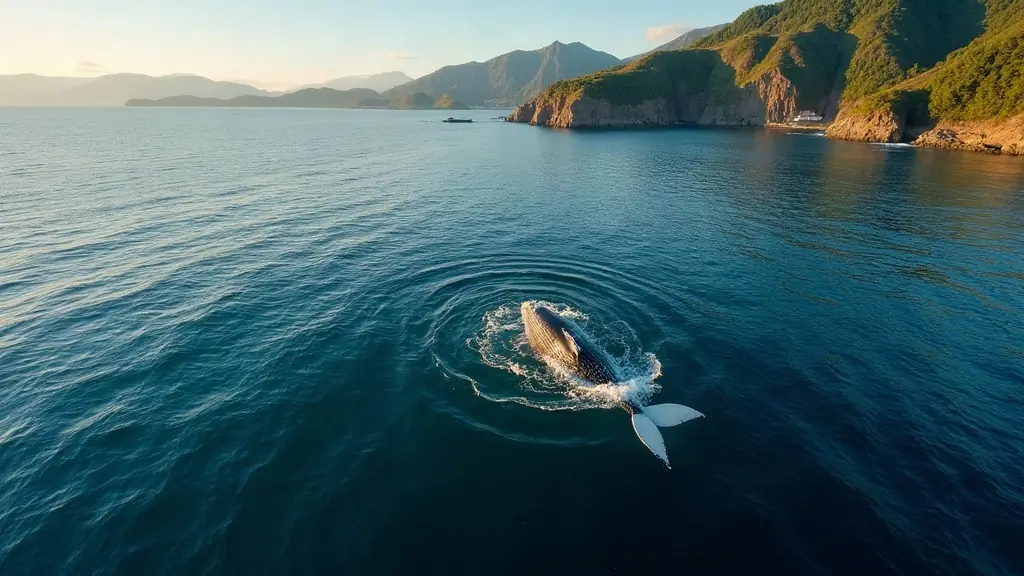
California whale watching is unusual among wildlife trips because it has two seasons. In winter and early spring, roughly 18,000 gray whales file past the coast on one of the longest migrations of any mammal on Earth, often visible from a headland without a boat at all. In summer and fall, the crowd changes entirely: blue whales, the largest animals that have ever lived, and humpback whales move in close to feed on dense swarms of krill and anchovies, sometimes within a mile or two of Monterey, the Golden Gate or the Channel Islands. Picture a gray whale's mottled back rolling past a pier in February, then swap the scene for a blue whale's long back cutting the surface off Monterey Bay in August.
Here you get the two-season calendar, the four species you are most likely to meet, the three departure cities with links to their own pages, what a typical tour costs, and how to choose a boat. The prices are from tours we compare, most bookable through Headout with free cancellation, which lets you hold a date and still change your mind at no cost.
California whale watching follows two calendars, so start by choosing one. The first is the gray whale migration. Roughly 18,000 eastern North Pacific gray whales, NOAA Fisheries' 2026 estimate, travel this coast twice a year: southbound from about December through February, headed for calving lagoons in Baja California, then northbound from about March into April with mothers and newborn calves hugging the shoreline on the return trip. This is the most reliable whale watching window in the state, because the whales are moving in a predictable, narrow corridor close to shore, and boats from San Diego to San Francisco intercept them within an hour of the harbor.
The second calendar belongs to blue and humpback whales, and it runs from about June through October or November. Instead of migrating past, these whales stop and feed, drawn by upwelling currents that concentrate krill and anchovies close to the surface. Monterey Bay and the Farallon Islands, off San Francisco, are the two richest feeding grounds in the state, and both can produce multiple whale species plus dolphins in a single outing at the height of summer. Overall sighting rates across the state run close to 95% in peak windows, according to the tours we track, though the two seasons look and feel very different on the water: a steady procession of migrating grays in winter versus active, often prolonged feeding sessions from blues and humpbacks in summer.
Shoulder months, roughly April, May, October and November, sit between the two peaks. Sightings continue, migration stragglers and early feeding whales overlap, and boats run with a bit more room and often a bit less competition for a good rail spot. There is no true off season on this coast the way there is farther north; something is usually moving through California waters most months of the year. If you are comparing this two-season pattern against other whale watching regions, our best time for whale watching guide lines the seasons up side by side.
Two seasons on one coast. Come in winter for the gray whale migration, a slow, dependable parade of whales heading to and from Mexico within sight of the shore. Come in summer for blue and humpback whales that stay and feed, often diving and surfacing repeatedly in the same patch of water for an hour at a time. Neither trip resembles the other, so decide which experience you want before you pick your month.
California's cold, nutrient-rich waters support a wide range of cetaceans and other marine wildlife, but four species account for almost every sighting on a typical whale watching tour along this coast.
The whale California whale watching is named for. Gray whales migrate past the coast in winter and spring, southbound toward Baja California lagoons from about December to February and northbound with calves from March into April. A gray whale surfaces with a mottled, barnacle-crusted back rather than a tall dorsal fin, and a heart-shaped blow that is easy to spot from a headland or a boat. According to NOAA Fisheries, the eastern North Pacific population was removed from the endangered species list in 1994 after recovering from commercial whaling, though a 2019 to 2023 unusual mortality event cut the population sharply before NOAA declared it over.
The largest animal on Earth, and one that spends its summer off California rather than passing through. Blue whales concentrate around Monterey Bay and other productive feeding grounds from roughly June to October, gorging on dense patches of krill. An adult can reach up to about 100 feet, and the blow alone can be visible for miles on a calm day. NOAA Fisheries lists the species as endangered, a legacy of 20th-century whaling that the current population has still not fully recovered from.
Acrobatic and social, humpback whales feed close to shore in California from summer into fall, often in the same waters as blue whales. They breach, slap their tails and lunge-feed at the surface, which makes them the most reliably photogenic whale on this coast. NOAA Fisheries notes that humpback numbers have grown substantially since the 1985 international whaling moratorium, though entanglement in fishing gear remains an ongoing threat the agency actively works to reduce.
Not a whale, but the marine wildlife sighting most tours can count on almost any month. Common dolphins travel in super-pods that can run into the thousands, riding a boat's bow wake and leaping in open water. They are frequently seen alongside migrating gray whales in winter and feeding blue and humpback whales in summer, and a large pod is often the first sign that a captain steers toward, since dolphins and whales both follow the same food.
Three cities cover almost every California whale watching tour, and each has its own detailed page with local tours, prices and seasons.
San Diego is the rare year-round California whale watching destination, thanks to its position at the southern end of the gray whale migration route. Gray whales pass close by in winter, and blue and humpback whales feed offshore in summer, so there is rarely a dead month here. A 1.5-hour harbor and coastal cruise from the Embarcadero runs from about $38, a mid-range price for the state paired with its longest season. Read the full guide to whale watching in San Diego for the complete tour lineup.
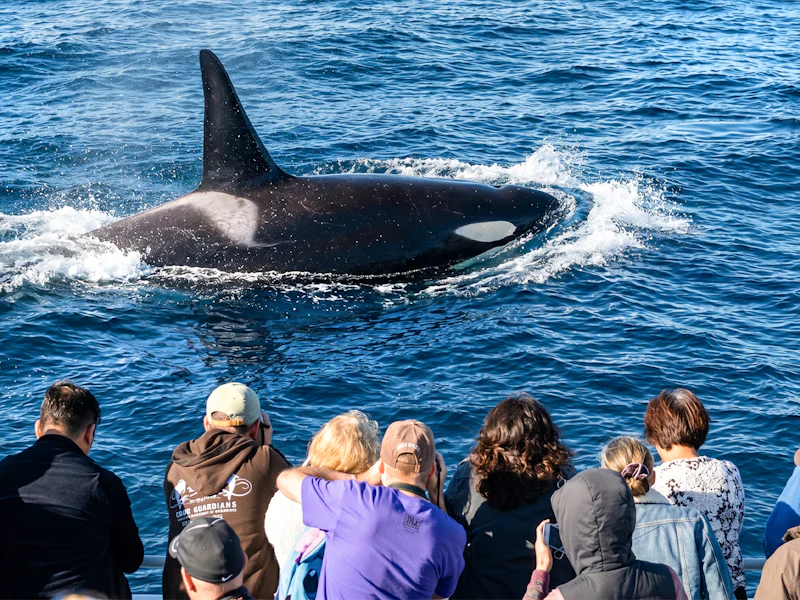
Off Los Angeles, tours leave from the harbor towns of Long Beach and San Pedro, putting boats into the migration corridor and summer feeding grounds within a short run from the dock. Gray whales pass in winter and blue whales feed offshore in summer, with common dolphins a near-constant bonus. A short harbor and coastal cruise runs from about $15, making this the cheapest way onto the water in the state, while a dedicated 2.5-hour whale watching and dolphin tour runs from about $45. See our page on whale watching in Los Angeles for the details.
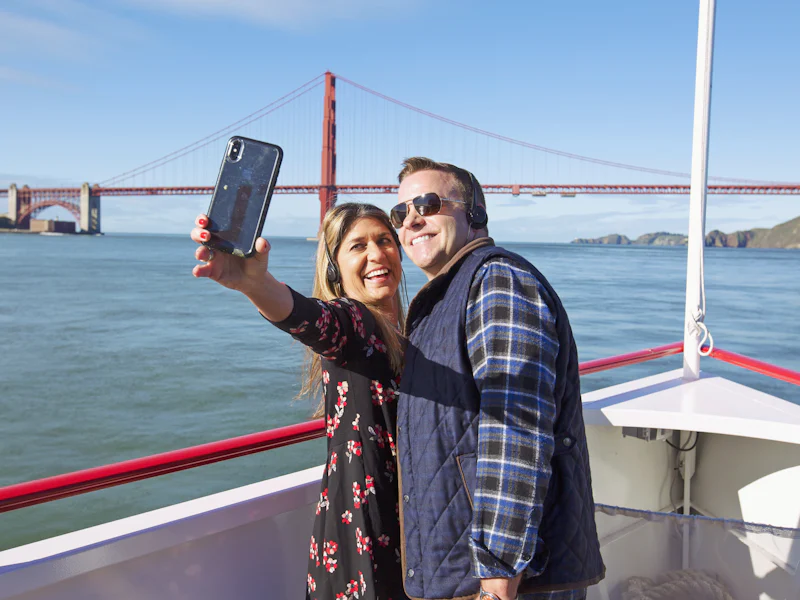
San Francisco boats run out under the Golden Gate Bridge into the coastal water where gray whales migrate in winter and humpbacks and blue whales range in summer. Farther out, the Farallon Islands, 27 miles west of the Golden Gate inside a National Marine Sanctuary, hold the richest feeding grounds, with enormous seabird colonies and sea lions, but reaching them takes a separate full-day trip. The 2.5-hour cruise we compare runs from about $75, the highest of the three cities, because it leaves the sheltered bay for open ocean swell. Our page on whale watching in San Francisco explains the difference between the two trips.
Winter belongs to the gray whale migration, summer to blue and humpback whales feeding offshore. California is one of the only coasts in the world where you can plan a whale watching trip around either season.
Most of the California tours we compare run 1.5 to 2.5 hours and follow a simple rhythm: a short safety talk at the dock, a run out past the harbor to open water, then a slow search along known migration lines or feeding grounds while the captain and a naturalist call out blows, fins and footprints. In winter, a gray whale trip often turns into a string of sightings as one whale after another passes through the corridor. In summer, a blue or humpback whale trip can mean sitting with a single feeding whale for twenty minutes as it surfaces, dives and lunges nearby. Three boat formats cover almost every tour on this coast:
Under an hour from about $15 in Los Angeles, or about 1.5 hours from about $38 in San Diego. A short, low-cost introduction that mixes harbor sights with a chance at dolphins and, in season, a passing whale. Good for a quick add-on to a city visit.
About 2.5 hours, from about $45 in Los Angeles and $75 in San Francisco. The standard format built around finding and watching gray, blue or humpback whales, with a naturalist narrating the sightings. The default choice if the whales are the whole point of the trip.
Full days of about 7 to 8 hours from San Francisco, run separately from the tours we compare. The longest run of the three formats, out to a National Marine Sanctuary with dense summer feeding and large seabird and sea lion colonies alongside the whales.
As a rule of thumb, dedicated California whale watching tours sit in a band of about $45 to $75, with harbor cruises from about $15 in Los Angeles and $38 in San Diego and the 2.5-hour San Francisco cruise anchoring the top end. The range is wide compared with many destinations, because plenty of operators compete for the same short run to the whales.
See every California tour side by side: price, city, duration and free cancellation.
See the toursStart with the season. A winter gray whale trip and a summer blue and humpback whale trip are different outings, and once you pick one, the city and the boat are easy calls.
Coastal California can look sunny and still feel cold once a boat is moving into the wind. Bring a windproof layer, closed-toe shoes and sunglasses even in summer, and add a warm layer for winter gray whale trips, when the wind chill on deck is sharper than it looks from shore.
Trips into the migration corridor or out to the Farallon Islands spend more time in open swell than a harbor cruise. If you are prone to seasickness, take a remedy before boarding, eat something light beforehand, and stay on deck watching the horizon rather than below.
Gray whales moving south or north often surface briefly and keep going, so binoculars help turn a distant blow into a clear look at the whale itself. In summer, feeding blue and humpback whales tend to stay in one area longer, giving cameras more time to work.
California's whales are protected by federal law, and sanctuary staff recommend keeping at least 100 yards from a whale by boat. The Monterey Bay National Marine Sanctuary and the Greater Farallones National Marine Sanctuary both publish responsible viewing guidelines; ask an operator whether they follow them before you book.
The eastern North Pacific gray whale rebuilt from near-extinction under commercial whaling, one of the clearest recoveries in whale conservation, and Whale and Dolphin Conservation and NOAA both track the population closely today. Each whale passing the California coast is part of that count.
Pick winter for the gray whale migration or summer for blue and humpback whales feeding offshore, choose the city that fits your trip, and book a tour with free cancellation so a change of plans costs you nothing, something worth expecting from every whale watching booking.
It depends which season you want, because California has two. January and February are ideal for the gray whale migration passing close to shore, while July through September brings blue and humpback whales feeding around Monterey Bay and the Farallon Islands. There is no true off season here; something is moving through in most months.
The three main bases are San Diego, Los Angeles and San Francisco. San Diego has the longest, most reliable season; Los Angeles offers the cheapest, shortest trips from Long Beach and San Pedro; and San Francisco runs out under the Golden Gate, with the Farallon Islands, one of the richest feeding grounds on the West Coast, reached on separate full-day trips.
Gray whales, blue whales and humpback whales are the three you are most likely to see, along with huge common dolphin super-pods. Gray whales migrate past the coast in winter and spring, while blue and humpback whales feed close to shore from summer into autumn, and the blue is the largest animal on earth.
California tours start from about $15 per person for a short harbor cruise in Los Angeles, with dedicated 2.5-hour whale watching trips running from about $45 in Los Angeles to about $75 in San Francisco. San Diego's 1.5-hour harbor and coastal cruise sits in between at about $38.
Bookings are processed through Headout, which partners with vetted local operators. Whale Watching is an independent affiliate site. We may earn a small commission if you book through a link here, at no extra cost to you.
Compare tours in California and book in minutes. Most offer free cancellation.
See tours in California


