 New
NewWhale watching tours in San Diego
NewMore in California: Los Angeles San Francisco All of California
Plan your trip
When to go & what you'll see in San Diego
Best time to go
When whales are around, month by month.
J
F
M
A
M
J
J
A
S
O
N
D
Peak seasonGoodOff-season
Sighting probability
Based on operators' peak-season sighting records.
Chance of seeing whales or dolphins in San Diego in peak season
Real sightings by month
Based on 2,707 verified sightings logged in San Diego: real records, not estimates.
Source: GBIF.org, which aggregates marine mammal observations from OBIS-SEAMAP, Happywhale & iNaturalist. Retrieved October 2026.
What you'll see
The whales and dolphins you can realistically spot here, ranked by how often they are recorded.

Common dolphinSuper-pods thousands strong.986 sightings
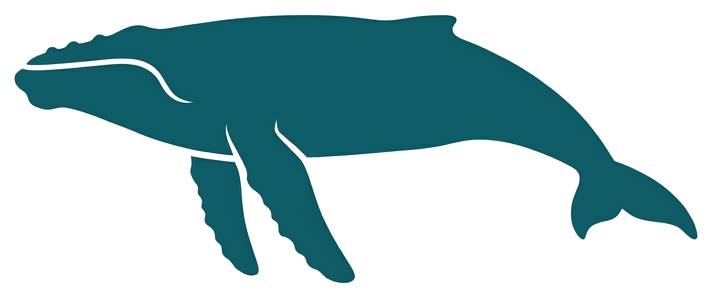
Humpback whaleFeeds close to shore from summer into autumn.593 sightings
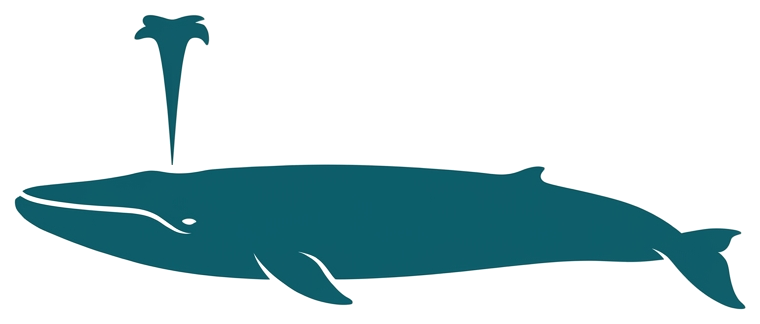
Blue whaleThe largest animal on earth, summering off California.573 sightings
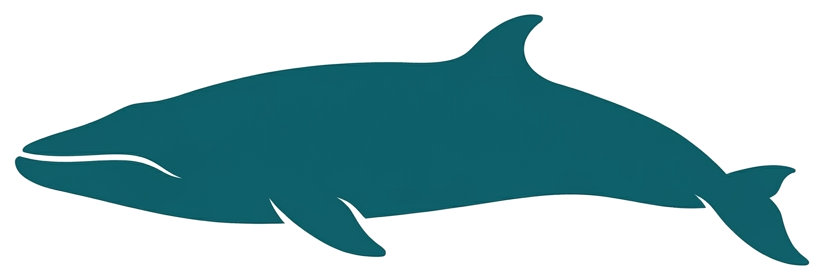
Grey whaleMigrates past the coast in winter and spring.555 sightings
San Diego whale watching: gray whales off Point Loma, blues and dolphin megapods offshore
San Diego whale watching is really two seasons wearing one city's name. From mid-December to mid-April, roughly 18,000 Pacific gray whales file past Point Loma and La Jolla on their way to and from the calving lagoons of Baja California, close enough to shore that you can watch the whole migration from a park bench. Then, roughly June through November, the gray whales are gone and the show moves offshore: blue whales, the largest animals that have ever lived, feed in the deep water beyond the kelp beds, humpbacks work the same currents, and common dolphins gather in pods that have, on more than one occasion, run into the thousands.
Both halves of the year are covered here: the gray whale migration that made Point Loma one of the first places in the country to watch whales from land, the summer species offshore, where boats leave from, what the one San Diego cruise we track costs, and how to plan around a city with something to see in almost every month. For the rest of the coast, our guide to whale watching in California lines up San Diego against Los Angeles and San Francisco.
~18,000gray whales pass San Diego each winter
2seasons: winter grays, summer blues & dolphins
~95%combined peak-season sighting rate
$38from, the one tour we compare
Best time for whale watching in San Diego
The San Diego whale watching calendar splits cleanly in two, and which half you land in changes what you are looking for. From mid-December through mid-April, the Pacific gray whale migration passes directly off the coast: whales head south to Baja California through the darker months, then swim back north with newborn calves from about February into April. Sightings from shore or boat are reliably strong through this window, and mid-January is usually the busiest point of the whole migration.
From roughly June into November, the grays have moved on to Arctic feeding grounds and San Diego's summer season takes over. Blue whales and humpback whales work the deeper water off the coast, feeding rather than migrating, so encounters tend to be more active: long surface sessions, occasional breaches, and blows you can spot from a distance. This is also when San Diego is most likely to turn up its best-known sight, a common dolphin megapod, sometimes stretching for miles and numbering in the thousands. April, May, October and November sit in between the two peaks, still worth a trip but with lower odds than the heart of either season.
The migration nobody has to guess at. Gray whales funnel past San Diego. The population follows a narrow corridor along the coast on a schedule regular enough that naturalists have staffed a lookout above Point Loma every winter since the 1950s, and NOAA Fisheries' own migration data confirms the same route and timing year after year, so timing is the easy part of planning a winter trip here.
For a season-by-season comparison against other US and international destinations, see our guide to the best time to go whale watching.
What whales you'll see in San Diego
Four species carry the San Diego whale watching season, two migratory and two that feed offshore through summer, plus the dolphin pods that can outnumber every whale on the water combined.
Gray whale
The whale San Diego is built around. Eastern North Pacific gray whales make one of the longest migrations of any mammal, and NOAA Fisheries' gray whale profile puts the round trip at roughly 10,000 miles between Arctic feeding grounds and the Baja California lagoons where calves are born. From mid-December to mid-April they pass close enough to shore that binoculars from a bluff can pick out a spout, a mottled gray back, or a fluke lifting before a dive. Adults run to around 45 feet, and northbound mothers travelling with calves in February and March tend to hug the coast even more tightly than the southbound whales did in winter.
Blue whale
The largest animal on Earth, and a summer resident off this coast. According to NOAA Fisheries, blue whales can reach around 90 to 100 feet and feed off the US West Coast through summer and fall before wintering further south, and the Southern California Bight, the stretch of coast that includes San Diego, is one of the more reliable places in the world to find them. They surface to breathe in a slow, unhurried rhythm and the blow is a column tall enough to spot well before the animal itself, but they are never a guarantee. When a boat finds one in July or August, it tends to be the story of the trip.
Humpback whale
The whale most likely to put on a show. Humpbacks reach up to about 60 feet and 40 tons, and NOAA Fisheries notes they are a favorite of whale watchers because they breach, slap their pectoral fins, and lift their tails before diving. Off San Diego they show up feeding through summer and into fall, often in the same offshore water as the blue whales, and their more energetic surface behavior makes them easier to spot at a distance than a gray whale's low, steady roll.
Common dolphin
Common dolphins are something of a San Diego specialty. Common dolphins travel in pods that are usually a few hundred strong, but San Diego waters have produced some of the largest recorded gatherings anywhere, including a widely reported 2013 encounter estimated at well over a thousand animals stretching for miles, and more recent megapod sightings numbering in the thousands drawn by dense schools of sardine and anchovy. They ride bow waves, leap clear of the surface, and can turn a quiet afternoon on the water into the loudest fifteen minutes of the trip.
Where to go: San Diego whale watching departure points
San Diego splits into a boat option and a free option, and the two rarely compete for the same trip. The one San Diego whale watching cruise we track departs from the Embarcadero in downtown San Diego, alongside the city's harbor cruises and ferries, which makes it an easy add-on to a day already spent along the waterfront.
- Best for: Boat trip, harbor views
- From $38
- Downtown Embarcadero
If you would rather watch for free and do not mind trading a guaranteed boat ride for a fixed spot on land, San Diego is unusually well set up for it. Point Loma's Cabrillo National Monument sits 400-plus feet above the water and has run organized land-based whale watching since the 1950s, with a glassed-in lookout that puts you above the gray whale migration route from December into spring. La Jolla adds two more elevated options nearby: the bluffs at Torrey Pines State Natural Reserve and the overlook by the Birch Aquarium at Scripps Institution of Oceanography, both good for the same winter migration without a boarding fee.
San Diego is one of the few places where you can watch a 45-foot gray whale go by from a park bench, no ticket required, and then book a boat for the months when the whales you want are further offshore.
What a San Diego whale watching tour is like
The tour we track, the San Diego Harbor Sightseeing Cruise, runs about 1.5 hours out of the Embarcadero and combines harbor sightseeing with a look for whales and dolphins depending on the season, so think of it as a scenic harbor cruise that may turn up whales or dolphins along the way. That makes it a good fit for a shorter add-on to a day in the city, less so if a whale sighting is the entire point of your trip and you want a boat that will chase the horizon for it.
Harbor sightseeing cruise
About 1.5 hours, from about $38, departing the Embarcadero. Combines San Diego Bay and harbor views with a seasonal look for gray whales in winter or dolphins and distant blows in summer. The easiest option to book and the shortest time commitment of the two.
Land-based lookout
Free, no booking needed. Cabrillo National Monument's Point Loma overlook and the La Jolla bluffs at Torrey Pines put you well above the water during the December to April gray whale migration, at the cost of range and the chance to get close to a sighting.
We currently track a single indexed San Diego whale watching cruise, at about $38 for roughly 90 minutes, so there is no wider price band to compare it against here the way there would be in a city with several competing operators. Treat that figure as one listing's price, and check the current listing for exact dates and availability before you plan a day around it.
Compare the San Diego tour side by side with price, duration and free cancellation.
See the toursHow to choose the right San Diego whale watching tour
With one indexed cruise and a handful of free lookouts, your choice in San Diego comes down to season and format.
- Match the season to the whale you want.Gray whales rule mid-December through mid-April, with mid-January usually the peak of the migration. Blue whales, humpbacks and the dolphin megapods take over roughly June through November. Pick your travel dates around the species, not the other way round.
- Decide between a boat and a bluff.The Embarcadero cruise gets you on the water and adds harbor sightseeing to the trip. Cabrillo National Monument and the La Jolla bluffs cost nothing and put you above the gray whale corridor, a good option if you are traveling in winter and would rather not commit to a boat.
- Book the winter migration dates early.Mid-January is the busiest stretch of the gray whale season and the best-known window for both the boat trip and the shoreline lookouts. Free cancellation on the cruise means locking in a date costs you nothing if your plans shift.
- Keep summer expectations realistic.Blue whales and humpbacks are feeding, not migrating past a fixed point, so summer sightings depend more on where the food is that week. Treat a dolphin megapod as a bonus.
- Widen the search if your dates do not line up.With one indexed San Diego cruise, a fully booked date can happen around mid-January. Whale watching in Los Angeles covers the same gray whale migration a couple of hours up the coast, with a couple more boat options to choose from.
Tips for whale watching in San Diego
Dress warmer than the city forecast
San Diego's downtown weather is deceptive. Wind off the open Pacific is cooler than the Embarcadero, and it picks up the moment a boat clears the harbor mouth. Bring a windproof layer even on a warm winter day, and add a hat if you plan to spend the whole cruise outside on deck.
Bring binoculars for the bluffs
A land-based lookout like Cabrillo National Monument rewards patience and glass more than a boat does. Binoculars turn a distant spout into a confirmed sighting, and the elevation means you can scan a much wider stretch of water than you could from a low deck.
Give whales and dolphins space
Federal law protects marine mammals in US waters, and organizations including Whale and Dolphin Conservation ask viewers, whether on a boat or on shore, never to approach, chase or feed whales and dolphins and to let the animals set the distance. A responsible operator slows down and waits.
San Diego helped invent this hobby
Recreational whale watching in the United States effectively started at Cabrillo National Monument in the 1950s, when locals began climbing the Point Loma headland each winter to watch the gray whale migration pass. The National Park Service still runs organized watches from that same overlook, now with a glassed-in observatory, every winter more than seventy years later.
Time your visit around the tide of the season
Whichever half of the year you are visiting for, arrive with the right expectation. Winter is about a predictable migration passing on schedule. Summer brings active feeding whales and a chance at a dolphin megapod. Winter and summer San Diego whale watching are two different trips, so pick the one that matches what you hope to see.
The simple recipe
Come in January for the surest gray whale sightings, or June through September for blues, humpbacks and a shot at a dolphin megapod. Choose the Embarcadero cruise if you want to be on the water, or a Point Loma or La Jolla overlook if you would rather watch for free. San Diego tends to reward showing up over careful planning, and the same goes for wherever else you watch whales.
Good to know
San Diego whale watching FAQ
January is the surest month, the busiest point of the gray whale migration, when roughly 18,000 grays pass Point Loma and La Jolla close to shore. June through September is the summer season for blue whales, humpbacks and common dolphin megapods offshore. San Diego has whales in some form nearly year-round.
For most visitors, yes. San Diego is a rare year-round destination, with a reliable gray whale migration in winter and blue whales, humpbacks and thousand-strong dolphin megapods offshore in summer. Combined peak-season sightings run around 95%, and if you would rather not board a boat, the Point Loma and La Jolla bluffs offer free land-based watching.
Either works in San Diego, since the gray whale migration and the summer feeding whales are present throughout the day. Mornings often bring calmer seas and lighter wind along this coast, which can make for a smoother, clearer trip. Choose your season and the weather over the exact time of day.
San Diego tours start from about $38 per person for a 1.5-hour harbor and coastal cruise from the Embarcadero, which looks for gray whales in winter or dolphins and distant blows in summer. It is the shortest, easiest trip to book. For free, the Point Loma and La Jolla overlooks put you above the winter migration route.
Bookings are processed through Headout, which partners with vetted local operators. Whale Watching is an independent affiliate site. We may earn a small commission if you book through a link here, at no extra cost to you.
Ready to find your whale in San Diego?
Compare tours in San Diego and book in minutes. Most offer free cancellation.
See tours in San Diego