San Francisco
San Francisco Bay Whale Watching Cruise
Free cancellation2.5 hrs
from $75
Check availabilityMore in California: San Diego Los Angeles All of California
When whales are around, month by month.
Based on operators' peak-season sighting records.
Chance of seeing whales or dolphins in San Francisco in peak season
Based on 8,141 verified sightings logged in San Francisco: real records, not estimates.
Source: GBIF.org, which aggregates marine mammal observations from OBIS-SEAMAP, Happywhale & iNaturalist. Retrieved October 2026.
The whales and dolphins you can realistically spot here, ranked by how often they are recorded.

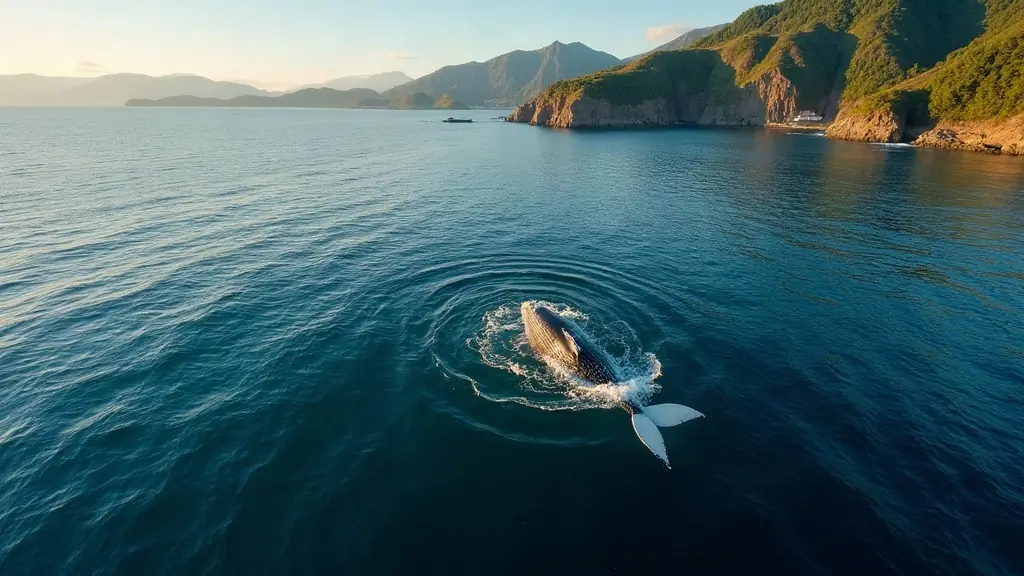
San Francisco whale watching means two very different trips depending on when you book. In winter, gray whales roll past the Golden Gate on one of the longest migrations of any mammal on earth, sometimes visible from the cliffs at Ocean Beach or Point Reyes without setting foot on a boat. In summer, the story changes completely: blue whales and humpback whales gather to feed around the Farallon Islands, 27 miles offshore, inside the nutrient-rich waters of the Greater Farallones National Marine Sanctuary. Picture standing at the rail as the city disappears behind you, the swell builds past the Golden Gate Bridge, and somewhere ahead a blue whale, the largest animal that has ever lived, surfaces long enough for its back to seem like it will never end.
We go through both seasons month by month, the four species you are most likely to see, the one San Francisco whale watching tour we currently compare, what a trip out of the city is like, and how the longer Farallones-style excursions differ from a shorter bay run. If San Francisco does not fit your dates, the wider guide to whale watching in California lines up every departure point in the state. Prices are taken from bookable tours, most with free cancellation through Headout, so you can hold a date and change your mind later.
San Francisco has two whale seasons, and they overlap at the edges. Winter into early spring, roughly December through March, is the gray whale migration: eastern North Pacific gray whales pass the coast heading south toward their calving lagoons in Baja California in December and January, then swing back north from around February into May on their way to Arctic feeding grounds, according to NOAA Fisheries. That northbound leg, which tapers into April and May as a quieter shoulder window, is when gray whales occasionally wander into San Francisco Bay itself, feeding briefly in shallow water before continuing on.
The second season runs June through September, with October and November as a fading shoulder. This is when upwelling off the coast fills the Gulf of the Farallones with krill and small fish, and blue whales and humpback whales arrive to feed, sometimes within a few miles of the islands themselves. December also counts as peak in the annual pattern here, since the earliest southbound gray whales can already be moving past the Golden Gate by then. Across the peak months, sighting rates for the season as a whole run around 95%, though a Farallones day is a different kind of trip than a winter migration watch, and the payoff looks different too: a distant blow and fluke versus a whale that may surface right next to the boat. For how San Francisco's calendar compares with the rest of the state and beyond, see our guide to the best time to go whale watching.
The Farallones drive San Francisco whale watching. The Greater Farallones National Marine Sanctuary, managed by NOAA and reachable from the city's own harbor, is a destination feeding area for endangered blue, fin and humpback whales, drawn in by one of the richest upwelling zones on the Pacific coast. It is also one of the largest seabird rookeries in the contiguous United States, so expect birds as well as whales on the way out.
Four cetaceans account for almost every San Francisco whale watching sighting, and which ones you meet depends heavily on the month.
The winter headline act, passing the coast on a round-trip migration of roughly 10,000 miles between Arctic feeding grounds and Baja California nurseries, one of the longest of any mammal according to NOAA Fisheries. Mottled gray-brown and patched with barnacles and whale lice, with no true dorsal fin, just a low hump followed by knuckles along the spine. Gray whales hug the coast closely enough that a good pair of eyes on a headland can spot one, and they occasionally turn into San Francisco Bay itself for a few days of feeding.
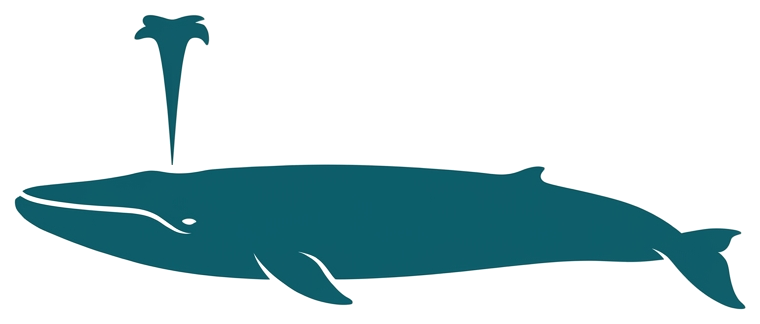
The largest animal to have ever existed, reaching up to about 100 feet and feeding almost entirely on krill. NOAA Fisheries lists the species as endangered, with eastern North Pacific blue whales spending summer feeding off the U.S. West Coast before wintering near Mexico and Central America. Around the Farallones in summer, a sighting usually starts with a blow that looks too tall to belong to any animal, followed by a back that keeps surfacing long after you expect it to end.
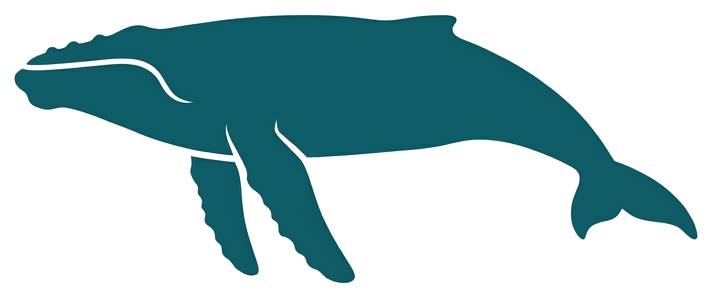
Acrobatic and often close to the surface, humpbacks feed off San Francisco from summer into autumn, breaching, tail-slapping and lunge-feeding through schools of anchovies and krill. NOAA Fisheries notes the population has rebounded strongly since the 1985 international whaling moratorium, after commercial whaling had reduced most populations by more than 95%. Their active surface behavior makes them the species most likely to give a boat full of people more than a distant blow.
Fast, social and often the first animals to reach the boat, common dolphins travel in groups that can number in the thousands, according to Whale and Dolphin Conservation, which describes mega-pods of over 10,000 individuals forming when smaller groups merge. Off San Francisco they often ride the bow wave, leaping and crossing the wake, a reliable and lively bonus even on a day when the whales are keeping their distance.
Unlike Los Angeles or San Diego, San Francisco has one main launch point for whale watching: the city's own waterfront harbors near Fisherman's Wharf and the Marina, sitting just inside San Francisco Bay. From there, boats run out through the Golden Gate strait into open Pacific water, toward the coastal corridor gray whales follow each winter and the feeding grounds where blue whales and humpbacks spend the summer.
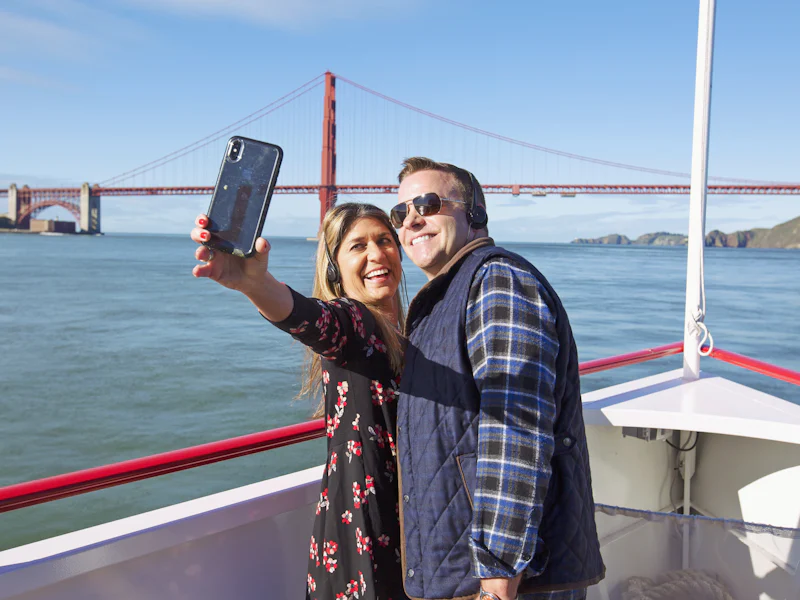
The San Francisco Bay Whale Watching Cruise is the whale watching tour we currently compare out of the city, a 2.5-hour trip from about $75 that heads out past the Golden Gate Bridge into the coastal water where gray whales pass in winter and where blue and humpback whales range within reach in summer. It costs more than the shorter harbor cruises in Los Angeles and San Diego because it goes further, out past the sheltered Bay and into open ocean swell, rather than looping a calm inner harbor. If you want to go all the way to the Farallon Islands themselves, that is a longer, separately run full-day excursion, typically around 7 to 8 hours door to door, and worth knowing about even though it is not the tour compared on this page.
San Francisco is the only California city where a whale watching trip means passing under the Golden Gate Bridge into the open Pacific.
A San Francisco whale watching trip starts calmly and gets more dramatic the further you go. The boat leaves the shelter of the Bay, a safety briefing covers the open-water conditions ahead, and then you pass beneath the Golden Gate Bridge with the city skyline behind you and the swell noticeably building. Once out past the headlands, the crew works the horizon for blows and footprints, the flat, glassy patch of water a whale leaves after diving, before running back in past the same landmarks in reverse.
2.5 hours, from about $75. The tour currently bookable out of San Francisco, covering the passage through the Golden Gate and the nearer coastal water where gray whales migrate and summer feeders sometimes range. Steadier and shorter than a full offshore run, and the more approachable choice for a first trip or a shorter visit to the city.
Typically 7 to 8 hours, covering the full 27 miles out to the Farallon Islands and back. These longer trips reach deep into the Greater Farallones National Marine Sanctuary's richest feeding grounds and its seabird colonies, but the seas past the shelter of the Bay can be rough, so they suit travelers who are comfortable on open water and have a full day free.
As a simple rule, expect the compared San Francisco tour to sit at about $75 for 2.5 hours, notably higher than Los Angeles's 2.5-hour trip at roughly $45, because the route runs further from the dock into open coastal water. If the shorter trip does not find whales, the payoff is still a working look at the Golden Gate from the water and the seabirds and sea lions that gather along the way.
Compare San Francisco tours alongside every other California departure point, price, boat and duration side by side.
See the toursWith one tour currently compared here, the decisions come down to season and trip length.
San Francisco's open coastal water, especially on a longer Farallones-style run past the Golden Gate, can be considerably rougher than a sheltered harbor cruise. Take a seasickness remedy well before departure, eat a light meal beforehand, and stay on deck with your eyes on the horizon instead of sitting below. If you are especially prone to it, the shorter bay and nearshore trip is the safer choice.
The wind off the open Pacific is cold year-round, and San Francisco's own summer fog only adds to it. Bring a windproof jacket, a hat and gloves regardless of the month, plus sunglasses for the glare off the water. Pack binoculars for any trip out past the Golden Gate, since a distant blow is hard to make out by eye.
The Greater Farallones National Marine Sanctuary's viewing guidelines call for staying at least 100 yards from whales and slowing to 10 knots or less where marine mammals are likely, both to protect the animals and to reduce the risk of a vessel strike. A responsible skipper holds position and lets the whale decide how close it comes.
The waters you are sailing through were protected as the Gulf of the Farallones National Marine Sanctuary in 1981 and later renamed the Greater Farallones National Marine Sanctuary, one of the longest-running marine protected areas on the West Coast. That decades-long protection is a large part of why the feeding grounds out past the Golden Gate still support blue and humpback whales every summer.
Pick December through March for gray whales or June through September for blue and humpback whales, decide honestly whether you want the shorter bay cruise or a full day out to the Farallones, dress warmer than the forecast suggests, and book with free cancellation so a rough weather day does not cost you anything, the same safeguard worth building into every whale watching itinerary.
San Francisco has two seasons. December through March is the gray whale migration past the Golden Gate, and June through September brings blue and humpback whales feeding around the Farallon Islands, 27 miles offshore. Peak-season sightings run around 95%, though a Farallones day is a rougher, longer trip than a winter migration watch.
Yes. Boats leave from the city waterfront harbors and head out through the Golden Gate into open water, where gray whales pass in winter and blue and humpback whales feed in summer. Gray whales can sometimes be seen from shore too, from the cliffs at Ocean Beach or Point Reyes, without boarding a boat.
Both are excellent Northern California options. San Francisco gives you the passage out through the Golden Gate and the Farallon Islands feeding grounds, with gray whales in winter and blue and humpback whales in summer. Monterey, about two hours south, is known for whales feeding close to shore over its deep bay, so many visitors do both.
The main San Francisco cruise runs from about $75 per person for a 2.5-hour trip out past the Golden Gate. It costs more than the harbor cruises in Los Angeles or San Diego because it goes further, out past the sheltered harbor into open ocean swell. A full-day Farallon Islands expedition is a longer, separate trip.
Bookings are processed through Headout, which partners with vetted local operators. Whale Watching is an independent affiliate site. We may earn a small commission if you book through a link here, at no extra cost to you.
Compare tours in San Francisco and book in minutes. Most offer free cancellation.
See tours in San Francisco