 Bestseller
Whale watching tours in Kaikoura
Bestseller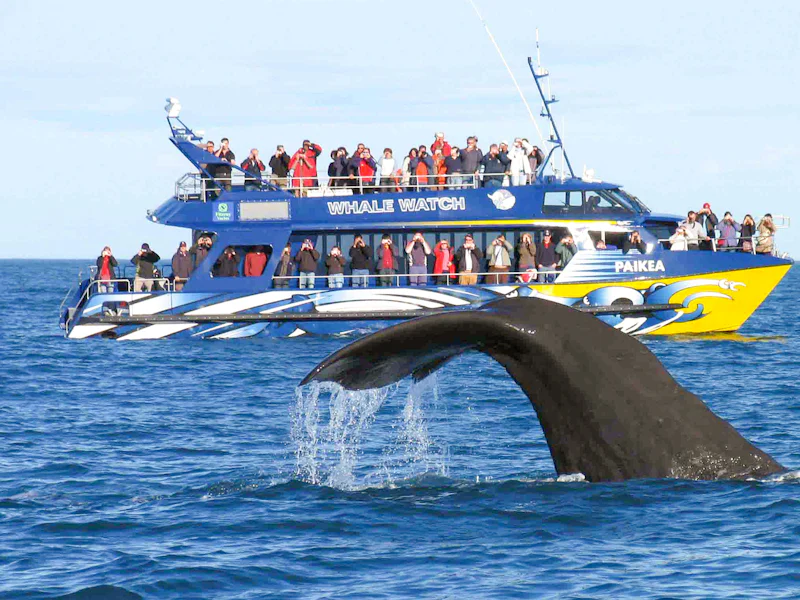
Kaikoura
Christchurch To Kaikoura Whale Watch Day Trip With Round Trip Transfers
Free cancellation10 hrs
from $217
Check availability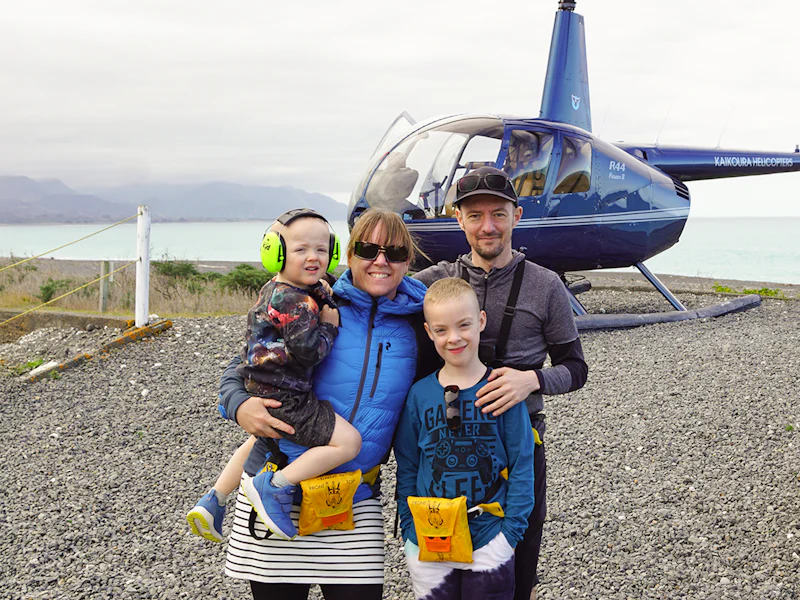
Kaikoura
30 Minute Classic Whale Watch Flight From Kaikoura
Free cancellation1 hrs
from $247
Check availability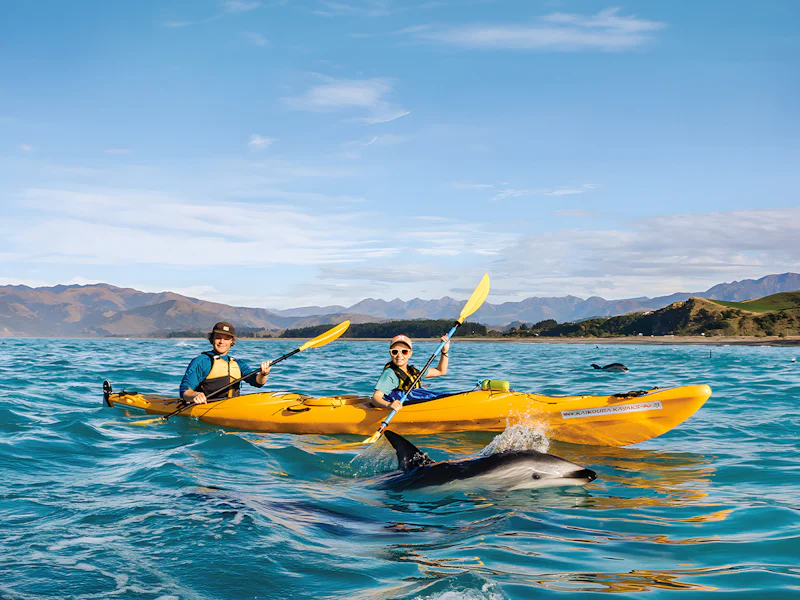
Kaikoura
Tickets To Guided Wildlife Kayaking Experience In Kaikoura
Free cancellation3 hrs
from $97
Check availability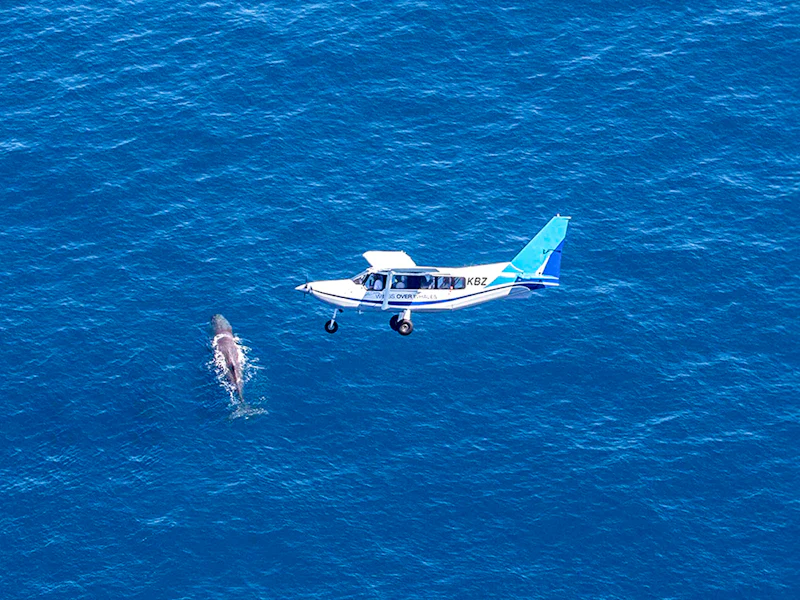
Kaikoura
Kaikoura Whale Watching Seaplane Flight Experience
Free cancellation0.8 hr
from $147
Check availabilityMore in New Zealand: Auckland All of New Zealand
Plan your trip
When to go & what you'll see in Kaikoura
Best time to go
When whales are around, month by month.
J
F
M
A
M
J
J
A
S
O
N
D
Peak seasonGoodOff-season
Sighting probability
Based on operators' peak-season sighting records.
Chance of seeing whales or dolphins in Kaikoura in peak season
Chance of seeing both whales and dolphins
Real sightings by month
Based on 1,063 verified sightings logged in Kaikoura: real records, not estimates.
Source: GBIF.org, which aggregates marine mammal observations from OBIS-SEAMAP, Happywhale & iNaturalist. Retrieved October 2026.
What you'll see
The whales and dolphins you can realistically spot here, ranked by how often they are recorded.
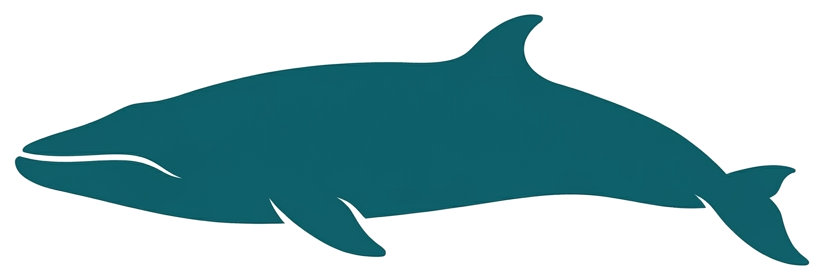
Sperm whaleResident off Kaikoura all year.610 sightings
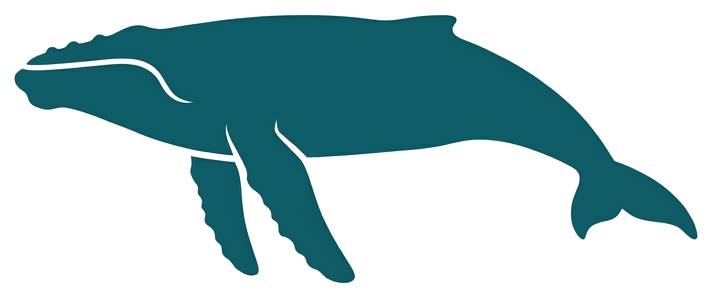
Humpback whalePasses through June and July.262 sightings

Dusky dolphinHuge, acrobatic pods, close to guaranteed on any trip.113 sightings
OrcaSeen year-round hunting rays and dolphins.78 sightings
Kaikoura whale watching: a fishing town wedged between mountains and a canyon
Kaikoura whale watching works because of a piece of local geology found nowhere else in New Zealand: the seabed off the peninsula drops into the Kaikoura Canyon, plunging past 1,000 meters within sight of the beach, while the Seaward Kaikoura Range rises almost as steeply on the opposite side of town. That squeeze between mountain and trench pushes cold, nutrient-dense water toward the surface all year, keeping squid, and the sperm whales that hunt them hundreds of meters down, resident here. Picture leaving South Bay at first light, the water holding its morning calm, the skipper cutting the engine over a spot the hydrophone just confirmed, and a rounded gray head lifting clear of the swell minutes later, close enough to hear the blow.
This page stays local: the town's own calendar, the four animals worth knowing before you book, where South Bay and the airstrip sit on the peninsula, what a morning on the water or in the air involves, and how Kaikoura compares with the rest of the country covered on our guide to whale watching in New Zealand. Most of the bookable listings quoted come with free cancellation.
~95%peak-season sighting rate
1,000m+canyon depth minutes offshore
4resident & seasonal species
$97+Kaikoura tours compared
Best time for whale watching in Kaikoura
Locals will tell you first that Kaikoura has no off season. The resident whales feed on canyon squid rather than following a migration, so the sighting rate holds close to 95% every month our data tracks, and the whole calendar rates as peak. What shifts through the year is sea state and the company the whales keep. Late autumn, roughly April into May, brings the biggest dusky dolphin gatherings off the peninsula, pods that can swell into the thousands. A short window in June and July adds migrating humpbacks, and an occasional pod of orca works the shallows near Point Kean at any time of year, with no pattern to when.
Locally, wind and swell matter more than the calendar month. The open coast catches whatever the Pacific throws at it, so operators favor morning departures before the afternoon nor'wester picks up. A flat, glassy morning in what would be the off season elsewhere can out-fish a rough January afternoon here. For how Kaikoura's year-round pattern compares with places that have a distinct off season, see our best time to go whale watching guide.
Timed to the dive cycle. A Kaikoura sperm whale typically spends about 45 minutes down and roughly 9 minutes recovering at the surface between dives, matching what researchers have recorded of the species worldwide. Skippers plan a trip around that rhythm: once the hydrophone confirms a whale has just sounded, the boat has a window to reach open water and wait near where it should reappear, instead of searching blind.
What whales you'll see in Kaikoura
Four animals anchor a typical trip, and each behaves a little differently around this stretch of canyon and coastline.
Sperm whale
The animal the whole town is built around. Individual whales here have been tracked by fluke markings since the late 1980s, and one of the best known, a big male crews call Tiaki, turns up often enough that regular skippers recognize him on sight. Researchers have logged a long decline in males using the canyon, from roughly 90 in the early 1990s to around 40 by the late 2010s, but the resident pattern has held: a whale surfaces, blows repeatedly, then lifts its tail and disappears for the better part of an hour before surfacing again close by.
Dusky dolphin
Kaikoura's dusky dolphins are the reason a trip here almost always turns into more than a whale watch. Pods regularly run into the hundreds off the peninsula, and by late autumn gatherings can swell large enough to make the water look like it is boiling with backs and fins. They surf the bow wave and cartwheel clear of the surface unprompted, often what a skipper repositions the boat toward while waiting on the hydrophone.
Humpback whale
Humpbacks pass through. A six- to eight-week window in June and July, as animals move north from Antarctic feeding grounds toward warmer breeding water, is when Kaikoura boats add them to the sightings sheet. They are less predictable than the resident sperm whales, but a humpback breaching or tail-slapping close to the peninsula is a show none of the deep-diving residents ever put on.
Orca
No schedule and no guarantee, but orca pass the coast in most months, sometimes working the shallows near Point Kean where the fur seal colony hauls out, other times cruising further offshore. Sightings spread across local operators within minutes, since a pod near the peninsula is rare enough that boats already out will often reposition to catch one before it moves on.
Where Kaikoura's whale watching boats and planes leave from
Everything sits within a few minutes of the town center, on a peninsula small enough to walk end to end, but boats and aircraft leave from two different spots.
South Bay
- Best for: Sperm whales, dolphins, seals
- From $97
- Boat & kayak departures
South Bay, a couple of minutes' drive south of the town center behind the peninsula's southern point, is home to the whale watching fleet, the visitor centre where trips check in, and the kayak launch. Boats reach open canyon water in well under half an hour, short enough that a hydrophone fix taken at the dock is often still useful on arrival. The same coast, walkable along the Peninsula Walkway past Point Kean, holds the fur seal colony and some of the best land-based albatross watching in the country, worth an hour either side of a boat trip.
Kaikoura Airport
- Best for: Aerial views
- From $147
- Fixed-wing & seaplane flights
A short drive north of town, at the foot of the Seaward Kaikoura Range's coastal hills, the airport bases the fixed-wing whale watch flights and the seaplane, which takes off from the water instead of a runway. From a few hundred meters up, a sperm whale's full length shows as a pale shape holding station beneath the surface, something no boat deck reveals, and neither flight is affected by swell.
Getting to Kaikoura is part of the trip: State Highway 1 runs about 190 kilometers up the coast from Christchurch, a drive of a little over two hours with the Seaward Kaikoura Range on one side and cliffs on the other. The Coastal Pacific train covers the same route in around three, and was among the last sections rebuilt after the 2016 earthquake buried long stretches of road and rail in landslides, cutting the town off from the south for over a year. A trip crossing north to Auckland runs on a different pattern, covered in our guide to whale watching in Auckland.
Kaikoura is small enough to walk from a fur seal colony to a whale watching dock in twenty minutes, with mountains on one side and a 1,000-meter drop-off on the other.
What a Kaikoura whale watching tour involves
Most trips out of South Bay run to a rhythm set by the whale. After a safety briefing, the boat heads toward the last confirmed dive position while the crew monitors the hydrophone, and once a whale is expected up, the skipper cuts the engine and waits, sometimes ten or fifteen minutes of nothing but swell and gulls before a blow breaks nearby. Morning sailings are the local favorite, since the coast tends to be calmer before the afternoon nor'wester picks up. Flights trade that waiting game for speed, and kayak trips skip the open-water search for sheltered water close to South Bay.
Boat cruise from South Bay
3.3 hours, from about $103, rated 4.7 from 138 reviews, the deepest review history on this coast. A stable catamaran, a hydrophone-led search, and the best odds of a close sperm whale, with dolphins, seals and seabirds filling the gaps.
Fixed-wing whale watch flight
About an hour door to door for a 30-minute flight, from around $247, rated 5 from 5 reviews. Climbs above the canyon for an aerial view of a whale's silhouette, unaffected by swell.
Whale watch seaplane
Roughly 48 minutes, from about $147, rated 3.8 from 5 reviews. Takes off from the water for a lower, slower pass over the canyon.
Guided wildlife kayaking
3 hours from South Bay, from about $97, rated 4.6 from 5 reviews. Paddling distance from fur seals and, with luck, dolphins, the cheapest and calmest option, though not built for finding a sperm whale.
Day trip with Christchurch transfers
About 10 hours door to door, from around $217, rated 3.9 from 18 reviews. Bundles the coastal drive and back into one booking, at a premium over driving yourself.
Anchor your budget around the $97 to $147 band covering kayaking, the boat cruise and the seaplane; the Christchurch transfer and the fixed-wing flight sit further out, at $217 and $247. Most listings keep free cancellation attached, so reserving a morning slot costs nothing if the forecast turns.
Compare every Kaikoura tour side by side: price, boat, duration and free cancellation.
See the toursHow to choose the right Kaikoura whale watching tour
With sightings running high every month, what you need to settle is format, timing within the day, and how you are getting to town.
- Book the earliest sailing you can.Morning trips out of South Bay generally beat afternoon ones for sea state, meaning a smoother ride and easier spotting.
- Decide how much open water you want.The boat cruise is the classic encounter; the flight or seaplane covers the canyon from the air in under an hour if you are pressed for time or seasick-prone; the kayak stays close to shore for seals and dolphins instead.
- Sort your Christchurch logistics first.Driving the coast road yourself keeps costs down; the round-trip transfer day tour costs more but removes the need for a rental car.
- Weigh the review counts alongside the rating.138 reviews back the boat cruise's 4.7 score, while the newer flight, seaplane and kayak listings are still running on a handful each.
- Reserve ahead for New Zealand's summer.December through February is the country's own peak travel season, and Kaikoura's small fleet and limited flight seats sell out fast. Free cancellation on most listings makes an early booking low-risk.
Tips for whale watching in Kaikoura
Dress for an exposed coast
The water off Kaikoura has no islands or fjord walls to soften the wind, so a boat deck feels colder and wetter than land forecasts suggest, even in summer. Bring a windproof layer, something warm underneath, and sunglasses for the glare. A flight or seaplane needs warm layers too, since neither cabin is heavily heated.
Take the swell seriously
Open ocean swell reaches Kaikoura unbroken, and it catches out more first-timers here than a sheltered bay would. Take a remedy well ahead of boarding, eat lightly beforehand, and watch the horizon rather than the cabin. Booking a morning sailing, when the water is usually calmest, helps more than any tablet.
Bring binoculars, not just a camera
A whale's blow is usually the first sign anyone gets, a low puff on the horizon before a back or fluke appears, and binoculars turn that into a clear view. The same pair earns its keep on the Peninsula Walkway, where wandering albatross and other seabirds work the coast near the fur seal colony at Point Kean.
Book a permitted operator
Every Kaikoura whale watching, dolphin and seal viewing business needs a marine mammal permit from the Department of Conservation, which sets how close a boat can approach and how many vessels can work an animal at once. Choosing a permitted operator means the boat you board follows those limits.
A town that bet on its whales
Kaikoura's whale watching business began in 1987, when the local Ngati Kuri hapu of Ngai Tahu, facing a town in economic decline, borrowed against very little to launch the boats now known as Whale Watch Kaikoura. Decades of fluke photographs from those boats have let researchers track individual whales by name, including the long-running male crews call Tiaki.
The simple recipe
Book a morning sailing if the forecast allows it, pick the boat for the full experience or the flight if your stomach says otherwise, and add the kayak or the Peninsula Walkway if you have a spare hour for seals and seabirds. The canyon keeps the whales here every month of the year.
Good to know
Kaikoura whale watching FAQ
Yes. Kaikoura is one of the only places on Earth where resident sperm whales can be seen this close to shore, thanks to a submarine canyon that reaches almost to the coast, and sightings run around 95% in every month of the year. Dusky dolphins, fur seals and seabirds fill the gaps, so timing matters far less than which format you pick.
Any time of year. Kaikoura's sperm whales are residents rather than migrants, so sightings run around 95% every month and all twelve rate as peak season. Dusky dolphins form their biggest pods in April and May, humpbacks pass in June and July, and December to February brings the calmest seas and busiest boats.
On the water, over the Kaikoura Canyon a short boat ride offshore, where the resident sperm whales hunt squid. Boat cruises and kayaks leave from the South Bay harbour just south of town, while scenic flights depart Kaikoura Airport to the north. There is no reliable land-based whale watching, as the canyon lies too far out.
Kaikoura tours start from about $97 per person, with most falling between $103 and $217 depending on the format. Guided kayaking is the cheapest at about $97, the classic boat cruise runs $103, and scenic flights reach $247, while a Christchurch day trip with transfers is about $217. The boat cruise carries the largest review record, worth weighing alongside price.
Bookings are processed through Headout, which partners with vetted Kaikoura operators. Whale Watching is an independent affiliate site. We may earn a small commission if you book through a link here, at no extra cost to you.
Ready to find your whale in Kaikoura?
Compare tours in Kaikoura and book in minutes. Most offer free cancellation.
See tours in Kaikoura