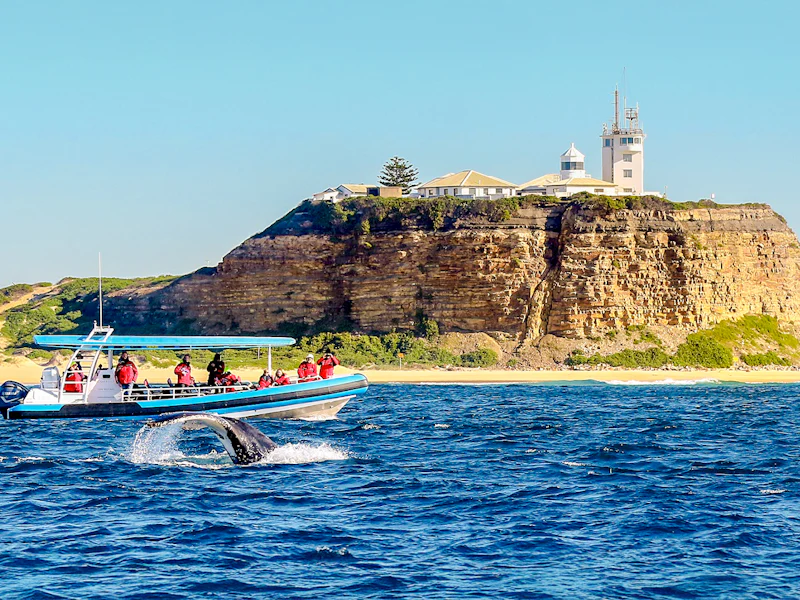
Whale watching tours in Newcastle
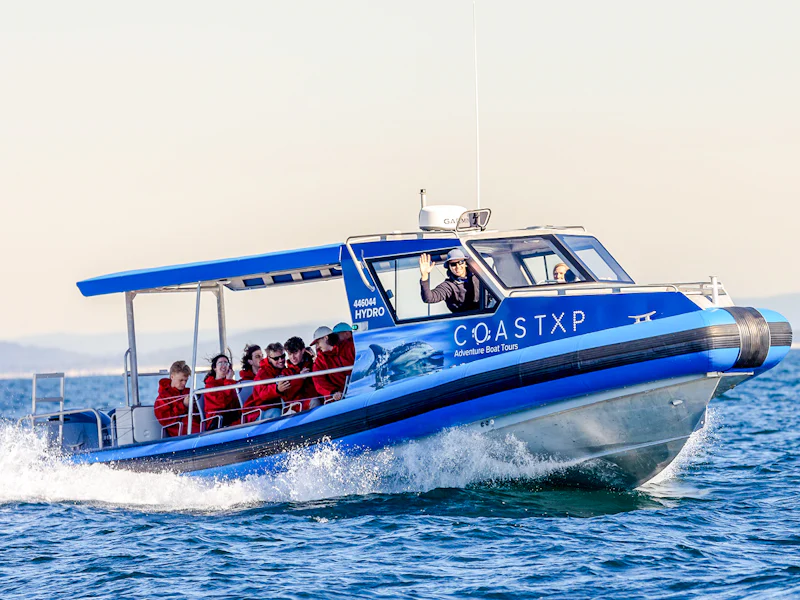
Newcastle
Lake Macquarie Whale Watching Eco Cruise
Free cancellation2 hrs
from $97
Check availabilityMore in Australia: Sydney Gold Coast Perth Brisbane Cairns Hervey Bay All of Australia
Plan your trip
When to go & what you'll see in Newcastle
Best time to go
When whales are around, month by month.
J
F
M
A
M
J
J
A
S
O
N
D
Peak seasonGoodOff-season
Sighting probability
Based on operators' peak-season sighting records.
Chance of seeing whales or dolphins in Newcastle in peak season
Real sightings by month
Based on 1,737 verified sightings logged in Newcastle: real records, not estimates.
Source: GBIF.org, which aggregates marine mammal observations from OBIS-SEAMAP, Happywhale & iNaturalist. Retrieved October 2026.
What you'll see
The whales and dolphins you can realistically spot here, ranked by how often they are recorded.

Humpback whaleTens of thousands migrate along the coast each winter.1,689 sightings

Common dolphinRegular company on most cruises.40 sightings
Southern right whaleComes close to shore to calve in spring.8 sightings
Newcastle whale watching: humpbacks passing close enough to hear
Newcastle whale watching puts you on one of the busiest marine migration routes on the planet, a short run from the harbor mouth. Every winter, tens of thousands of humpback whales move north along the New South Wales coast toward warmer breeding grounds, then swim the same route home again in spring with new calves in tow. Locals call it the humpback highway, and Newcastle, a couple of hours north of Sydney, sits right on it. Picture a 2-hour cruise out of the harbor mouth, the breakwater and lighthouse falling away behind you, and within minutes a dark back arching through the swell close enough that you can hear the blow before you see it.
Here you will find the months when Newcastle whale watching peaks, the three species you are most likely to meet, where the boats leave from and where you can watch for free from the cliffs, what the two Newcastle tours cost and include, and how to pick between them. Prices are snapshots of the tours we compare. Both are bookable through Headout with free cancellation, so you can hold a peak-weekend date and still back out later.
~96%peak-season sighting rate
Jun-Jul & Octpeak whale watching months
2real tours compared
$97from, for a 2-hour cruise
Best time for whale watching in Newcastle
Newcastle whale watching runs broadly from May to November, and within that window three months stand out. June and July catch the front of the northbound migration, when the largest numbers of humpbacks are pushing up the coast toward Queensland, and October catches the return leg, when mothers travel south again with calves that are now strong enough to keep pace. In those peak months sighting rates sit at around 96%, which is about as close to a sure thing as wildlife watching gets.
May, August, September and November are the shoulder months. Whales are still moving through in good numbers, boats still find them reliably, but the crowds and the peak-weekend booking rush both ease off. December through April is the off season for whale watching tours here; the migration has passed and operators largely stand down until the following autumn. If you are weighing Newcastle against other timing options along the coast, our guide to the best time to go whale watching breaks the whole season down month by month.
The highway effect. Newcastle sits directly on the migration corridor instead of on a sheltered bay, so whales pass close to the coast in large numbers on their way through without stopping to feed in one spot. That is why a short 2-hour cruise here posts sighting rates on par with much longer trips elsewhere, and why the cliffs make a proper whale watching vantage point.
What whales you'll see in Newcastle
Three species account for almost everything you will encounter on a Newcastle whale watching trip, from the headline act of the humpback migration to the dolphins that ride the bow wave on the way out.
Humpback whale
The whale the whole season is built around. Tens of thousands migrate along this stretch of coast each winter, heading north from May and returning south through October and November, which is why Newcastle's peak months bracket both legs of the journey. Adults reach up to about 60 feet and are known for breaching clear of the water, slapping their long pectoral fins and lifting their tail flukes before a dive. According to NOAA Fisheries, humpbacks undertake one of the longest migrations of any mammal, and populations cut down by commercial whaling, protected in the Southern Hemisphere since 1963, are now increasing across much of their range, which is a large part of why sightings off Newcastle have become so reliable.
Southern right whale
A less frequent but memorable sighting, most likely between June and September. Southern right whales come close to shore to calve, and unlike the fast-moving humpback pods, they tend to sit still on the surface, making them easier for a small boat, or a clifftop lookout, to watch for extended periods. According to Whale and Dolphin Conservation, females typically calve every three years and calves stay close to their mothers through the first year, doubling in length as they learn the migratory route their mother is teaching them. The dedicated southern right destinations are bays along southern Australia, but a winter cruise here has an outside chance of one.
Common dolphin
Regular company on most Newcastle whale watching cruises, whatever the whale count for the day. Common dolphins travel in pods that can run from a handful of animals to several hundred, and they are drawn to a moving boat's bow wave, often riding it for minutes at a stretch in tight, fast groups. For many first-time visitors they end up being the most photogenic part of the trip, because they stay so close to the surface and the hull. Guides on both Newcastle operators watch for dolphin activity as a sign that bigger marine wildlife may not be far off.
Where to go: Newcastle whale watching departure points
Newcastle whale watching tours leave from Newcastle Harbour, at the mouth of the Hunter River, which puts boats in open water within minutes of casting off. A short distance south, tours also run from Lake Macquarie, Australia's largest coastal saltwater lake, giving a second departure option along the same stretch of coast if the Newcastle sailing does not suit your dates.
- Best for: Humpbacks & dolphins
- From $97
- 2-hour cruise
If you would rather watch for free, Newcastle is one of the better land-based whale watching towns on the east coast. Strzelecki Lookout, on the Bathers Way above Bar Beach, and Nobbys Head, at the harbor entrance, both give an elevated, open view straight out over the migration corridor, and locals treat both as reliable spots to scan for blows on a clear winter morning. The NSW National Parks and Wildlife Service runs its own ranger-guided whale watching mornings nearby at Glenrock State Conservation Area. A land-based lookout will not get you as close as a boat, and you trade a guide's trained eye for your own patience, but it costs nothing and works well as a first taste before you commit to a cruise, or as the option if the boats are booked out on your dates.
Just south down the coast, whale watching in Sydney sits on the same migration route with a much larger fleet of tours to choose from, worth a look if your travel dates do not line up with the Newcastle sailings. Both towns are part of the same whale watching in Australia season, so a sighting on one is a good sign for the other.
Newcastle sits right on the humpback highway, so whales pass within sight of the cliffs above the harbor.
What a Newcastle whale watching tour is like
Both Newcastle whale watching tours follow the same rhythm and run to a similar price, which makes the choice mostly about which harbor suits your day. You board, get a short safety briefing, and head out to open water while the crew scans the horizon for blows, dorsal fins and the flat, glassy patch a whale leaves on the surface after it dives. Once whales are found, the boat sits off at a respectful distance and lets the encounter run its course, whether that is a few surfacing breaths or a longer session of breaching and tail slapping. At 2 hours, either trip fits around the rest of a day out.
Newcastle Harbour eco cruise
2 hours, from about $97, rated 5.0 from 58 reviews. Departs Newcastle Harbour at the mouth of the Hunter River, the shortest run out to open water of the two options.
Lake Macquarie eco cruise
2 hours, from about $97, rated 5.0 from 52 reviews. Departs from Lake Macquarie just south of Newcastle, a straightforward alternative if it fits your dates or your base better.
Both operators market their trips as eco cruises, both currently carry a perfect rating across a solid run of reviews, and both charge the same, so the choice comes down to which harbor is closer to where you are staying and which departure time works with the rest of your day.
Put the two Newcastle tours next to each other: price, duration and free cancellation.
See the toursHow to choose the right Newcastle whale watching tour
With only two operators to weigh, the decision is smaller than in bigger whale watching towns, but it still pays to get right.
- Pick the harbor nearest your base.Staying in central Newcastle, book the Newcastle Harbour cruise. Based further south around the lake, the Lake Macquarie sailing saves you a drive either way.
- Book peak weeks early.June, July and October are when Newcastle whale watching sighting rates are highest, and weekend departures in those windows fill first. Most listings let you cancel free, so there is little reason to wait and risk missing a date.
- Add a lookout either side of your cruise.Strzelecki Lookout or Nobbys Head cost nothing and take twenty minutes. Scanning from the cliffs before or after your boat trip gives you a second chance at a sighting on the same day.
- Check the ratings too.Both Newcastle operators currently sit at a perfect 5.0 across dozens of reviews, a strong signal in a category where plenty of tours run at 4.5 or lower.
Tips for whale watching in Newcastle
Dress for wind, not just weather
Winter mornings on open water off Newcastle are colder than the forecast suggests, especially once the boat is moving. A windproof layer, a hat and something for your hands make a bigger difference than a heavier coat. If you plan to stand at the rail for the whole trip, dress as if you were staying out on the clifftop lookouts instead.
Bring binoculars either way
Whether you are on the boat or watching from Strzelecki Lookout or Nobbys Head, the first sign of a whale is almost always a distant blow rather than a full breach. Binoculars turn that faint puff of spray into a clear, confirmed sighting, and they are just as useful on the cliffs as they are at the rail.
Try the free lookouts first
Land-based viewing here is better than in most whale watching towns. Strzelecki Lookout, on the clifftop Bathers Way walk above Bar Beach, and Nobbys Head, right at the harbor mouth, both look straight out over the migration route and cost nothing to visit. Locals check them on a clear winter morning before deciding whether the day is worth a boat trip.
Give the whales room
Australian operators follow national and state guidelines that set minimum approach distances and ask boats to let whales set the pace. Whale and Dolphin Conservation and other marine authorities note that calving females with young calves are especially sensitive to disturbance, which matters most in the October return migration when mothers and calves are common off Newcastle.
Back from near collapse
The humpbacks passing Newcastle each year are part of a population that was hunted close to collapse before whaling ended, then recovered steadily once it stopped. NOAA Fisheries records the eastern Australian humpback population as increasing, which is the reason a two-hour local cruise can now post peak-month sighting rates of around 96% in a season that, within living memory, saw far fewer whales at all.
The simple recipe
Come between May and November if you can, aim for June, July or October for the best odds, pick whichever harbor is closer to your base, and add a free lookout stop at Strzelecki or Nobbys either side of your cruise. Between the boat and the cliffs, Newcastle whale watching gives you two shots at the same migration, and a reminder that the world of whale watching does not always require a long-haul flight to enjoy.
Good to know
Newcastle whale watching FAQ
The Newcastle season runs from May to November, with June, July and October the peak. Humpbacks head north from May and return south through October and November, so the best months bracket both legs of the migration. December through April is the off season, when the migration has passed.
Very reliable in peak season, at about 96% of trips, which is why the two eco cruises here both carry perfect ratings. Boats leave Newcastle Harbour and Lake Macquarie and reach open water within minutes. You can also scan for free from Strzelecki Lookout or Nobbys Head, two good land-based spots over the migration route.
Both Newcastle tours run from about $97 per person for a 2-hour eco cruise, one from Newcastle Harbour and one from Lake Macquarie, and both carry a perfect 5.0 rating. Price is not the differentiator here, so choose whichever harbor is closer to your base and whichever departure time fits your day.
Bookings are processed through Headout, which partners with vetted Newcastle operators. Whale Watching is an independent affiliate site. We may earn a small commission if you book through a link here, at no extra cost to you.
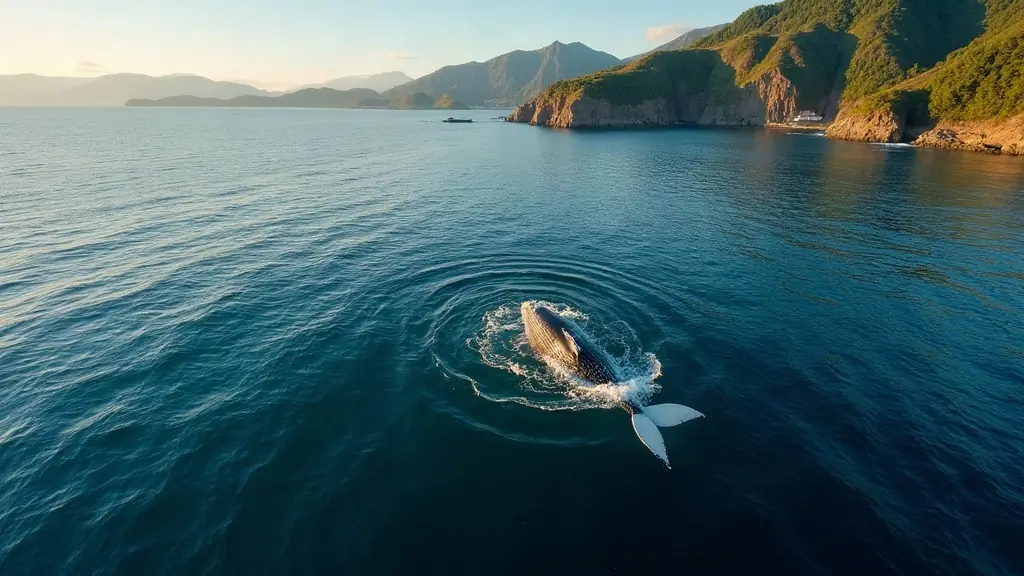
Ready to find your whale in Newcastle?
Compare tours in Newcastle and book in minutes. Most offer free cancellation.
See tours in Newcastle